



Pakistan is home to several cities whose histories stretch back thousands of years. Some developed around ancient trade routes, while others grew as political, religious and cultural centres. Although archaeological evidence does not always prove uninterrupted occupation of a modern city from its earliest settlement, several present-day Pakistani cities have long histories of habitation and urban development.
Multan
Multan is widely regarded as one of the oldest cities in Pakistan. Archaeological evidence from the wider Multan region includes sites dating to the Early Harappan period, around 3000–2800 BCE. A regional development report describes Multan as one of Asia’s oldest continuously inhabited cities and notes evidence of occupation in the area dating back at least 3,000 years.
Multan also has a well-documented historical record. Alexander the Great conquered the city around 326 BCE, and the Chinese Buddhist pilgrim Xuanzang visited it in 641 CE. Over subsequent centuries, Multan came under Arab, Turkic, Mughal, Afghan, Sikh and British rule. Its many historic shrines and tombs reflect its importance as a centre of Islamic scholarship and Sufism.
Peshawar
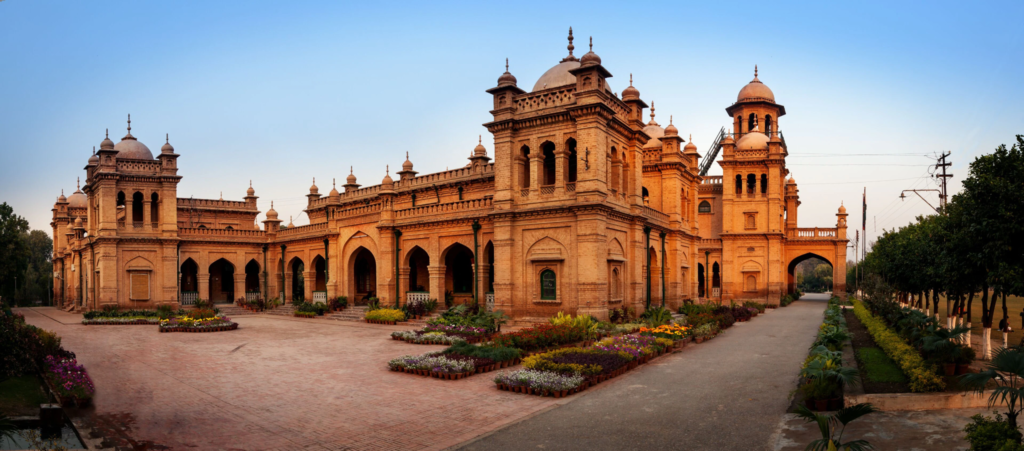
Peshawar has a documented history extending back roughly 2,400–2,500 years. Archaeological excavations at Gor Khatri in the historic centre have uncovered multiple layers representing different periods of the city’s development. Pakistan’s Archaeology and Museums Department has described Peshawar as one of the earliest living cities in the region, with occupation dating to approximately the 4th–6th centuries BCE.
The city was associated with the Gandhara region and later became known as Purushapura during the Kushan period. Its location near the Khyber Pass helped make it an important route between Central Asia and the Indian subcontinent. Peshawar subsequently came under the influence or rule of numerous powers, including the Achaemenids, Mauryans, Greeks, Kushans, Mughals, Durranis, Sikhs and British.
Charsadda
Charsadda occupies an area associated with ancient Pushkalavati, one of the major cities of Gandhara. The Bala Hisar archaeological mound has evidence of occupation beginning in the 6th century BCE. Archaeological excavations uncovered 52 cultural layers extending from the 6th century BCE to the Muslim period.
Pushkalavati was an important Gandharan capital and was encountered by Alexander the Great’s forces in 327 BCE. The modern town of Charsadda continues to exist near the archaeological remains of the ancient city, making the area an important link between modern Pakistan and the ancient Gandharan world.
Sialkot
Sialkot is another Pakistani city with an ancient past. It is traditionally identified with ancient Sagala, a city associated with the northwestern part of the Indian subcontinent. Historical sources connect the area with Alexander the Great’s campaign in 326 BCE. The modern city has continued to develop as an important urban and commercial centre in Punjab.
Lahore
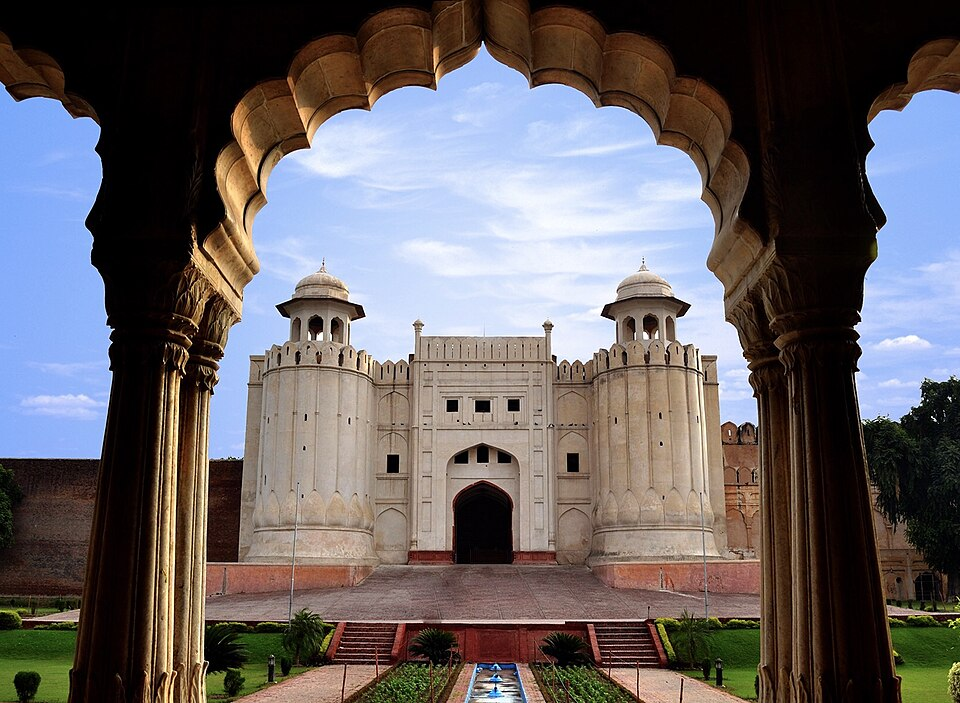
Lahore is younger than Multan, Peshawar and the ancient settlements of the Gandhara region, but it still has a history spanning more than a millennium. Punjab government sources trace Lahore’s origins to the early centuries CE, while the city’s documented historical prominence grew substantially during the medieval period. Lahore became particularly important under the Ghaznavids and later reached major political and cultural prominence under the Mughal Empire.
Today, these cities demonstrate how urban life in Pakistan has developed across thousands of years. Their archaeological remains, historic neighbourhoods, monuments and continuing populations provide evidence of the country’s long and diverse history.


