Intermittent fasting has become one of the most popular eating patterns in the world. Here is a clear, balanced look at how it works, what it may offer, and what to keep in mind.
Intermittent fasting has grown into one of the most widely discussed approaches to eating, embraced by people looking to manage their weight, simplify their routines, or support their overall health. Unlike most diets, it pays little attention to what you eat and focuses instead on when you eat, cycling between periods of eating and fasting.
Its appeal lies in its simplicity. There are no complicated food lists or calorie charts to memorize, just a structure that shapes the timing of meals. Still, like any approach to eating, it is not right for everyone, and understanding both its potential and its limits is the best way to decide whether it suits you.
Here is a clear and balanced guide to how intermittent fasting works, what it may offer, and the considerations worth keeping in mind before beginning.
How Intermittent Fasting Works and Common Methods
At its core, intermittent fasting is an eating pattern that alternates between set periods of eating and fasting. It does not prescribe specific foods but instead structures the hours in which you eat. During fasting periods, calorie-free drinks such as water, black coffee, and unsweetened tea are generally permitted, while eating is limited to defined windows. The underlying idea is that giving the body extended breaks from food may support a range of natural processes.

There are several ways to practice it, and different methods suit different lifestyles:
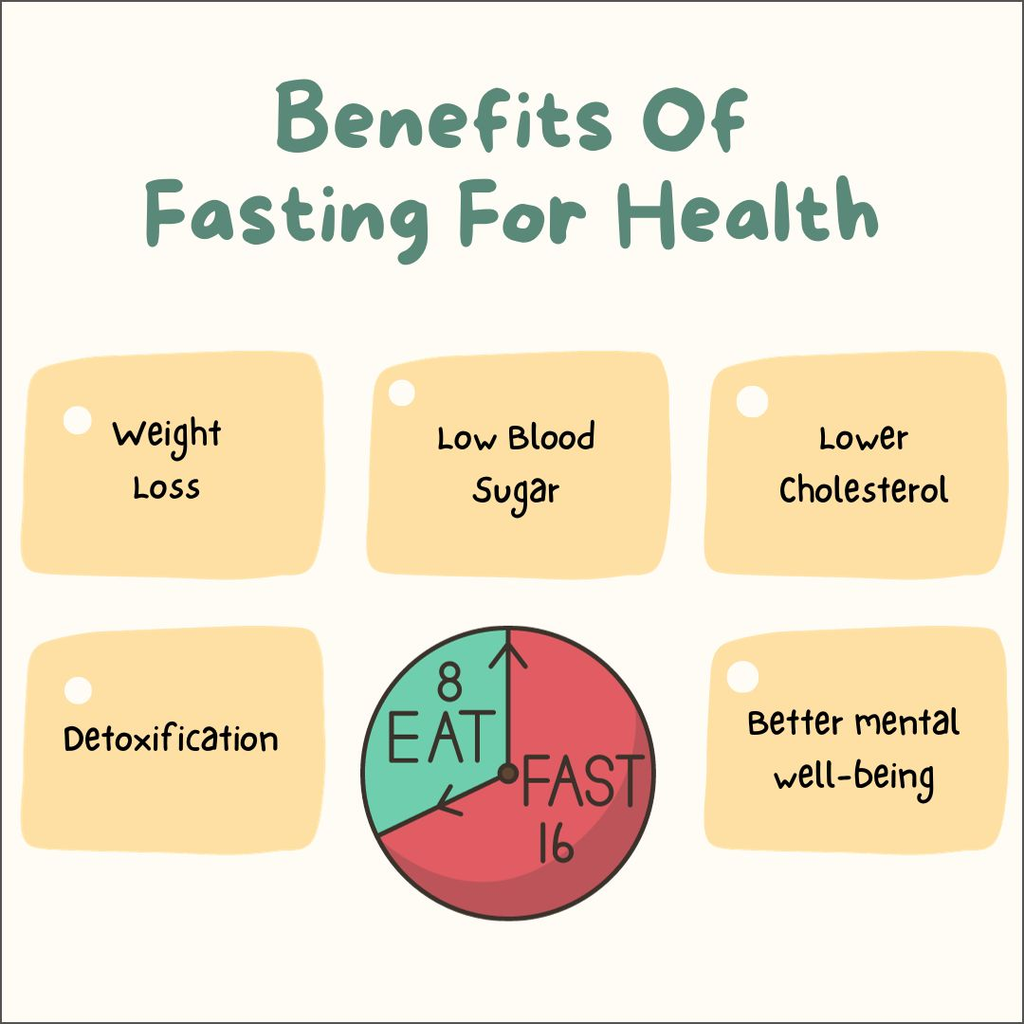
- The 16/8 method: Fasting for 16 hours and eating within an 8-hour window each day. This is one of the most popular and manageable formats, often achieved by delaying breakfast and eating between midday and evening.
- The 5:2 approach: Eating normally for five days of the week and significantly reducing calorie intake on the other two non-consecutive days.
- Alternate-day fasting: Alternating between regular eating days and days of very low or no calorie intake.
- Eat-stop-eat: A full 24-hour fast once or twice a week.
The best method depends on your routine, your preferences, and your health. Many people begin with a gentler approach like 16/8 before deciding whether a more demanding pattern feels right for them.
Potential Benefits of Intermittent Fasting
Intermittent fasting has been linked to a number of potential benefits, though individual results naturally vary. Some of the most commonly cited include:
- Weight management: By narrowing the eating window, many people naturally consume fewer calories, which can support weight goals.
- Improved blood sugar control: Some research suggests fasting may help improve insulin sensitivity, which plays a role in how the body manages blood sugar.
- Metabolic support: Fasting periods may encourage the body to shift toward using stored fat for energy.
- Simplicity and focus: With fewer meals to plan, some people find their day feels simpler and report improved focus.
It is worth noting that research in this area is still developing, and benefits can differ from person to person. Intermittent fasting is best viewed as one possible tool rather than a guaranteed solution.
Risks and Who Should Be Cautious
While many people practice intermittent fasting comfortably, it is not suitable for everyone, and there are real considerations to keep in mind. In the early stages, some people experience:
- Hunger, irritability, or low energy as the body adjusts.
- Difficulty concentrating, headaches, or trouble sleeping.
- A tendency to overeat during eating windows, which can offset the benefits.
For some groups, fasting can do more harm than good. It is generally not recommended for:
- People who are pregnant or breastfeeding.
- Anyone with a history of disordered eating.
- People with certain medical conditions, such as diabetes, or those taking medications that need to be paired with food.
- Children and teenagers, as well as anyone who is underweight.
This is why speaking with a doctor before starting is so important, particularly for anyone with an underlying health condition. A brief conversation with a healthcare professional can help ensure the approach is a safe fit.

Getting Started Thoughtfully
For those who are considering it and have the go-ahead to try, a gradual and gentle start tends to work best. A few simple principles can make the experience smoother:
- Ease in slowly, perhaps by gradually extending an overnight fast rather than making a sudden change.
- Stay well hydrated throughout fasting periods.
- Focus on balanced, nourishing meals during eating windows rather than treating them as a chance to overindulge.
- Pay attention to how your body responds, and be willing to stop if fasting leads to persistent fatigue, low mood, or other troubling symptoms.
Intermittent fasting can be an effective approach for some people, but it is not a universal answer. Its success depends on the individual, the method chosen, and how well it fits into a person’s life and health needs. Approached with knowledge, patience, and a little professional guidance where needed, it can be one considered option among many for those looking to build a healthier relationship with food and their daily routine.
What are your thoughts on this? Let us know in the comments below!