

“There is no day on which Allah sets free more slaves from Hell than He does on the Day of ‘Arafah.” (Muslim)
The Day of Arafah, observed on the ninth day of Dhul Hijjah, is widely regarded as the most sacred day in the Islamic calendar. It falls during the final and holiest month of the Islamic year, one day before Eid al-Adha, and marks the spiritual peak of the Hajj pilgrimage. Yet its importance is not confined to the pilgrims gathered near Makkah.
For Muslims everywhere, the day holds deep historical, theological, and spiritual meaning. In 2026, the Day of Arafah is expected to fall on May 26.
The single most significant reason for the day’s importance lies in a moment of Islamic history. It was on the Day of Arafah, during the Prophet Muhammad’s Farewell Pilgrimage in 632 CE, that one of the final verses of the Quran was revealed.
The verse, found in Surah Al-Maidah, declares that God had perfected the religion for the believers, completed His favor upon them, and approved Islam as their way of life. Muslims understand this as the spiritual closing of the divine message, the point at which the guidance sent through the prophets was complete. The weight of this verse was recognized even in early Islamic history. Tradition records that a man once remarked to Umar ibn Al-Khattab that had such a verse been revealed to his own community, they would have marked the day as a festival. Umar replied that he knew exactly when and where it had been revealed, on the Day of Arafah.
Prophet Muhammad’s Farewell Sermon
The Day of Arafah is also tied to the Prophet Muhammad’s Farewell Sermon, delivered on the plain of Arafah before a gathering said to number well over one hundred thousand of his companions.
In that address, the Prophet set out principles that Muslims regard as foundational. He spoke of the sanctity of life and property, the rights owed to women, the equality of all people regardless of race or lineage, and the importance of holding firmly to the Quran. The sermon was, in effect, a summary of the faith’s core teachings, delivered at the place and on the day that would carry that message forward. This is part of why the day is regarded not simply as a date on the calendar but as a link to the conclusion of the prophetic mission.
A Day of Mercy and Forgiveness
Beyond its historical events, the Day of Arafah is understood as a day of exceptional divine mercy. A well-known saying of the Prophet Muhammad, recorded in Sahih Muslim, states that there is no day on which God frees more people from the Fire than the Day of Arafah.
For this reason, the day is sometimes described as the Day of Repentance. Muslims treat it as one of the best occasions of the entire year to seek forgiveness, abandon wrongdoing, and turn back to God with sincerity. The mercy of the day is believed to extend to the whole Muslim community, not only to those performing the pilgrimage.
“Hajj is Arafah,” Prophet Muhammad (p.b.u.h.)
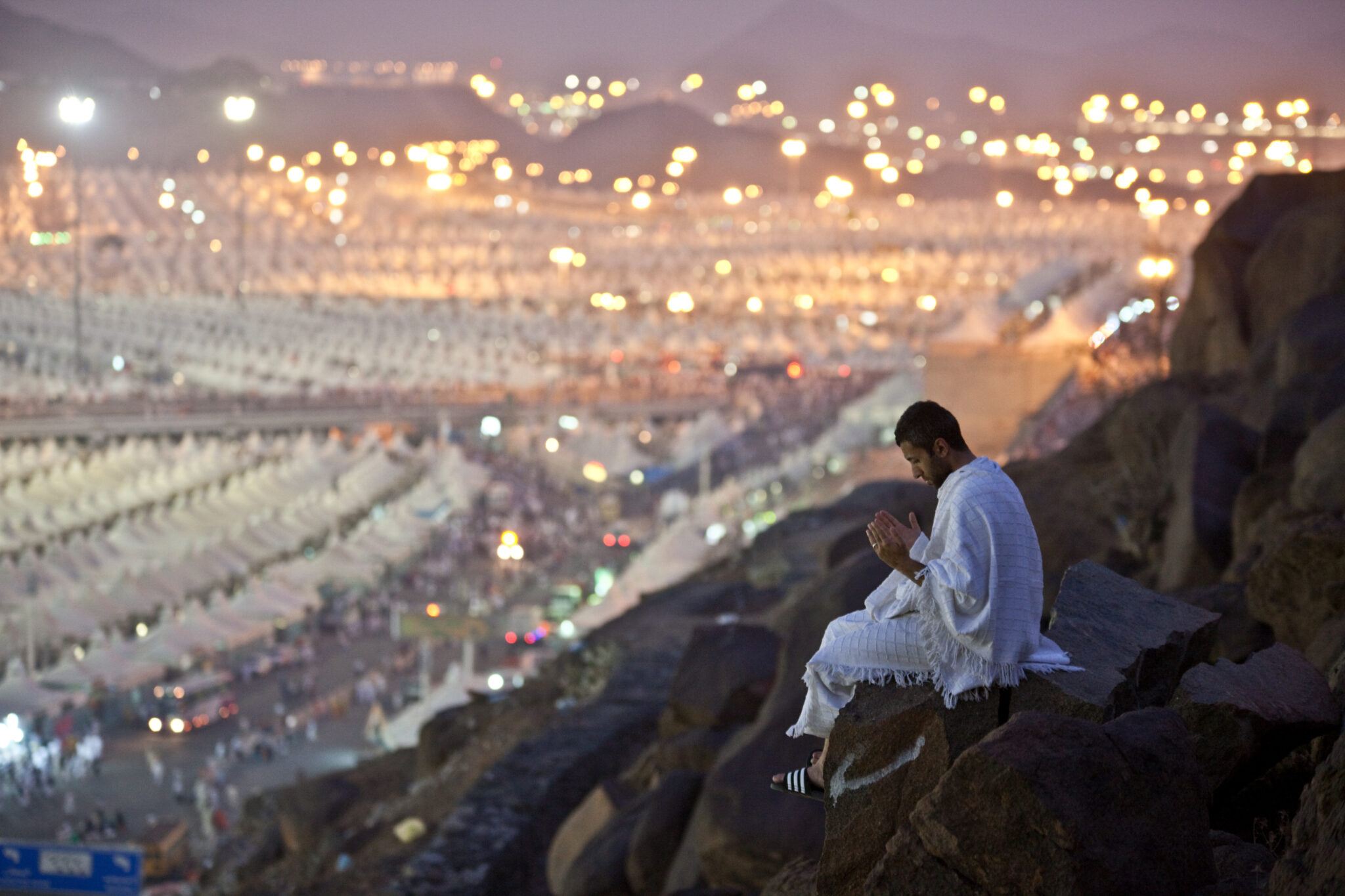
For the pilgrims, the Day of Arafah is the very heart of Hajj. From midday until sunset, they gather on the plain of Arafah in an act of worship known as wuquf, the standing. They spend the hours in prayer, repentance, and supplication.
The importance of this single act is captured in a saying of the Prophet Muhammad: “Hajj is Arafah.” Islamic scholars explain that without the standing at Arafah, a pilgrim’s Hajj is not valid. The gathering is also widely described as a reminder of the Day of Judgment, when all people will stand equal before God, stripped of wealth, rank, and status. The simple white garments worn by pilgrims and the open plain they share carry that message of humility and equality.
Importance for Muslims All Over The World
The blessings of the day are not limited to Makkah. For Muslims who are not performing Hajj, the day carries its own established practices.
Fasting on the Day of Arafah is a highly recommended act, following the example of the Prophet Muhammad. According to a saying in Sahih Muslim, this fast expiates the sins of the previous year and the year to come. This fast is recommended specifically for non-pilgrims, as those performing Hajj are advised to preserve their strength for worship. The day is also considered a time when supplication is especially accepted. The Prophet Muhammad described the prayer made on the Day of Arafah as the best of supplications. Muslims are encouraged to spend the day in heartfelt dua, in dhikr, the remembrance of God, and in giving charity.
Taken together, these layers of meaning explain why the Day of Arafah stands apart. It marks the completion of the faith, recalls the Prophet’s final sermon, and opens a window of mercy understood to reach every believer. Whether observed on the plain of Arafah or quietly at home, it is regarded as a day not to be missed.