


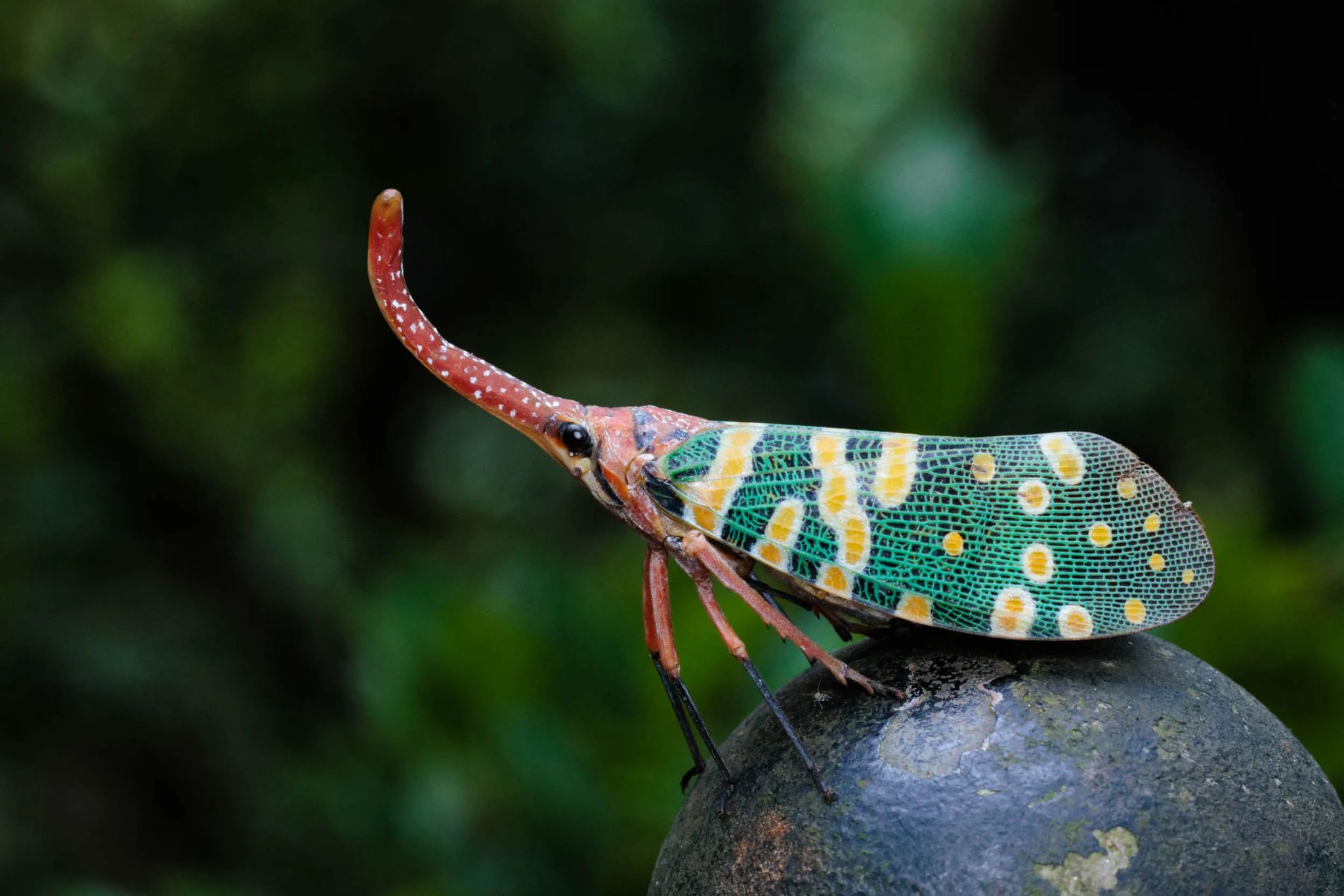
The insect world is far larger than we realize, and researchers are naming thousands of new species every single year.
Nearly 300 years ago, a Swedish naturalist named Carl Linnaeus set out to do something impossible: name every living thing on Earth. Obsessed with bringing order to nature’s chaos, he invented the two-name system scientists still use today and personally described over 10,000 plants and animals. He assumed the job could one day be finished.
Three centuries later, we know how wonderfully wrong he was. The map of life keeps expanding, and today scientists are discovering new species faster than at any point in history. A study led by the University of Arizona, published in Science Advances, found that researchers now describe more than 16,000 new species every year, roughly 6,000 of them insects. We are only beginning to grasp how much life shares this planet with us.
Why Scientists Keep Finding New Insects
For a long time, some experts assumed the great age of discovery was over. The Arizona team found the opposite. Analyzing the histories of roughly two million known species, they showed that the pace of discovery has never been higher.
Between 2015 and 2020, the most recent period with full data, scientists documented an average of more than 16,000 new species a year. That total was dominated by insects and other arthropods, with insects alone accounting for about 6,000 of the annual haul. According to study author John Wiens, roughly 15 percent of all known species have been identified in just the past 20 years.
Insects show how much remains hidden. Scientists have named around 1.1 million insect species so far, yet many believe the true number could reach 6 million, and possibly far higher. In other words, most of the insects on Earth may still be unknown to science.
The Strange New Insects Hiding in Plain Sight
The headline numbers come alive in the actual discoveries, which are often astonishing.
In Uganda’s Kibale National Park, entomologist Alvin Helden of Anglia Ruskin University discovered seven new species of leafhopper. The insects belong to a group called Batracomorphus, a name that comes from the Greek for “frog-shaped,” fitting for a green, big-eyed bug that jumps on long hind legs. They were so alike that telling them apart required examining microscopic anatomy. It was the first time new species in this group had been recorded in Africa since 1981.
Even stranger was a find in a South American rainforest canopy. A team led by a University of Florida scientist identified a tiny termite with an elongated head that resembles a sperm whale. They named it Cryptotermes mobydicki, after the whale in Herman Melville’s novel. The creature was so unusual that researchers first thought they had found an entirely new genus.
These discoveries share a quiet lesson. Remarkable insects are not only hiding in remote jungles. Some sit unnoticed in museum drawers for decades before anyone realizes what they are.
Why New Insect Discoveries Matter
Beyond the wonder, there is a serious reason this work matters. A species cannot be protected until it has been formally described and named.
As Wiens put it, documentation is the first step in conservation, because no one can safeguard a creature from extinction without knowing it exists. Encouragingly, the study found that the rate of discovery far outpaces the estimated rate of extinctions, which the researchers calculated at around 10 per year.
New species can also benefit people directly. Natural compounds found in animals, plants, and fungi have driven real medical breakthroughs. One striking example is the class of popular weight-loss drugs known as GLP-1 medications, which were inspired by a hormone found in the Gila monster, a venomous lizard.
The bigger picture is humbling and hopeful at once. After 300 years of formal effort since Linnaeus began naming life, scientists estimate that millions of species still wait to be found. Every year, the map of life on Earth grows, one strange and wonderful creature at a time. The work is far from finished, and that may be the most exciting part of all.
Follow us for more interesting updates!


