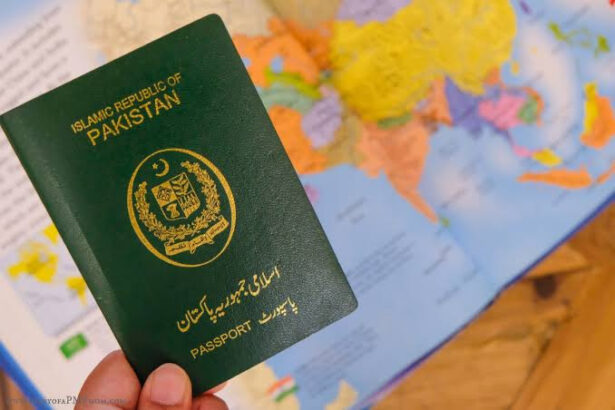


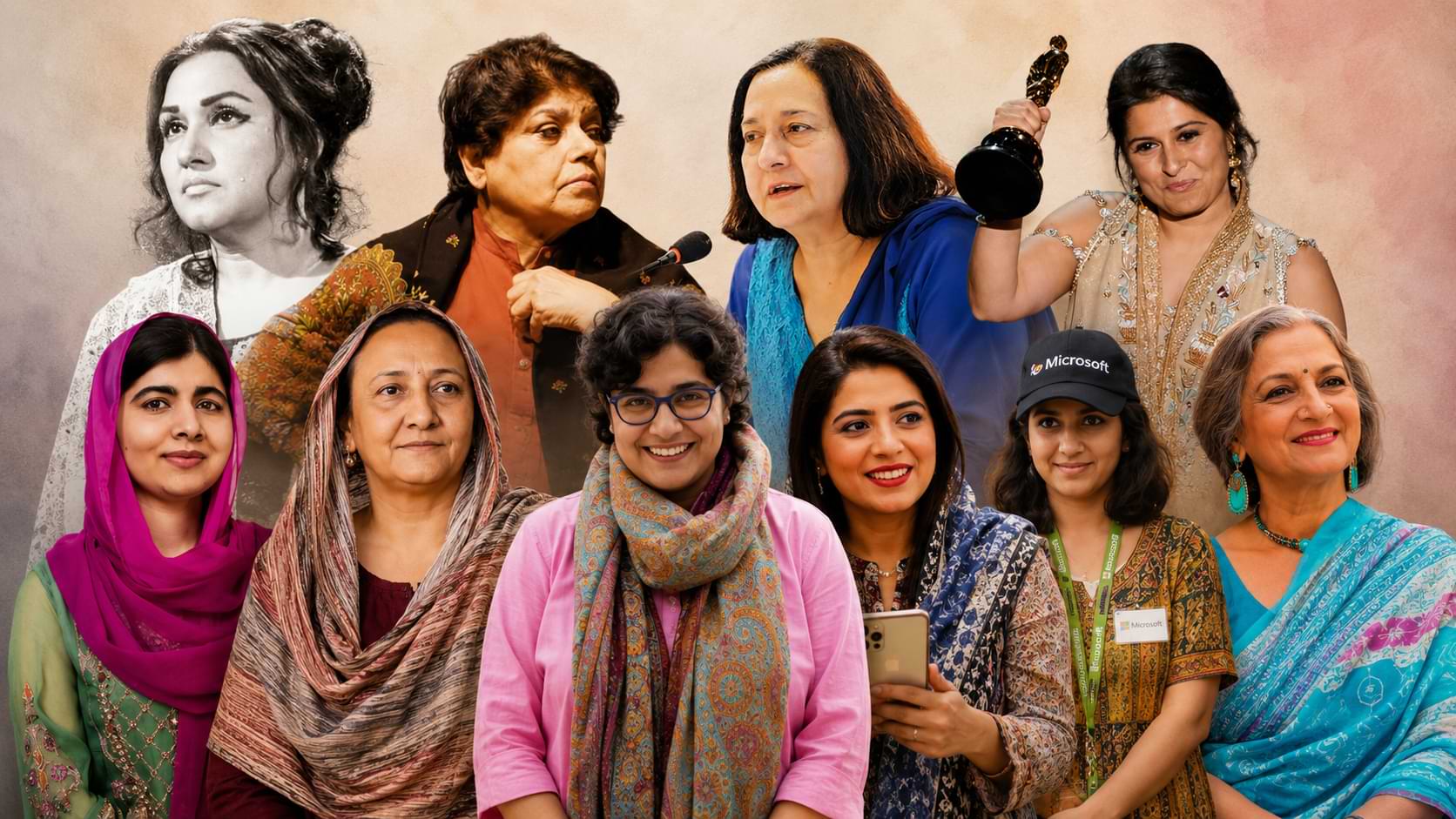
Throughout history, Pakistani women have transcended societal constraints to become architects of change, reshaping not only their nation but the world at large. From political arenas to scientific laboratories, from artistic stages to courtrooms, these remarkable women have shattered glass ceilings and challenged oppressive systems with unwavering courage and determination.
Political Trailblazers
The journey toward women’s political participation in Pakistan began with visionary leaders who dared to dream of equality. Begum Rana Liaquat Ali Khan, wife of Pakistan’s founder, broke barriers by becoming the first female ambassador, pioneering women’s representation in diplomatic service. Shaista Ikramullah continued this legacy as the first Muslim woman ambassador, serving Pakistan’s diplomatic mission with distinction and paving the way for future generations.
Perhaps the most iconic political figure is Benazir Bhutto, who became Pakistan’s first female Prime Minister in 1988. Despite facing tremendous opposition from a patriarchal society, she fought against authoritarian rule and championed democracy. Her assassination in 2007 while leading democracy restoration efforts cemented her status as a symbol of political courage and democratic ideals.
Defenders of Justice
While politicians reshaped governance, legal warriors fought for justice in different battlefields. Fatima Jinnah, sister of Muhammad Ali Jinnah, refused to be confined to the shadows of history. She ran for presidency in 1965, promoting equality and justice despite severe opposition, becoming a powerful voice for women’s rights and democratic values.
Asma Jahangir emerged as a legendary human rights lawyer who founded AGHS Legal Aid Cell, dedicating her life to protecting minorities and women. Her appointment as UN Special Rapporteur demonstrated how Pakistani women’s commitment to justice resonated globally, influencing international human rights discourse.
Lighting Paths to Knowledge
Education became a weapon of empowerment in the hands of Pakistani women. Arfa Karim astonished the world by becoming the youngest Microsoft Certified Professional at just nine years old, pioneering Pakistan’s presence in the global technology field and inspiring countless youth to pursue STEM careers.
Dr. Nergis Mavalvala represents the pinnacle of Pakistani excellence in advanced science. As a leading figure in the LIGO project that detected gravitational waves, her ground breaking research revolutionized our understanding of the universe. She embodies the intellectual potential of Pakistani women in space science and astrophysics.
Malala Yousafzai’s journey from Taliban attack survivor to Nobel Peace Prize winner at age 17 captured global attention. Shot for advocating girls’ education, she survived and transformed her tragedy into a worldwide movement for educational rights, proving that Pakistani women’s voices cannot be silenced.
Creative Renaissance
Pakistan’s cultural landscape was transformed by artists who dared to challenge conventions. Noor Jehan, the “Queen of Melody,” became Pakistan’s most celebrated singer, transcending borders with iconic music that inspired generations. Her voice became synonymous with Pakistani cultural identity.
Sheema Kirmani revolutionized performing arts as a pioneering dancer and choreographer who founded Tehrik-e-Niswan, using creativity as a tool for social activism and women’s empowerment. Her work demonstrated that art could be a powerful instrument for challenging patriarchy.
Sharmeen Obaid-Chinoy, with two Academy Awards, brought Pakistani women’s struggles to international screens through her documentaries on honour killings and acid attacks. Her films sparked policy changes and global conversations about women’s safety, proving that cinema could be a catalyst for social transformation.
Compassion and Community Service
Bilquis Edhi, alongside her husband, established the Edhi Foundation, which serves millions of poor, orphaned, and abandoned children without any religious or ethnic discrimination. Her humanitarian work redefined the meaning of compassion in action.
Mukhtar Mai transformed personal tragedy into a mission for women’s dignity, establishing schools and empowerment programs for underprivileged children. Her story demonstrates how resilience can become a source of strength for entire communities.
Voices of Resistance
Literary warriors like Kishwar Naheed used poetry as resistance against dictatorship and patriarchy, becoming an anthem for the feminist movement. Tehmina Durrani’s memoir My Feudal Lord exposed the brutal realities of domestic violence, sparking legal reforms and national conversations about women’s rights.
Ameena Saiyid championed children’s literature and creative education by founding The Indus Valley School of Art and Architecture, nurturing future generations of creative minds.
A Legacy That Transcends
These remarkable Pakistani women shattered glass ceilings, challenged oppressive systems, and stood for justice when the world was silent. Their contributions transcend Pakistan’s borders, inspiring millions globally and proving that gender is no barrier to greatness. Their stories remind us that women are indeed the architects of a better world.