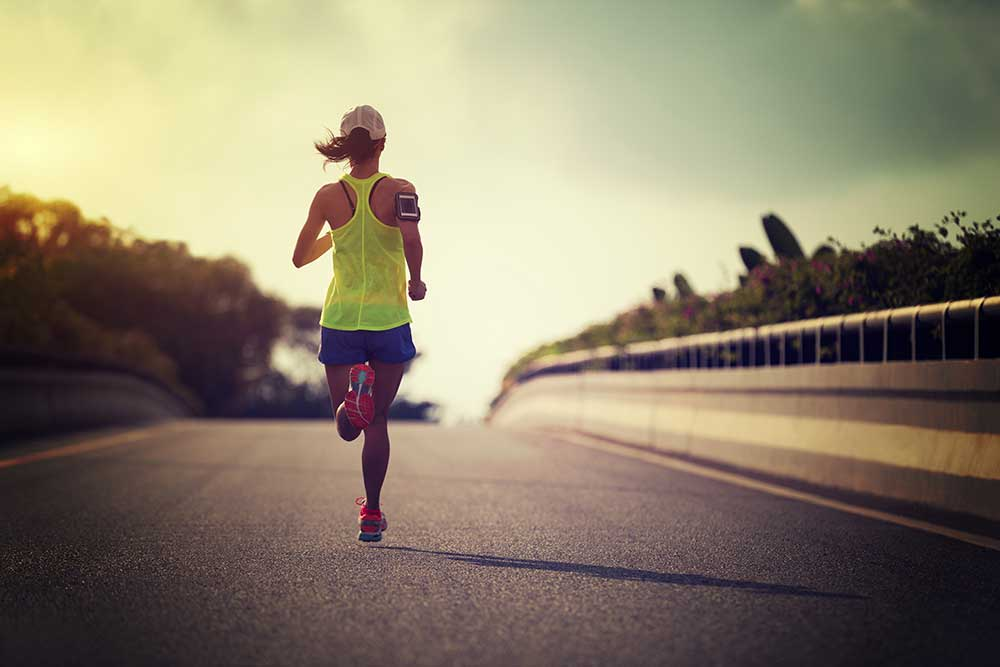
Regular physical activity is essential for maintaining overall health, improving cardiovascular fitness, strengthening muscles, and supporting mental well-being. However, exercising during periods of extreme heat can present unique challenges. As temperatures rise across many regions due to seasonal changes and increasingly frequent heatwaves, individuals who enjoy outdoor workouts may need to rethink their routines. Fortunately, staying active in hot weather is possible with the right precautions and a better understanding of how heat affects the body.
When exercising, the body naturally produces heat as muscles work harder. To prevent overheating, the body relies on several cooling mechanisms, primarily sweating and increased blood circulation to the skin. Sweat evaporates from the skin’s surface, helping to lower body temperature. However, when outdoor temperatures are high or humidity levels are elevated, this cooling process becomes less effective. As a result, the heart must work harder to regulate body temperature while also supplying oxygen-rich blood to working muscles.
This additional strain can make exercise feel more difficult than usual. Many people notice that they become fatigued more quickly, experience reduced endurance, or struggle to maintain their normal workout intensity during hot weather. For this reason, fitness experts recommend adjusting exercise expectations during particularly warm conditions. Rather than trying to achieve personal records or maintain peak performance, individuals should focus on consistency and safety.
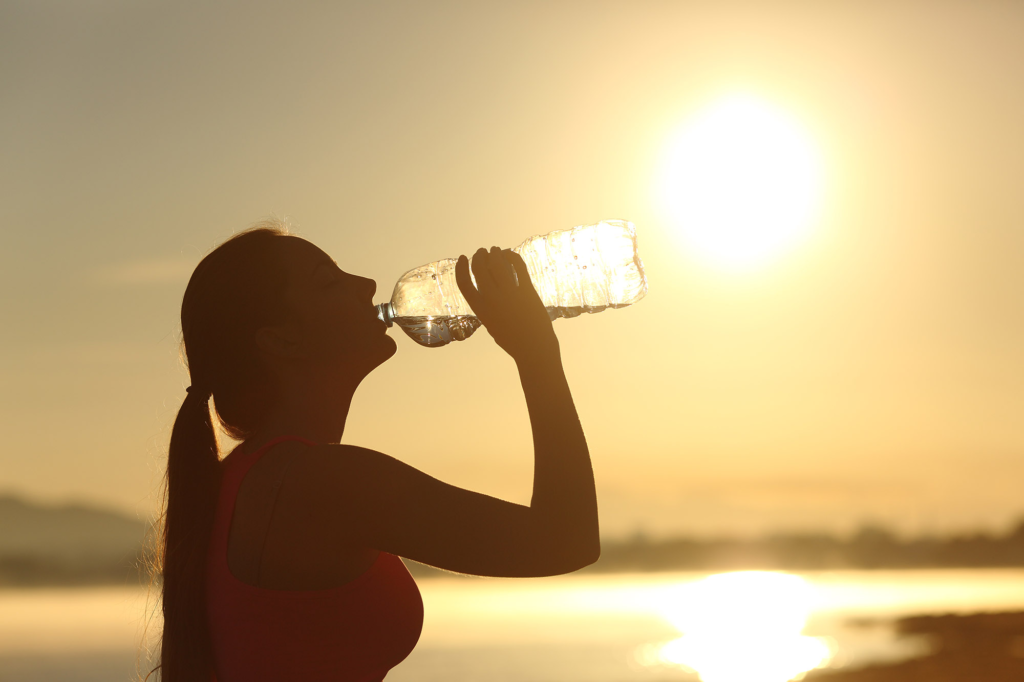
One of the most effective ways to exercise safely in hot weather is to choose the right time of day. Early morning and late evening hours are generally cooler than midday, making them more suitable for outdoor activities such as walking, running, cycling, or sports. Avoiding direct exposure to the sun during the hottest part of the day can significantly reduce the risk of overheating and heat-related illnesses.
Hydration is another critical factor. The body loses fluids continuously through sweat, and this loss increases dramatically during exercise in hot conditions. Even mild dehydration can negatively affect physical performance, concentration, and overall comfort. Drinking water before, during, and after exercise helps maintain fluid balance and supports the body’s cooling mechanisms. Individuals engaging in prolonged or intense physical activity may also benefit from replacing electrolytes lost through sweat, particularly if they exercise for more than an hour.
Clothing choices can also make a noticeable difference. Lightweight, loose-fitting, and breathable fabrics allow air to circulate more freely and help sweat evaporate efficiently. Light-colored clothing is often recommended because it reflects more sunlight and absorbs less heat than darker colors. Wearing a hat, sunglasses, and sunscreen can provide additional protection against sun exposure when exercising outdoors.
Another important strategy is modifying workout intensity. High-intensity exercise generates more internal heat, which can become difficult for the body to manage in hot environments. Reducing pace, shortening workout duration, incorporating rest breaks, or choosing lower-intensity activities can help minimize heat stress. Walking, swimming, yoga, or light cycling may be more comfortable alternatives during particularly hot days.
Interestingly, the human body can adapt to exercising in warmer conditions over time through a process known as heat acclimatization. When people gradually expose themselves to exercise in hot environments over one to two weeks, physiological changes occur that improve the body’s ability to regulate temperature. These adaptations may include earlier sweating, more efficient sweat production, and improved cardiovascular function. However, acclimatization takes time and should not be rushed, especially during extreme heat events.
Recognizing the warning signs of heat-related illness is equally important. Symptoms such as dizziness, headache, nausea, excessive fatigue, muscle cramps, rapid heartbeat, or unusual weakness should never be ignored. These signs may indicate heat exhaustion, a condition that can become serious if left untreated. If symptoms develop, exercise should be stopped immediately, and the affected person should move to a cool environment, rest, and rehydrate. More severe symptoms, including confusion, loss of consciousness, or an inability to cool down, may signal heat stroke, a medical emergency requiring immediate attention.
For some individuals, moving workouts indoors may be the safest option during periods of extreme heat. Air-conditioned gyms, fitness studios, indoor tracks, or home workout programs provide opportunities to stay active without exposing the body to excessive environmental stress. Swimming is another excellent alternative, offering both cardiovascular benefits and natural cooling.
Maintaining an active lifestyle remains important throughout the year, even during the hottest months. Rather than avoiding exercise altogether, individuals can make smart adjustments to their routines to reduce risk and improve comfort. By staying hydrated, exercising during cooler hours, wearing appropriate clothing, monitoring intensity levels, and paying attention to the body’s signals, people can continue to enjoy the benefits of physical activity while protecting their health.
As global temperatures continue to rise and heatwaves become more common, understanding how to exercise safely in hot weather is becoming increasingly important. Adapting fitness habits to changing environmental conditions can help ensure that physical activity remains both enjoyable and sustainable, regardless of the season.