


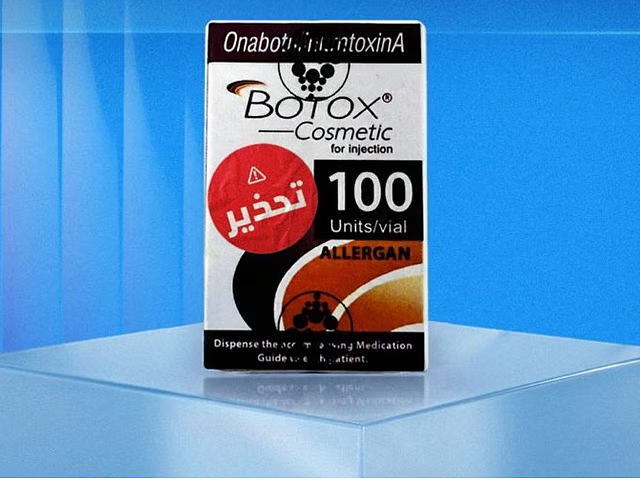
The Emirates Drug Establishment (EDE) has issued an urgent public health warning regarding a counterfeit batch of Botox Cosmetic for Injection 100 Units that has been identified in the United Arab Emirates. The alert concerns products bearing batch number C7048C4, which authorities say do not match the official manufacturing records of the product’s manufacturer, AbbVie.
According to the EDE, investigations confirmed that the batch number in question is not recognized by AbbVie and that the product was not imported through official channels approved by UAE authorities. As a result, healthcare providers, pharmacies, and medical facilities have been instructed to immediately stop using, distributing, or dispensing any units carrying the specified batch number.
The warning highlights growing global concerns surrounding counterfeit medical and cosmetic products entering legitimate supply chains. Regulatory authorities emphasized that counterfeit products may not comply with approved manufacturing standards and could pose significant health risks to patients. Because their contents, storage conditions, and manufacturing processes cannot be verified, counterfeit injectable products may lead to harmful reactions or unexpected medical complications.
In its advisory, the Emirates Drug Establishment urged healthcare professionals to carefully verify the authenticity of medical products before administration and to remain vigilant when sourcing pharmaceutical and cosmetic injectables. The authority also called on patients to seek medical advice if they experience unusual symptoms after receiving Botox injections and to report any suspected counterfeit products or suspicious distribution activities.
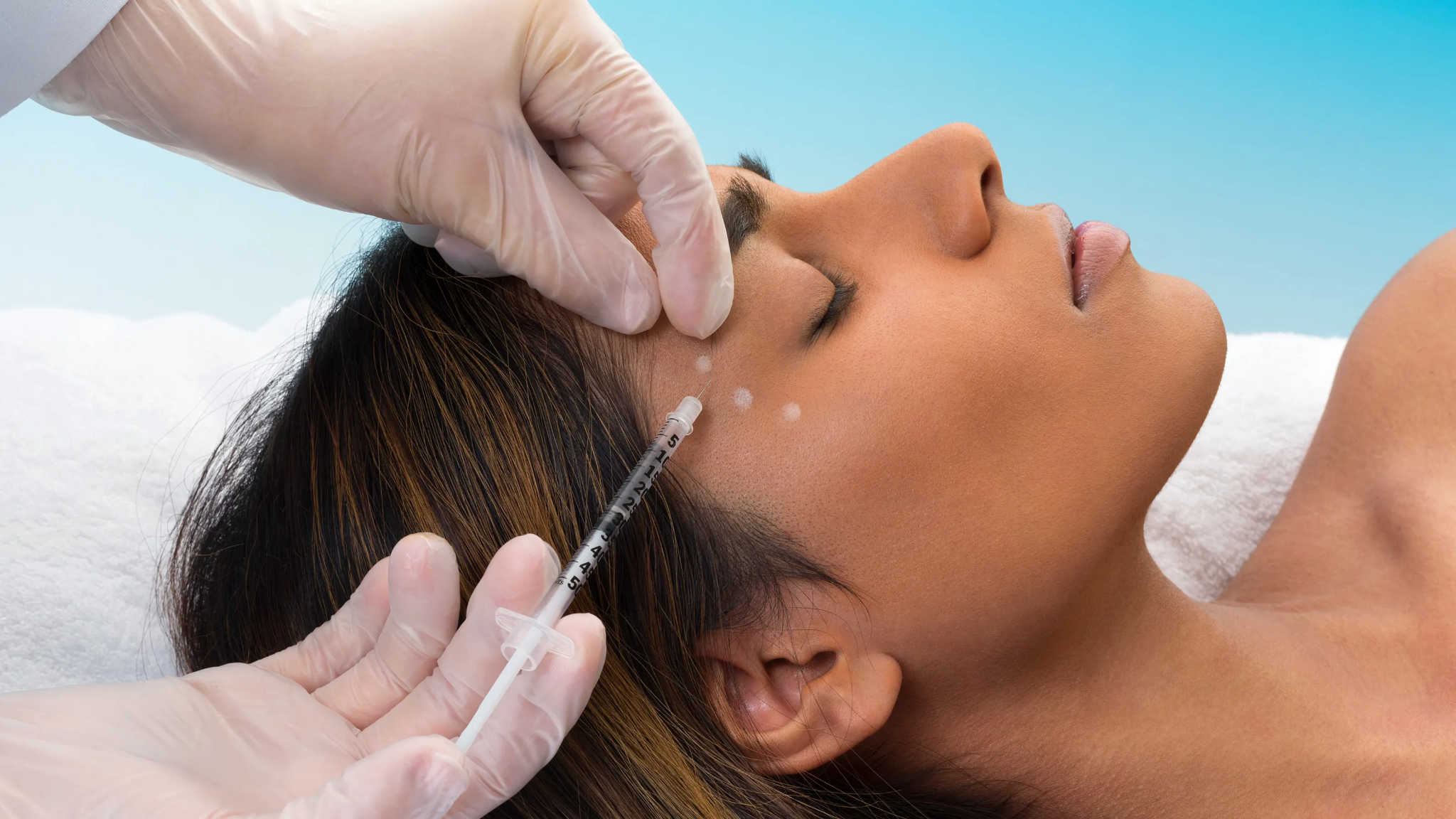
Botox, a brand name for onabotulinumtoxinA, is widely used for both cosmetic and therapeutic purposes. In cosmetic medicine, it is commonly administered to reduce the appearance of facial wrinkles and fine lines. The product is manufactured by AbbVie through its Allergan Aesthetics division and is distributed through authorized channels in markets around the world. Authentic Botox products are subject to strict manufacturing, storage, and quality-control requirements.
The UAE warning comes amid a broader international effort to combat counterfeit Botox products. Regulatory agencies in several countries have issued similar alerts in recent years after discovering fake products that closely resembled genuine Botox packaging. In January 2026, Australia’s Therapeutic Goods Administration (TGA) warned about counterfeit Botox vials that had entered the country through unauthorized channels. Australian authorities stated that the products appeared similar to genuine Botox packaging but were confirmed by AbbVie to be counterfeit and had not undergone safety or quality assessments.
Similarly, the U.S. Food and Drug Administration (FDA) issued warnings after counterfeit Botox products were found in multiple states. The FDA reported adverse events, including hospitalizations, linked to the use of counterfeit products administered for cosmetic purposes. Reported symptoms included blurred or double vision, difficulty swallowing, shortness of breath, muscle weakness, and other effects consistent with the spread of botulinum toxin beyond the intended treatment area.
Health regulators note that counterfeit injectable products are particularly concerning because they may contain unknown substances, incorrect dosages, contaminants, or inactive ingredients. Unlike genuine products that undergo extensive testing for safety, quality, and efficacy, counterfeit versions are produced outside regulated manufacturing systems and are not subject to official oversight.
AbbVie and Allergan Aesthetics have previously stated that authentic Botox products are distributed through authorized supply chains and include specific security features designed to help healthcare providers verify authenticity. The company advises medical professionals and consumers to obtain products only through approved distribution channels and to report any suspicious products to relevant authorities.
The Emirates Drug Establishment has encouraged healthcare professionals and members of the public to remain alert and to report any suspected cases involving the counterfeit batch. The authority stressed that prompt reporting can help prevent the circulation of counterfeit medical products and protect patient safety.
As investigations continue, UAE regulators are reinforcing the importance of sourcing pharmaceuticals and cosmetic injectables exclusively through authorized channels. The latest alert serves as a reminder of the ongoing challenges posed by counterfeit medical products and the critical role of regulatory oversight in safeguarding public health.