Over 1,100 antiquities smuggled out of Balochistan have been recovered from Italy, the United States, France and the UK, as returned pieces go on display in Islamabad.
Pakistan has recovered more than 1,100 cultural artefacts that were smuggled out of the country over the past two decades. The pieces were traced and returned by authorities in Italy, the United States, France and the United Kingdom, following investigations into illicit trafficking networks, according to Daily Times.
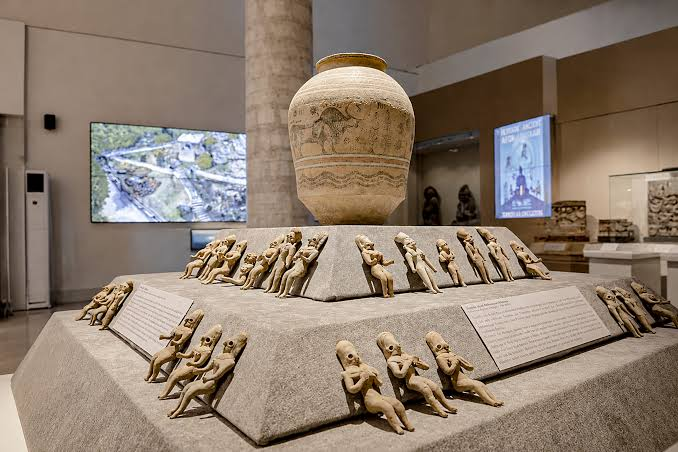
The 1,100 objects were all excavated from archaeological sites in Balochistan, Pakistan’s largest province by area, in the country’s southwest. They include material from the ancient Kuli and Naal sites, some of the oldest known settlements in the region. The recoveries span years of separate seizures abroad, now consolidated as the antiquities make their way back into Pakistani custody.
The returns have arrived through several channels and over a long stretch of time. Each recovery followed a foreign investigation that identified the objects as illegally removed from Pakistan, after which legal and administrative steps cleared the way for their return.
Balochistan Seeks Custody of the Recovered Artefacts
The province where the objects originated is now pressing to hold them. In a letter to the federal government, Balochistan authorities said all of the recovered artefacts were excavated from sites across the province and should be transferred to provincial custody rather than remain with the Centre.
Provincial officials base the claim on the 18th Constitutional Amendment, arguing that responsibility for preserving the artefacts rests with the provincial government. They have asked that the objects be displayed in museums across Balochistan, both to safeguard the province’s cultural heritage and to widen public access to them.
The recoveries that prompted the demand came from multiple countries. France has returned hundreds of antiquities linked to Balochistan, a recovery that traced back to the seizure of artefacts at Paris’ Charles de Gaulle Airport in 2006, which led investigators to uncover a larger trafficking network. Italy has made repeated returns as well, including 90 ancient artefacts confiscated in 2007 by its Carabinieri heritage protection unit and handed back in October 2025, followed by further pieces recovered by Italy’s Guardia di Finanza and flown to Islamabad in June 2026.
US Returns Over 450 Artefacts to Islamabad Museum
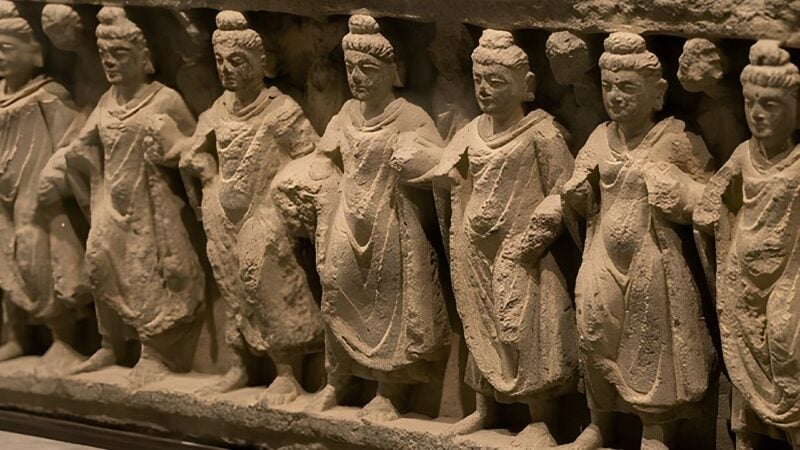
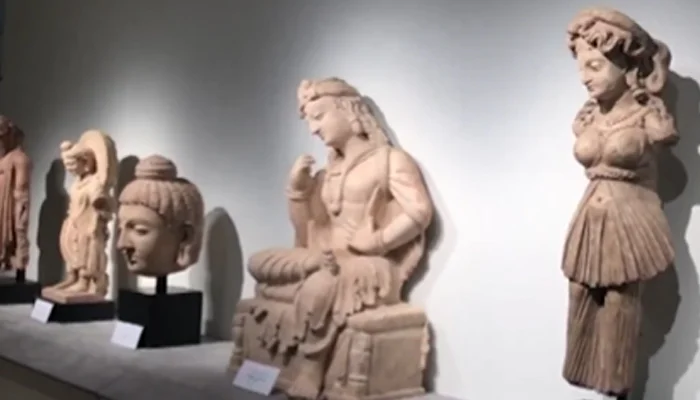
The largest single return came from the United States. In May 2026, the US formally repatriated more than 450 cultural artefacts to Pakistan during a ceremony at the Islamabad Museum, according to the US Embassy in Pakistan. The collection included rare Buddhist sculptures, Gandhara masterpieces and other historically significant objects, some dating back thousands of years.
The Antiquities Trafficking Unit of the Manhattan District Attorney’s Office recovered the objects, which were identified and returned through cooperation between US law enforcement and Pakistani authorities. Officials said the collection was worth close to 23 million dollars. Speaking at the ceremony, US Assistant Secretary of State for South and Central Asian Affairs S. Paul Kapur said the artefacts represented chapters of Pakistan’s history and connected generations to their heritage.
Those returned pieces went on public display at the Islamabad Museum in an exhibition titled “Legacy Returns Home,” organised by the National Heritage and Culture Division and the Department of Archaeology and Museums. Officials said that since 2007, a total of 513 Pakistani cultural artefacts have been repatriated from the United States across several phases, including recoveries in 2007, 2021, 2023, 2025 and 2026.
A Long Effort to Reclaim Smuggled Heritage
The recoveries reflect a wider push to reclaim objects lost to decades of trafficking. Amanullah, Director General of the Department of Archaeology and Museums, said the exhibition marked the return of valuable parts of Pakistan’s history and identity, and would help raise public awareness of the effects of illicit antiquities trafficking.
The antiquities on show span vanished kingdoms and civilisations that flourished thousands of years ago. Around 150 of the artefacts displayed at the Islamabad Museum, held in the Sir Syed Memorial section, include Buddha statues, Gandhara sculptures and rare pieces dating back nearly 4,000 years.