

Every nation cherishes the symbols that embody its identity, freedom, and sovereignty. For Pakistan, the green and white flag featuring the crescent and star stands as a timeless emblem of pride, sacrifice, and hope. Yet, behind the creation of the country’s very first physical flag lies a story of quiet devotion, incredible craft, and legacy. At the heart of this historical milestone are two brothers—Master Afzal Hussain and Master Altaf Hussain—the tailors who brought the national symbol to life.
Crafting History in Delhi
Before the historic dawn of independence in 1947, the Hussain brothers operated a prominent tailoring shop in Delhi. Driven by deep devotion to the cause of independence, their workshop was more than a place of business; it served as a trusted hub where key leaders of the All-India Muslim League gathered to have their traditional sherwanis crafted for public events.
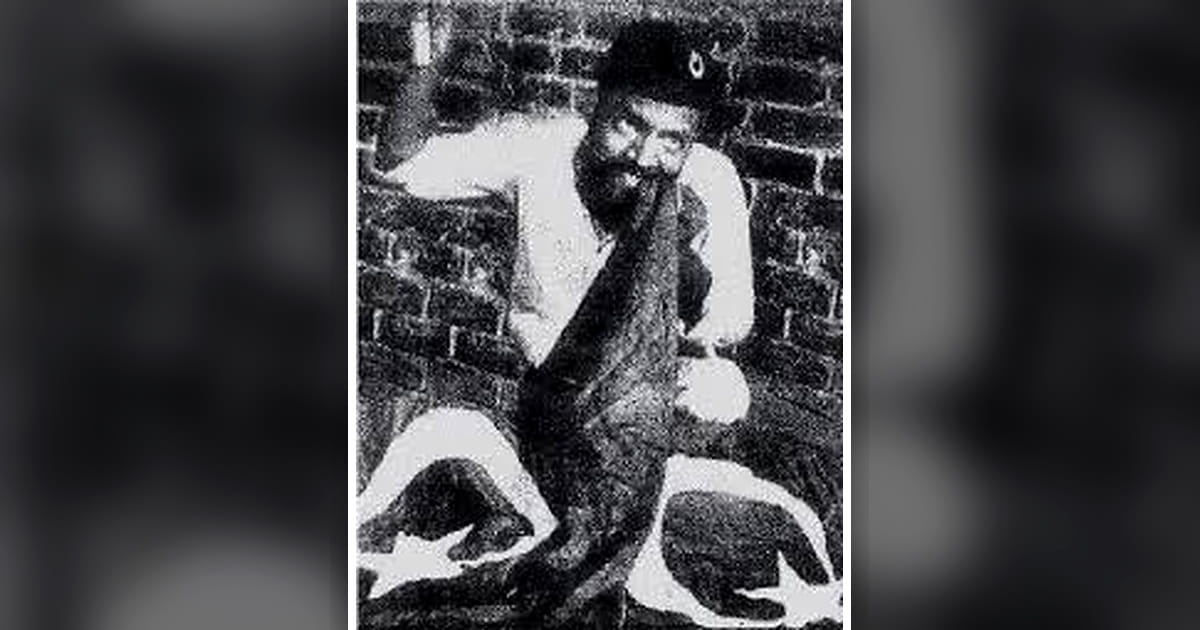
Following the formal announcement of Partition in June 1947, as plans for a new state took final shape, the brothers were entrusted with a sacred responsibility: stitching the first official national flag of Pakistan. Working meticulously by hand inside their Delhi shop, they transformed raw fabric into the symbolic crescent-and-star banner.
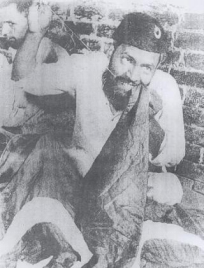
This historic effort was famously captured by LIFE magazine photojournalist Margaret Bourke-White on June 3, 1947, whose photographs documented Master Altaf Hussain seaming the flag—providing a rare, direct visual record of history in the making.
A Life of Quiet Humility in Karachi
Following independence, the family migrated to Pakistan and settled in Karachi. Guided by simplicity and a spirit of selfless service, the brothers chose a quiet, unassuming lifestyle. They continued their trade far from the public spotlight, content in the knowledge that their craftsmanship had given physical form to the nation’s supreme symbol.
Over the decades, as the country navigated its early political and social transformations, the identity of the tailors behind the first flag gradually faded from collective memory. For years, Master Afzal Hussain was affectionately remembered as Baba-e-Parcham (“Father of the Flag”), while the full historical record of both brothers’ joint contributions remained a subject of quiet family remembrance.
A Shared Heritage Restored
In time, public interest and historical research brought the full story of the Hussain brothers back into national focus. Scholars, journalists, and civic advocates worked to highlight the archival evidence and oral histories surrounding their Delhi workshop.
Recognizing their invaluable service, the state formally acknowledged their contributions across different eras. Master Afzal Hussain’s role was recognized in national honours through the efforts of scholars and leadership, while Master Altaf Hussain was officially conferred a posthumous Civil Award by the state for his documented role in tailoring the banner.
“To stitch the first flag of a nation is to weave the very aspirations, courage, and pride of its people into fabric.”
An Enduring National Tribute
Today, the story of Master Afzal Hussain and Master Altaf Hussain stands as a powerful testament to the unsung heroes of the founding generation. Whenever the green and white flag rises against the sky, it carries with it the quiet legacy of the two brothers—a timeless reminder that the foundation of a nation is built on the love, unity, and dedication of its everyday citizens.