

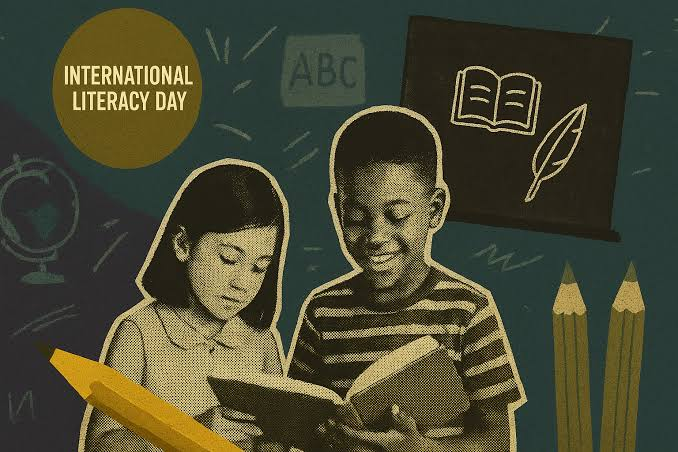
International Literacy Day turned 60 on September 8, and UNESCO used the milestone to repeat a point it has made since 1966: reading and writing should belong to everyone. Six decades in, the day still exists because the problem has not gone away.
Around the world, an estimated 739 million youth and adults still cannot read or write at a basic level. That figure framed this year’s observance, held under the theme “Literacy for People, Planet and Prosperity,” with the main global celebration taking place in Chiapas, Mexico. UNESCO says the goal has not shifted in 60 years. It is still literacy for all.
The bigger picture holds real progress. More than 88 percent of the world’s adults can now read and write, up from around 65 percent in 1975. Yet the gains are uneven, and the day is as much about the gaps that remain as the ground already covered.
UAE Tops Global Youth Literacy Rankings
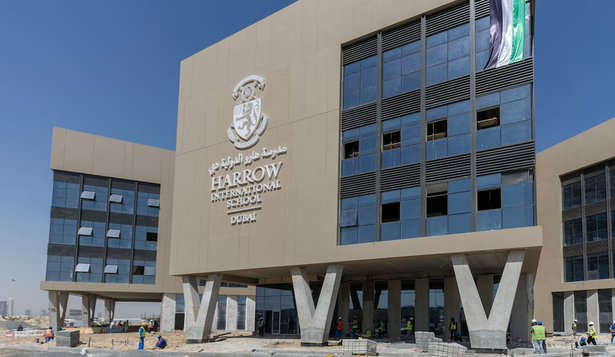
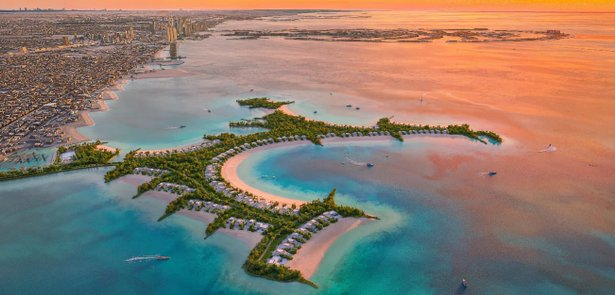
The United Arab Emirates enters the day near the top of the table. The country recorded a youth literacy rate of 99.6 percent among people aged 15 to 24, placing it first in the world on that measure. The figure was cited in the Unified UAE Numbers Report, released during the UAE Government Annual Meetings, drawing on data compiled by the UN Sustainable Development Solutions Network.
Schooling levels track the same trend. The report put the average number of years of schooling in the UAE at 13.36 as of 2024. It described education as a cornerstone of the country’s long-term development vision and a key driver of its shift toward a knowledge-based economy.
The youth figure reflects decades of investment in schooling across the Emirates. Near-universal literacy among young people has become one of the country’s headline education metrics, and the first-place ranking places it ahead of far larger and wealthier economies on that single indicator.
Pakistan Literacy Rate Reaches 63 Percent
Pakistan marked the day with numbers that tell a different story, one of slow progress against a large gap. The latest Pakistan Economic Survey, covering 2025 to 2026, puts the national literacy rate at 63 percent for people aged 10 and above, up from 61 percent in the previous survey. The gains are modest, and they sit on top of a wide gender divide: 73 percent of men are literate, against 54 percent of women.
Location matters too. In cities, the rate reaches 74 percent. In rural areas it falls to 55 percent, and the divide is sharpest for women, who record 68 percent literacy in urban areas but 44 percent in the countryside.
The provinces vary just as much. The eastern province of Punjab leads at 68 percent. The southern province of Sindh and the northwestern province of Khyber Pakhtunkhwa each sit at 58 percent, while the southwestern province of Balochistan trails at 49 percent. Female literacy shows the widest spread, from 62 percent in Punjab down to 31 percent in Balochistan.
The classroom picture is harder still. UNICEF estimates that about 25.1 million children aged 5 to 16 are out of school in Pakistan. Punjab has the largest raw number, while Balochistan carries the heaviest burden relative to its child population. There has been movement in the right direction, with the Economic Survey recording the share of out-of-school children falling from 38 percent in 2023 to 28 percent in 2025.
Prime Minister Muhammad Shehbaz Sharif issued a message to mark the day. Literacy, he said, plays a pivotal role in determining the quality of life of individuals and nations. He said the federal government is committed to equal, inclusive and quality education for all, with a focus on digital literacy, skills development, research and innovation, and that it is working with the provinces on a broader strategy to raise the rate.
Global Literacy at a Glance
Literacy rates span a wide range across regions, from near-universal in much of the Gulf, Europe and East Asia to well under half the adult population in parts of sub-Saharan Africa. The following figures reflect widely reported adult and youth literacy estimates compiled on a UNESCO basis:
- The United Arab Emirates leads on youth literacy at 99.6 percent among those aged 15 to 24, ranked first globally.
- More than 88 percent of the world’s adults can now read and write, up from around 65 percent in 1975.
- An estimated 739 million youth and adults worldwide still lack basic literacy skills.
- Roughly two-thirds of adults who cannot read are women, a share that has barely changed in decades.
- Four in ten children in low- and middle-income countries do not reach a minimum reading proficiency level.
- Pakistan reports a national literacy rate of 63 percent for those aged 10 and above, with wide gaps between provinces and between men and women.
- The lowest national adult literacy rates, largely in parts of sub-Saharan Africa, remain below 50 percent.
Literacy for All Remains the Goal
This year’s observance combined recognition and planning. UNESCO presented six International Literacy Prizes to initiatives judged to have made a strong contribution, and held a meeting of its Global Alliance for Literacy, which focuses on countries with lower literacy rates and coordinates work among governments and partners.
The contrast on display was hard to miss. The UAE sat at the top of the global rankings while Pakistan worked to close a gap that still leaves tens of millions of children out of school, and much of the world fell somewhere between the two.
Sixty years after the first International Literacy Day, UNESCO’s message has not changed. Literacy, it says, is a right that belongs to all people. The anniversary marked how far the world has come, but the numbers, from the Gulf to South Asia to sub-Saharan Africa, were a reminder of how much ground is left to cover.