


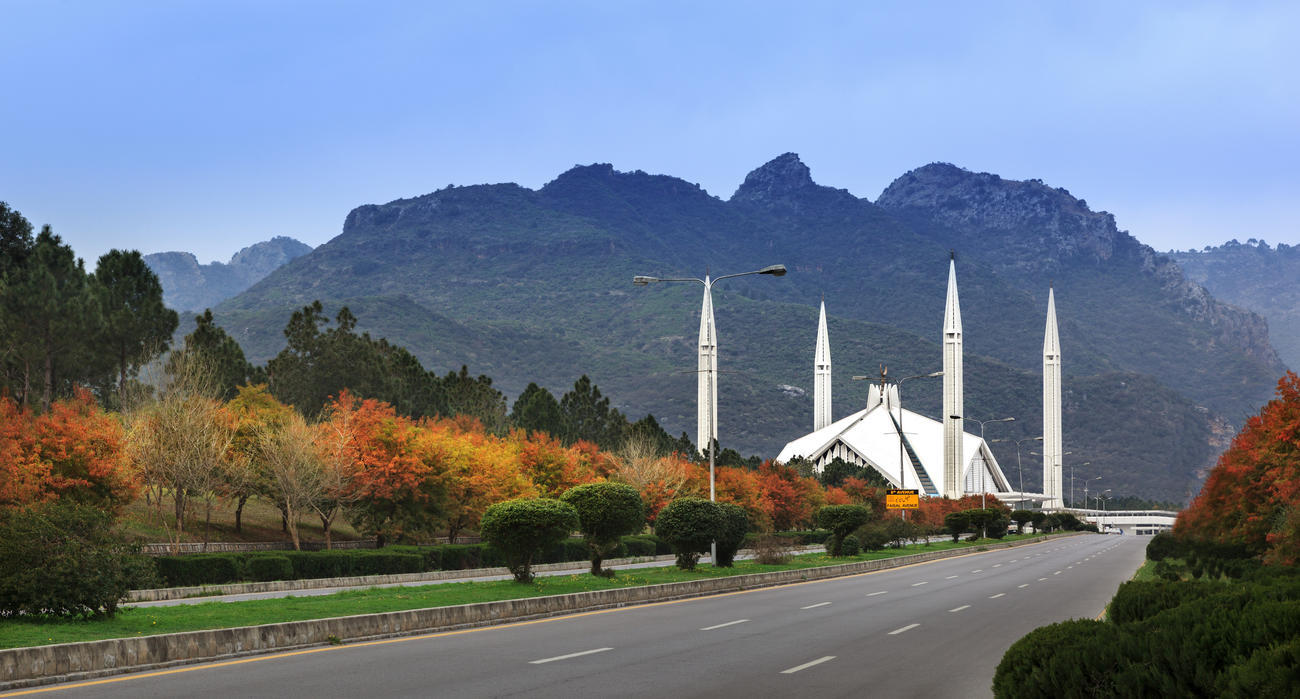
Pakistan stands at the threshold of a cultural renaissance, wielding an extraordinary arsenal of soft power that is captivating audiences across continents. From the mesmerizing strains of Qawwali to intricately embroidered textiles, from television dramas dominating Middle Eastern screens to agricultural products feeding nations, Pakistan is quietly establishing itself as a beacon of cultural richness and authentic creativity in an increasingly homogenized global marketplace.
The Music That Moves the World
Perhaps nowhere is Pakistan’s soft power more compelling than in its musical heritage. Ustad Nusrat Fateh Ali Khan, revered as the “King of Kings of Qawwali,” single-handedly transformed perceptions of Pakistani music on the world stage. Recognized among Rolling Stone’s 200 Greatest Singers of All Time and NPR’s 50 Great Voices, Nusrat didn’t merely sing—he became a cultural ambassador, introducing centuries-old Sufi devotional traditions to audiences from New York to London, breaking down cultural barriers through the universal language of music.
His legacy continues through contemporary maestros like Rahat Fateh Ali Khan, who seamlessly bridges classical Qawwali with international concert halls and global platforms. Contemporary artists like Atif Aslam have further expanded Pakistan’s musical reach, achieved international recognition and performed across continents. The phenomenal success of platforms like Coke Studio Pakistan demonstrates how Pakistani music continues to evolve, creating landmark collaborations that resonate with millions worldwide. Artists like Shafqat Amanat Ali Khan and Abida Parveen continue to mesmerize global audiences with spiritually profound performances that celebrate Pakistan’s rich Sufi traditions.
These musicians prove that Pakistan’s musical traditions aren’t relics of the past—they’re living, breathing art forms captivating global audiences and establishing Pakistan as a centre of musical excellence.
Dramas Conquering Hearts Across Borders
Pakistani television has emerged as a surprising triumph of international cultural export. When “Humsafar” aired on MBC in the Middle East under the title “Rafeeq-Al-Rooh,” it instantly became the channel’s most-watched drama, a watershed moment that opened doors for Pakistani content across the Arab world. Following this breakthrough, shows like “Zindagi Gulzar Hai,” “Khaani,” and “Suno Chanda” have captured imaginations from Dubai to Beirut, with current hits like “Pamaal” generating tremendous international buzz.
These aren’t merely entertainment exports—they represent sophisticated narratives that celebrate Pakistani culture, explore complex human relationships, and present nuanced perspectives on contemporary life. The quality of Pakistani productions, coupled with stellar performances from talented actors, demonstrates the sophistication that distinguishes Pakistani dramas from mass-market offerings. The growing popularity among international audiences reflects the universal appeal of Pakistani storytelling rooted in authentic cultural experiences.
The Culinary Gold Mine
Pakistan’s agricultural and food sector represents a treasure trove of opportunity and achievement. With rice exports valued at $2.7 billion annually, Pakistan ranks among the world’s largest suppliers of premium basmati rice, prized by discerning consumers globally for its superior quality and distinctive fragrance.
Beyond rice, Pakistani mangoes have emerged as another agricultural crown jewel. Exported to prestigious markets worldwide, Pakistani mangoes—particularly varieties from Sindh and Punjab—are celebrated for their exceptional sweetness, flavor complexity, and nutritional value. The international recognition of Pakistani mangoes at premium prices demonstrates global appreciation for the nation’s agricultural excellence.
The nation’s commitment to halal meat production has positioned it as a trusted supplier in global markets, with exports surging significantly to major economies. Pakistani spices and culinary ingredients, crafted with generations of expertise, are increasingly sought by international chefs and home cooks alike, bringing authentic Pakistani flavours to tables across the world.
Handicrafts: Treasures of Authentic Artistry
Pakistan’s handicrafts represent perhaps the most authentic expression of its soft power. The intricate Ajrak patterns of Sindh, the mirror works of Ralli quilts, the hand-carved wooden pieces from Swat, and the legendary blue pottery of Multan aren’t mere commodities—they’re cultural artifacts imbued with centuries of storytelling and tradition. Recent data shows a spectacular 105.7% expansion in handicraft exports, reflecting growing global recognition of Pakistan’s artisanal excellence.
What makes Pakistani handicrafts exceptional is their authenticity. In an era when consumers increasingly crave genuine, handmade goods with cultural significance, Pakistan’s artisans deliver exactly that. Each piece carries not just aesthetic value but narrative weight—stories of communities, traditions, and artistic dedication that resonate with global audiences.
A Cultural Legacy Poised for Greater Heights
Pakistan’s soft power potential represents far more than economic opportunity—it’s a pathway to transforming global narratives and fostering genuine cross-cultural understanding. Through its music, dramas, cuisine, and handicrafts, Pakistan offers the world authenticity, depth, and beauty rooted in millennia of cultural achievement.
As these treasures gain international recognition, they carry with them the essence of Pakistan: a nation of remarkable creativity, warm hospitality, and cultural sophistication. The world is discovering Pakistan itself, one drama episode, one musical note, one carefully crafted handicraft, and one delicious mango at a time.