

Pakistan’s military says 14 militants and one soldier were killed during a security operation in Balochistan’s Basima district.
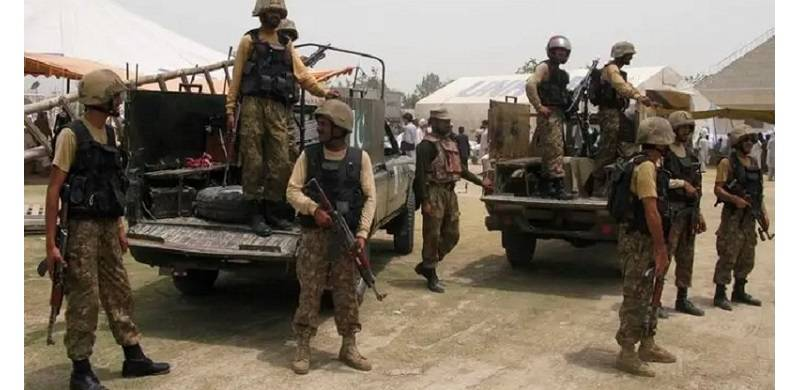
Pakistan’s military says security forces killed 14 militants during an operation in Balochistan’s Basima district, while one soldier was killed in the exchange of fire. The Inter-Services Public Relations, the military’s media wing, said the intelligence-based operation took place on June 8, 2026, in the Naal area of the district. According to the statement, forces moved in to stop a planned attack on a police station and bank branches in the area.
The ISPR said intelligence reports on June 8 indicated the presence of militants in the Naal area. It described the group as linked to “Fitna al Hindustan,” a label Pakistani authorities use for militant outfits operating in Balochistan that the government says are backed by India, a characterization India has denied. The military said the group was preparing to strike a nearby police station and banks.
Acting on the intelligence, security forces launched the operation to prevent the attack. An intelligence-based operation is a targeted action carried out on the basis of specific information about a militant presence. The ISPR said troops blocked the movement of the group, leading to a heavy exchange of fire. Fourteen militants were killed and several others were injured, according to the statement.
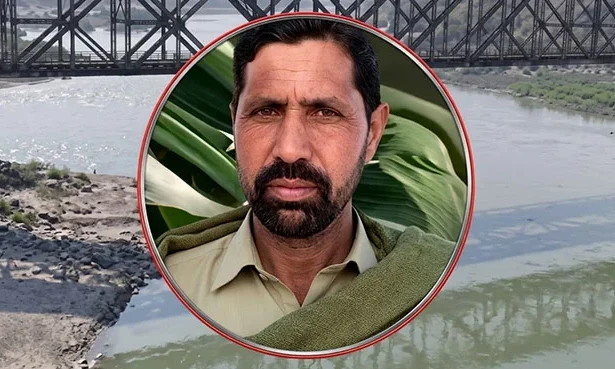
The military said four vehicles used by the group were destroyed during the operation, and that improvised explosive devices recovered at the site were neutralized. One soldier, Lance Havildar Muhammad Abbas, was killed while engaging the militants. The ISPR said clearance and sanitization operations were continuing in the area to address any remaining threats and protect local residents.
Senior officials responded to the operation. The Prime Minister’s Office said the prime minister paid tribute to the soldier killed and offered condolences to his family, while reaffirming the government’s resolve to counter terrorism. President Asif Ali Zardari and Interior Minister Mohsin Naqvi also commended the security forces, describing the operation as a significant result for national security.
Pakistan’s counterterrorism campaign in Balochistan continues
The ISPR linked the operation to “Azm-i-Istehkam,” a national counterterrorism campaign approved by the Federal Apex Committee on the National Action Plan. The military said operations under the campaign would continue across the country to address militancy.
The Basima operation is the latest in a series of actions reported in Balochistan in recent weeks. The military said that on June 5, security forces killed six militants during an intelligence-based operation in the Panjgur district. It also reported that 17 militants were killed during operations in the last week of May.
The term “Fitna al Hindustan” was adopted by the federal government last year, when it grouped various militant outfits operating in Balochistan under that designation. Officials have used the label to frame what they describe as externally sponsored militancy in the province. The military repeated that characterization in its account of the Basima operation, referring to those killed as part of an Indian-backed network.
Balochistan, Pakistan’s largest province by area, has seen heightened militant activity in recent years, along with Khyber Pakhtunkhwa province. Armed groups in the region have carried out attacks on security personnel, infrastructure, and other targets, and security forces have conducted repeated operations in response. Authorities have described these operations as part of a broader effort to reduce militant violence in the two provinces.
The military said the operation in Basima prevented the planned attacks before they could be carried out. It added that the swift response was intended to limit the threat to the police station and banks the group was reportedly targeting.
The figures and details in this report are drawn from the ISPR statement issued on June 8. The ISPR said sanitization operations in the area were ongoing as forces worked to secure the location. The military reiterated that its campaign against militancy would continue at what it called full pace, framing the Basima operation as one part of that wider effort.