

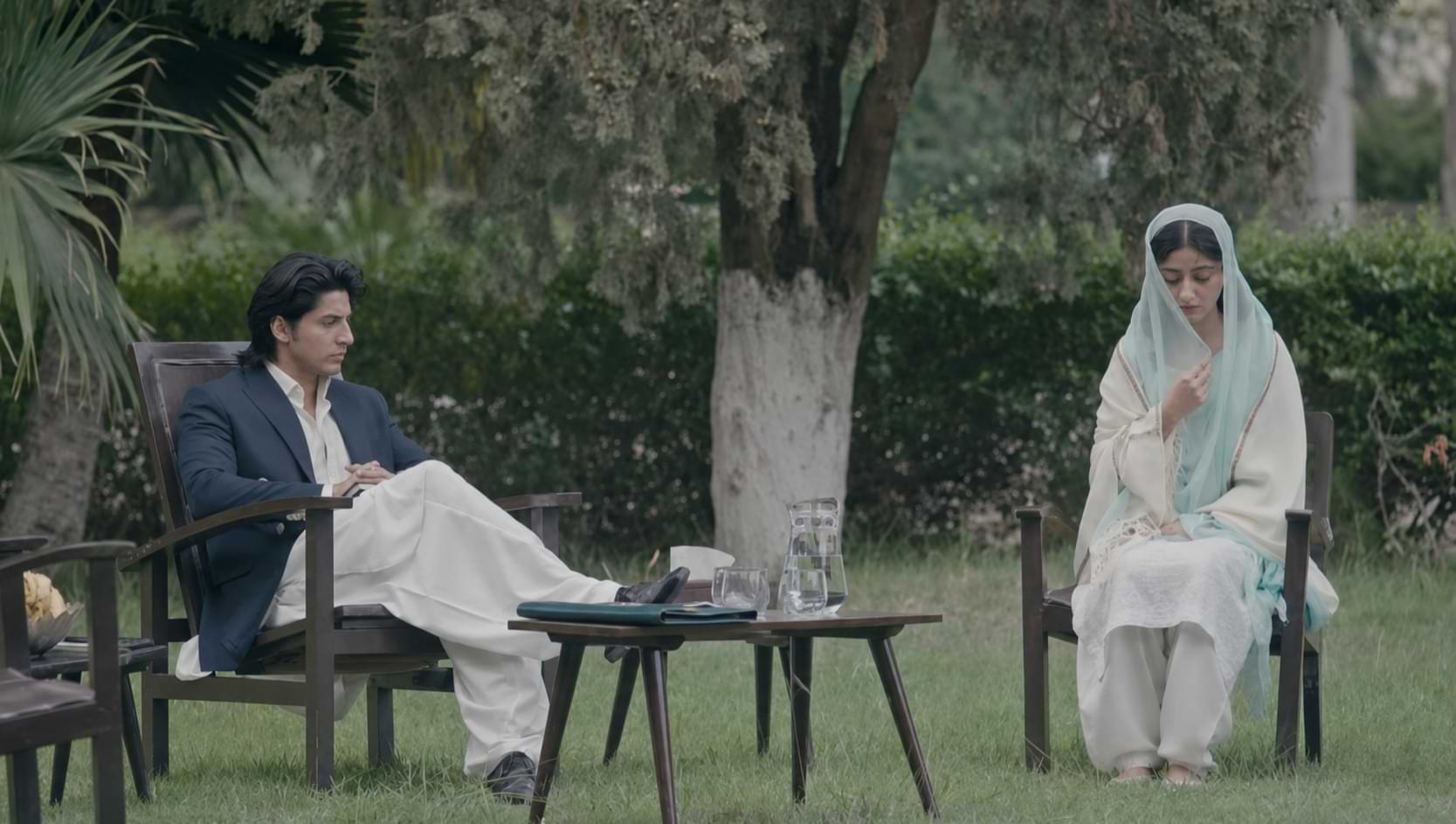
Sajal Ali and Danyal Zafar’s hit TV show “Zanjeerain” (aka Chains) is trending at the top again, and everyone and their uncle knows why. Armed with stellar performances from Sajal Ali and Danyal Zafar, the show’s remarkable twists and turns keep you hooked. Written by Farhat Ishtiaq and directed by Shehzad Kashmiri, the duo who previously gave us the iconic Yaqeen Ka Safar (The Journey of Faith), Zanjeerain is the talk of the town.
What Happened in Episodes 15 and 16:
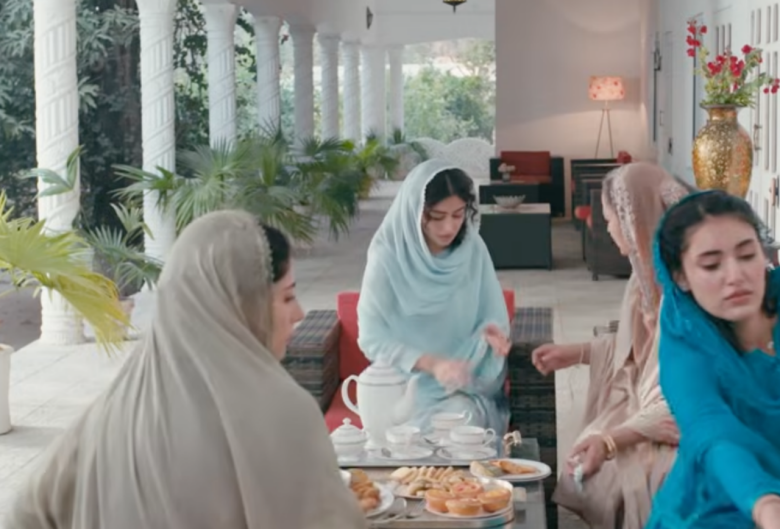
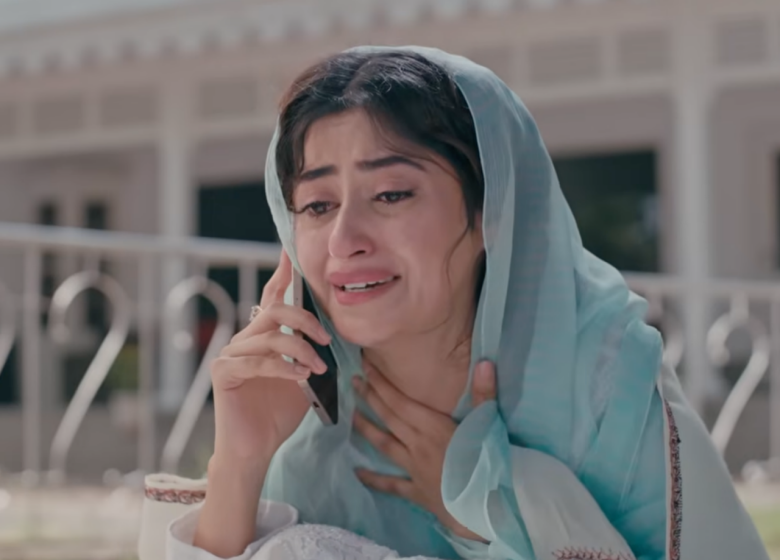
In the recent episodes (15 and 16), Zanjeerain continues to keep up its pace. (If you haven’t the foggiest about the plot, read it all here: Rabiya tells Sarbuland she wants to go back to her uncle and brother, who are living in Azad Kashmir. Sarbuland refuses and asks her to tell him who her enemy could be, but she refuses (why, though?). Rabiya finally gets to speak to her uncle on the phone after many months and breaks down while telling him the story. Bano gets over her insecurities and tries to be there for Rabiya as much as possible. It is also revealed that Torsam may not be the real perpetrator behind Sherdil’s death. In a flashback, we see Sarbuland remembering how he saw the “remains” of his brother when he arrived at the scene of the accident. Shireen, Sohrab’s family’s hired help, is indulging in petty thievery, and Sohrab’s wife is sad because Sohrab is distant and cold.
The Problems:
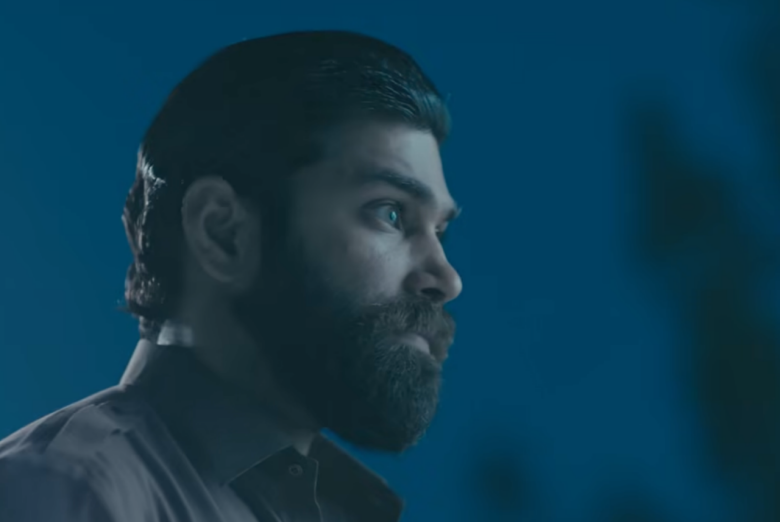
Rabiya’s iddat period becomes a bit confusing. How many months has it been? Why isn’t she telling Sarbuland who was harassing her and who finally murdered Mudassir? Why aren’t Rabiya’s uncle and brother more concerned about their darling sister/niece completely going AWOL? What’s with Bano repeatedly trying to convince Sarbuland he’s not “made” for chieftainship? How come Sohrab has only suddenly started having problems with Biya?
The Good News, the Best News:
Thanks to some incredible performances by Sajal Ali and Danyal Zafar, a gripping storyline, and a good pace, Zanjeerain has overcome its earlier flaws (somewhere between episodes 7 and 8, the show had begun to lag). Every scene is worth watching, and every moment is worth digging deep into.
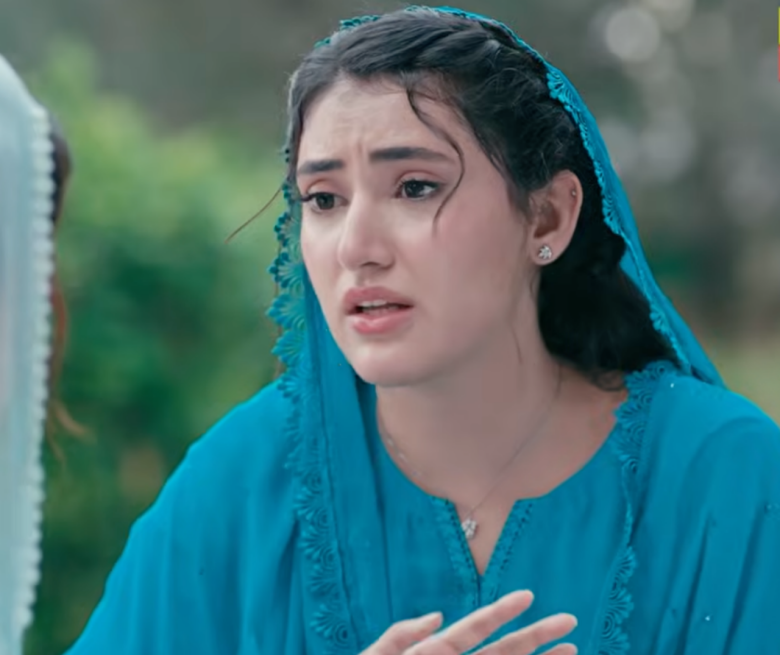
Sajal Ali plays Rabiya, showcasing various shades and stages of grief: her panic attacks during the night, her tendency toward self-harm as she grapples with guilt, and her subdued, quiet moments that give way to slight, soft smiles as Bano recalls how Mudassir, Sarbuland, and she used to play together when they were children.
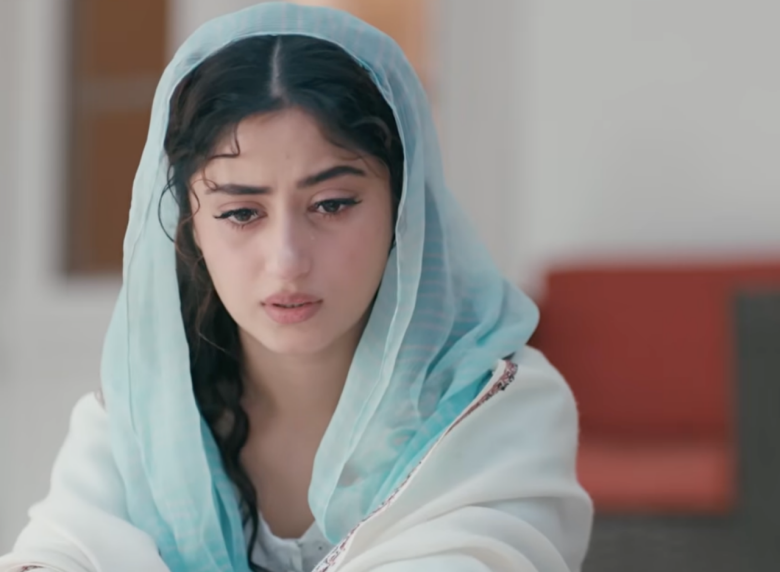
Sajal Ali proves that she is miles ahead of her contemporaries (and predecessors, too) when it comes to emotional breakdowns and bringing intensity and commitment to her role. As Biya, she completely becomes the frightened yet dignified young woman struggling to survive a tragedy. Almost stripped of makeup and most forms of glamor, Sajal Ali’s realistic and relatable portrayal of a young woman refusing to compromise and struggling to survive is what heroines in Pakistani dramas truly represent at their best.
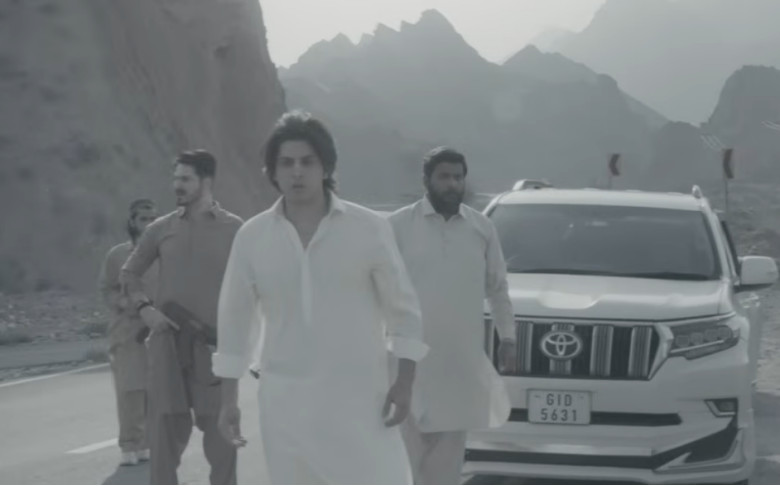
In a small flashback sequence, we see Sarbuland (Danyal Zafar) recall the death of Sherdil (Ahsan Khan). As Sarbuland exits his vehicle and moves toward the debris under which Sherdil is buried, he goes through various stages of grief himself. Danyal disappears into the role and breaks down spectacularly.
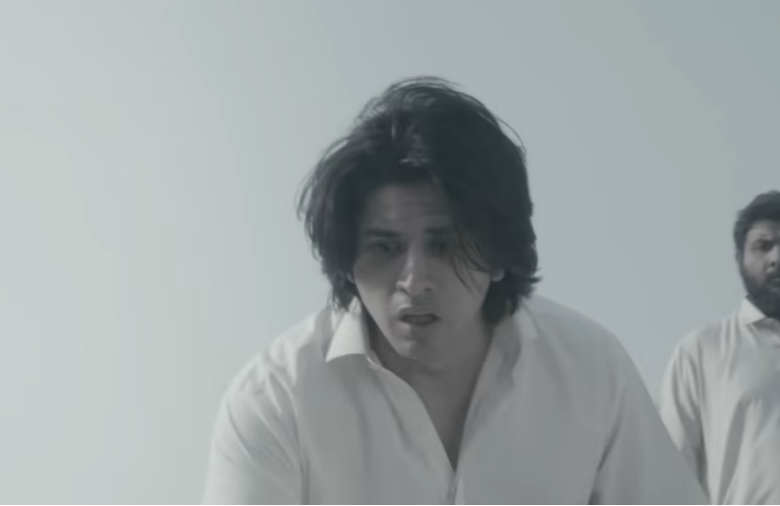
From the young boy of the household to the chief of the tribe, you can see his metamorphosis finalizing as he screams into the void, grieving the untimely and tragic death of his brother. Danyal Zafar aces the performance and cements himself as one of the top talents to watch in the new lot of onscreen heroes.
What’s Next:
Sarbuland and Rabiya’s parallels draw closer. The next episode’s teaser offers more foreshadowing of something terrible happening to Bano. It should only get more engaging from here onward.
We had no doubt that Farhat Ishtiaq pens beautiful stories, but with Zanjeerain, she reminds us why her stories resonate and become memorable. The lead protagonists, regardless of what they go through, never lose their moral compass. They are aspirational and inspiring for audiences because they never back down from their true natures, which are always rooted in positivity, dignity, humanity, and respect.
Even Bano, a relatively fledgling character who seemed to have a ton of issues with Biya, learns to deal with her personal struggles and becomes a better person.
Shehzad Kashmiri uses drone shots to showcase the magnitude of the story and how far it spans. Everyone is styled appropriately, and Kalabagh Resort, the majestic haveli that serves as Khan’s house, adds mystery, depth, and character to the story.
Verdict:
That’s the power of a good show: it gives you hope. People can be better. You can find good people, and sure, there are terrible people, but let’s try to understand why that happens, too. Zanjeerain also proves the power of a good Pakistani drama; it grips audiences with powerful and relatable storytelling, excellent performances, and intelligent direction.
Overall, Zanjeerain continues to keep audiences under its spell. Everyone is waiting to see how this exciting story will unfold in the next few weeks.