

Pakistan has ended two remittance incentive schemes, but sending money home stays free for overseas Pakistanis.
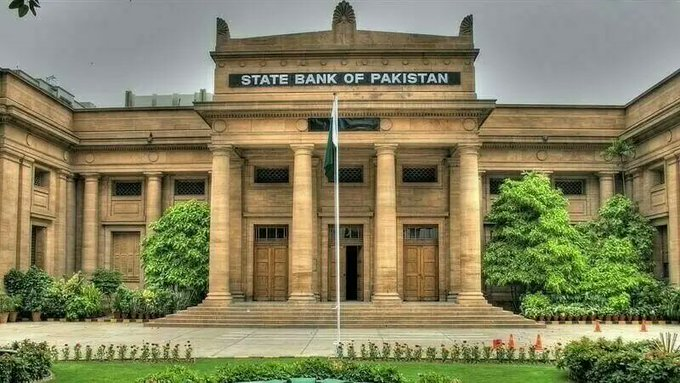
The State Bank of Pakistan has ended two incentive schemes that supported remittance providers, a change that took effect on July 1, 2026. For the millions of overseas Pakistanis who send money home, the immediate question is whether transfers will now cost more. Based on the central bank’s own directives, transfers remain free for customers. What changes sits within Pakistan’s banking system, not at the point where customers send money.
Two programmes have been discontinued. The Telegraphic Transfer Charges Incentive Scheme, or TTCIS, previously reimbursed banks, exchange companies, and authorised dealers for eligible telegraphic transfer charges. That arrangement kept qualifying remittance transactions free for both senders and recipients. The Sohni Dharti Remittance Programme, which rewarded overseas Pakistanis for using formal channels, has also ended.
The zero-fee structure for customers remains. The State Bank has instructed participating institutions to keep offering eligible remittance services without charging either the sender or the beneficiary. The reimbursement that banks used to receive from the central bank is gone, while the free service for customers stays in place.
For anyone holding Sohni Dharti reward points, there is a transition window. Points earned on eligible remittances up to June 30, 2026, can still be redeemed until June 30, 2027, after which the programme closes permanently.
Why the SBP ended the remittance schemes
The central bank did not give a detailed reason for the decision. According to Pakistan’s Dawn newspaper, banking sources said the cost of maintaining the schemes had risen sharply as remittance inflows reached record levels. The growing expense drew criticism during discussions with the International Monetary Fund, which had questioned the incentive payments being made even as remittance volumes climbed. The TTCIS dated back to the early 1980s, and some experts consider it outdated now that digital banking has lowered the cost of processing international transfers.
Pakistan’s banking industry has raised concerns about absorbing costs the central bank previously covered. Bank Alfalah CEO Atif Bajwa said the decision would affect banks’ profitability, while Pakistan Banks Association Chairman Zafar Masud said banks are discussing how to finance remittance inflows going forward.
Banking experts quoted by Dawn expect limited impact, noting that the sector remains among the country’s most profitable, earning around 640 billion rupees in 2025. Incentives under the Pakistan Remittance Initiative also remain unchanged, so banks continue receiving support linked to the volume of remittances they process.
What overseas Pakistanis should keep in mind
For Pakistani expatriates in the UAE, one of the largest remittance corridors, the position remains straightforward. Ali Al Najjar, CEO of Al Ansari Exchange, said the company does not anticipate any impact on customers’ remittance costs and expects overseas Pakistanis to keep using established channels, including digital platforms.
Workers’ remittances remain one of Pakistan’s largest sources of foreign exchange, supporting household incomes and the country’s reserves. Pakistan received around 40 billion dollars in remittances during the 2025 fiscal year, and experts expect inflows to rise to between 41 and 42 billion dollars in 2026, supported by continued labour migration to Gulf countries. State Bank Governor Jameel Ahmad has said remittances are expected to keep increasing despite the end of the two schemes.
Eligible transfers sent through formal banking and exchange company channels continue without charges to the sender or recipient. Banks are adjusting to operating without the discontinued reimbursements. The State Bank has said remittances are expected to keep rising through 2026.