

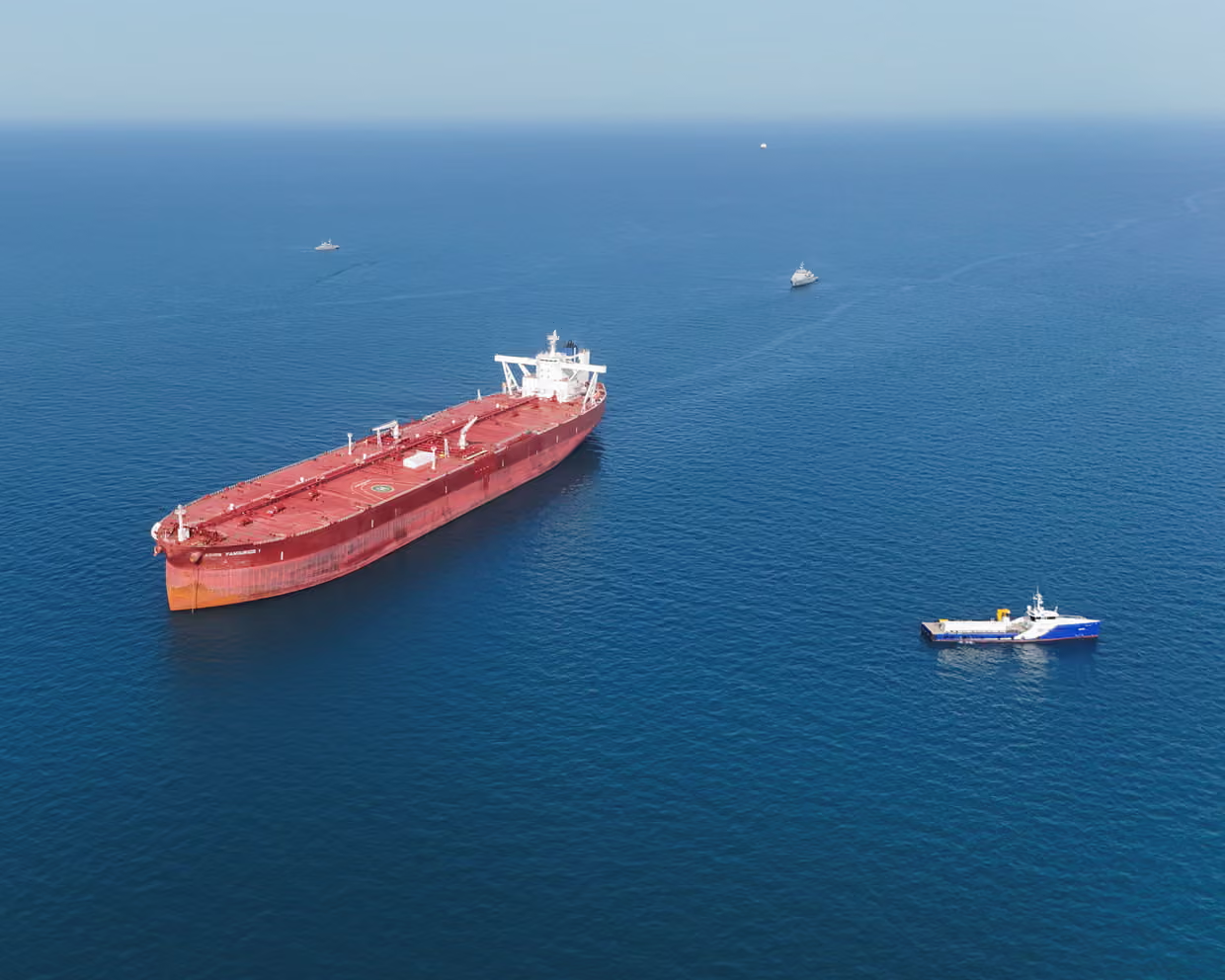
The Strait of Hormuz, one of the world’s most critical oil shipping routes, is once again operating under restrictions following a brief reopening in mid-April 2026. The latest developments come amid continued tensions between Iran and the United States, particularly over maritime security and a U.S.-led naval blockade targeting Iranian-linked shipping.
Reimposition of Restrictions
On April 17, 2026, Iranian authorities announced that the Strait of Hormuz had been reopened to commercial traffic after a period of severe disruption. However, within 24 hours, Iran reversed course and reimposed restrictions. This decision followed the continuation of the U.S. naval blockade, which Iran cited as a key factor in tightening control over the waterway.
Officials in Iran stated that transit through the strait would now be subject to renewed oversight and conditions. While not completely closed, the waterway is no longer functioning as a fully open international shipping lane. Vessel movement is being regulated, and access may vary depending on evolving conditions.
Impact of the U.S. Naval Blockade
The United States has maintained a naval presence in and around the Strait of Hormuz as part of a broader strategy to limit Iranian maritime activity. This includes monitoring vessels, intercepting certain ships, and, in some cases, turning them back. The blockade specifically targets shipping linked to Iran, particularly in response to regional security concerns and ongoing geopolitical tensions.
The continuation of this blockade has played a central role in shaping Iran’s response. By reimposing restrictions on the strait, Iran has asserted control over a chokepoint that is vital to global energy markets. The situation reflects a direct connection between military actions at sea and access to international trade routes.
Disruption to Global Shipping
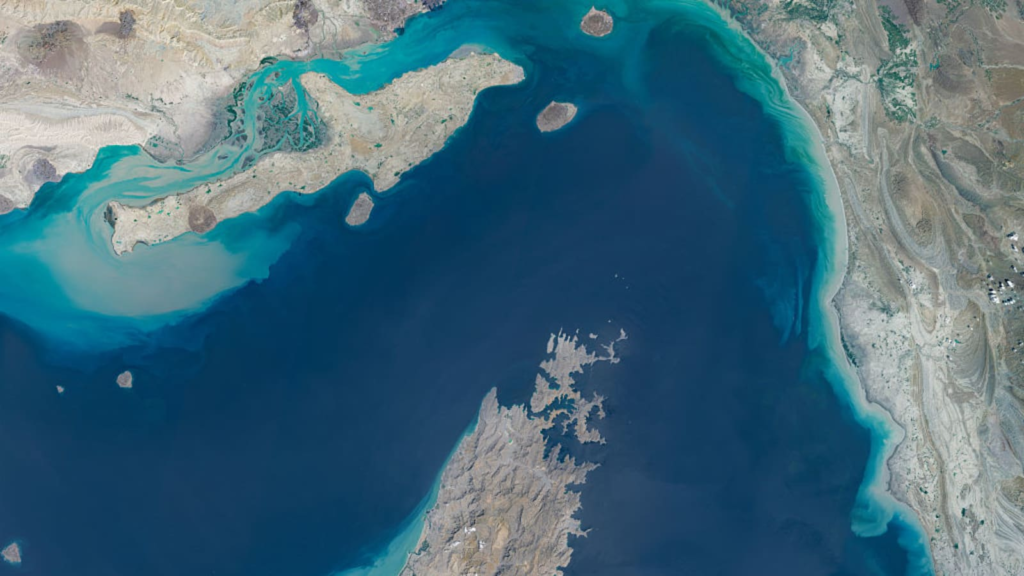
The Strait of Hormuz is a narrow passage connecting the Persian Gulf to the Arabian Sea, and it is responsible for the transit of approximately one-fifth of the world’s oil supply. Any disruption in this corridor has immediate implications for global energy distribution.
Since late February 2026, shipping traffic through the strait has declined significantly due to escalating tensions, security threats, and operational uncertainties. Some vessels have delayed transit, rerouted journeys, or avoided the area entirely. Even during the brief reopening on April 17, shipping activity did not return to normal levels.
With restrictions now back in place, the flow of oil and other goods remains uneven. Tanker tracking data and maritime reports indicate that while some ships continue to pass through, others are either waiting for clearance or diverting to alternative routes.
Operational Conditions in the Strait
Under the current conditions, transit through the Strait of Hormuz is subject to multiple constraints. These include possible inspection requirements, route limitations, and heightened security risks. Maritime advisories have also warned of potential hazards, including the risk of naval mines in certain sections of the waterway.
As a result, the strait is functioning in a controlled and unpredictable manner. Shipping companies and insurers are closely monitoring developments, and many have adjusted operations to account for the elevated risk environment.
Broader Context of the Crisis
The current situation is part of a broader escalation often referred to as the 2026 Strait of Hormuz crisis. This period has been marked by a series of incidents, including attacks on vessels, military deployments, and diplomatic confrontations between regional and global powers.
The interplay between Iran’s control over the strait and the U.S. naval blockade has created a situation in which access to the waterway can change rapidly. Announcements regarding its status, whether open, restricted, or potentially closed, have shifted within short timeframes, reflecting the volatile nature of the crisis.
As of April 18, 2026, the Strait of Hormuz remains operational but restricted. It is neither fully closed nor fully open, and its status continues to evolve in response to military and political developments. The reimposition of restrictions by Iran, following the continuation of the U.S. blockade, underscores the sensitive nature of this vital maritime corridor.
Given its role in global oil transport, any change in the strait’s accessibility carries significant implications. For now, the situation remains fluid, with shipping activity continuing under constraints and uncertainty prevailing across one of the world’s most strategically important waterways.