


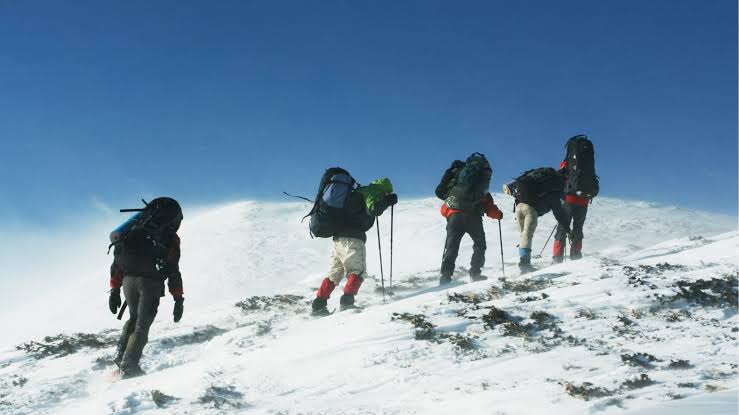
The towering peaks of Pakistan’s Karakoram Range have long inspired adventurers from around the world. They come seeking challenge, beauty and personal triumph, fully aware that the world’s highest mountains demand the ultimate respect. In late July 2026, Broad Peak—Pakistan’s 8,051-metre giant—became the site of one of the deadliest mountaineering disasters in the country’s recent history when a massive avalanche swept away an international expedition, claiming the lives of ten climbers.
The tragedy claimed lives from six nations, reminding the world that mountains recognize no borders. The victims included legendary Nepal-born British mountaineer Nirmal “Nims” Purja, Pakistan’s experienced high-altitude guide Sohail Sakhi, Oman’s pioneering climber Nathira Ahmed Al Harthy, American mountaineer Mallory Geis, Chinese climber Wang Zhong, and five accomplished Nepali climbers and guides: Pur Bahadur Gurung, Nima Sherpa, Kili Pemba Sherpa, Gyalu Sherpa, and Nawang Thindu Sherpa.
Among them, Nirmal Purja stood as one of the greatest mountaineers of his generation. A former member of the British Army’s Special Boat Service, he stunned the climbing world in 2019 by summiting all fourteen of the world’s 8,000-metre peaks in just 189 days, shattering the previous record. His achievements, documented in the acclaimed film 14 Peaks: Nothing Is Impossible, inspired countless climbers to dream bigger while promoting Nepal’s mountaineering heritage on the global stage.
Oman’s Nathira Ahmed Al Harthy was equally inspirational. One of her country’s leading female mountaineers and among the first Omani women to conquer Mount Everest, she became a symbol of perseverance and broke barriers for aspiring women climbers across the Gulf. Her determination extended beyond summits, encouraging others to believe that seemingly impossible goals could be achieved.
https://www.instagram.com/reels/DbiLGTfz_CF/
American climber Mallory Geis was known for her passion for exploration and love of the mountains. Chinese climber Wang Zhong had earned respect within the international climbing community for tackling some of the world’s most demanding peaks. Pakistan’s Sohail Sakhi, meanwhile, had spent years guiding climbers through the Karakoram, combining technical expertise with an intimate knowledge of the country’s rugged landscape. Friends and colleagues remembered him as both a skilled professional and a generous mentor.
The five Nepali Sherpas who perished—Pur Bahadur Gurung, Nima Sherpa, Kili Pemba Sherpa, Gyalu Sherpa and Nawang Thindu Sherpa—represented the often-unsung backbone of Himalayan mountaineering. Sherpa guides carry equipment, establish routes, fix ropes and repeatedly risk their lives to help others fulfil their dreams. Their expertise has made countless successful expeditions possible, yet their sacrifices often receive far less recognition than those they guide.
The avalanche on Broad Peak is a solemn reminder that even the world’s most experienced climbers remain vulnerable to nature’s immense power. Yet these ten mountaineers will be remembered not for the tragedy that claimed them, but for lives defined by courage, resilience and an enduring passion for the mountains. Their legacy lives on in every climber who looks toward the snow-covered summits of the Karakoram and dares to dream.


