


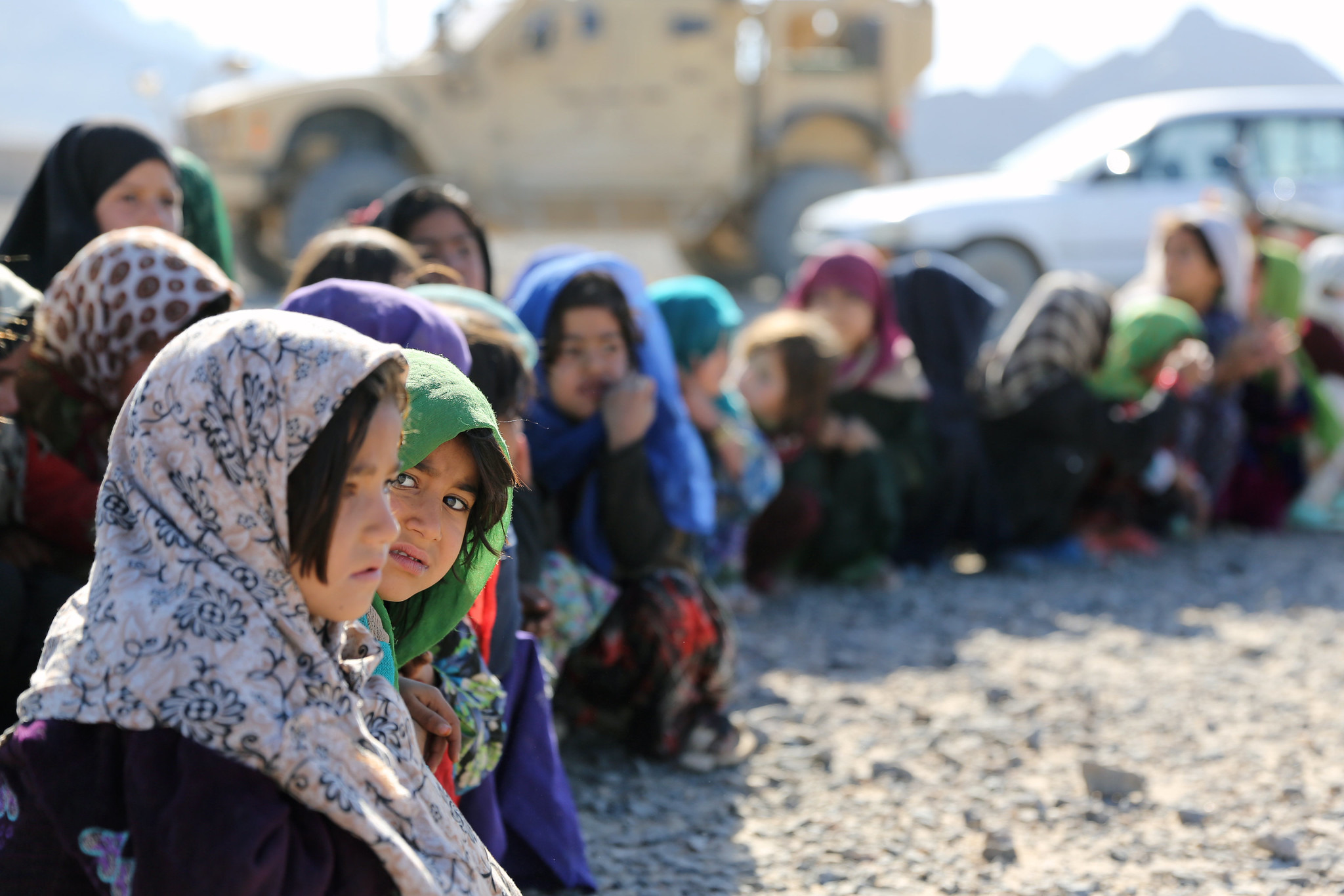
Pakistan has sheltered one of the world’s largest refugee populations since 1979, offering refuge across more than forty years.
For more than four decades, Pakistan has been home to generations of Afghans who crossed the border to seek safety from war and upheaval. What began as an emergency response to the Soviet invasion of Afghanistan in December 1979 grew into one of the longest-running refugee situations anywhere in the world. Families arrived, settled, raised children, and in many cases watched those children grow up knowing no other home. The scale of what Pakistan took on, and sustained for so long, is difficult to overstate.
To manage the arrivals, the government established the Commissionerate for Afghan Refugees in 1979, with a branch in every province and a Chief Commissionerate in Islamabad, all operating under the Ministry of States and Frontier Regions, known as SAFRON. That structure has administered the Afghan refugee presence for more than forty years, working alongside the UN refugee agency on registration and repatriation. Its records offer the clearest official picture of how many Afghans Pakistan hosts today.
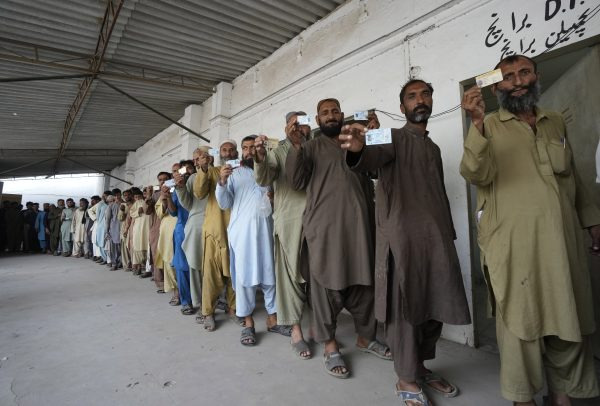
According to the Chief Commissionerate for Afghan Refugees, the Pakistani government body that manages the population, the country still hosts a large Afghan community documented across several categories. The official figures break down as follows:
– 1.42 million registered refugees holding Proof of Registration cards, the document that grants legal recognition and access to services.
– 0.84 million newly documented Afghans holding Afghan Citizen Cards.
– 0.5 million estimated unregistered Afghans also residing in the country.
– Around 68 percent of registered Afghans live in urban and rural areas rather than in formal camps.
Taken together, those numbers point to well over two and a half million Afghans living in Pakistan. The Proof of Registration cards were issued and updated through a joint verification exercise carried out by SAFRON, the Chief Commissionerate, and the UN refugee agency, with technical support from Pakistan’s National Database and Registration Authority. The high share living outside camps is a sign of how deeply the community has become part of everyday Pakistani life over the decades, woven into neighborhoods, markets, and workplaces across the country.
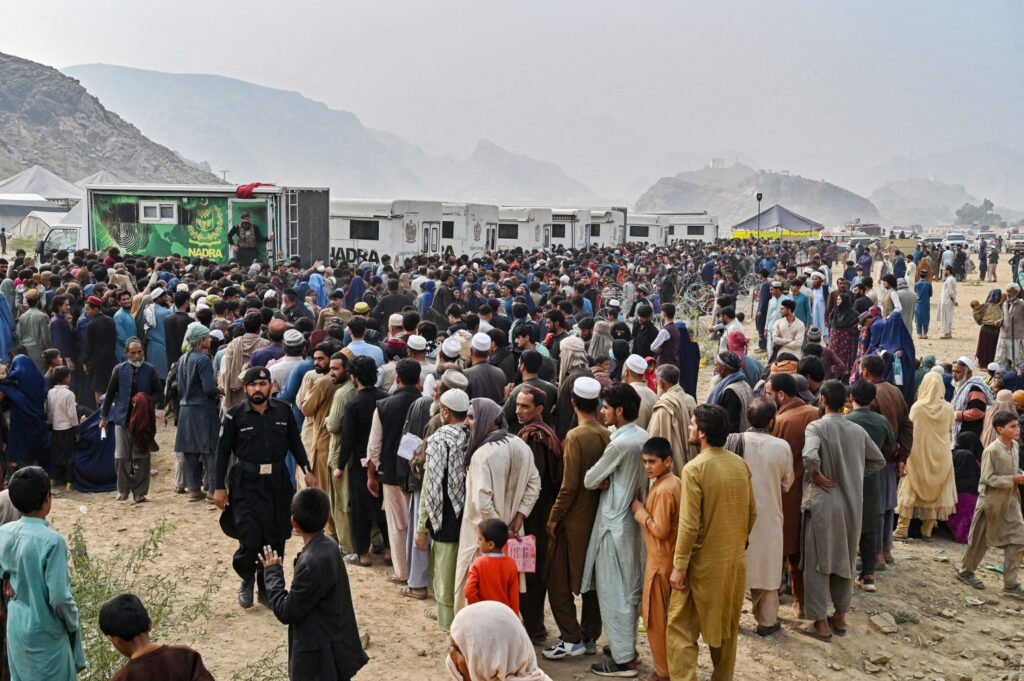
Why hosting millions of Afghans became a decades-long commitment
The situation lasted so long because the instability in Afghanistan continued across generations. The first wave arrived with the Soviet invasion in 1979, and further arrivals followed with the civil conflict of the 1990s, drought around 2000, and the events of 2021 that returned the Taliban to power in Kabul. Each time, Pakistan welcomed more people. For years it ranked among the largest refugee-hosting nations on earth, a role it filled despite never signing the 1951 Refugee Convention, the main international treaty governing refugee status.
Return movements have increased in recent years. Islamabad began a nationwide repatriation program in late 2023, initially involving undocumented foreigners and later extending to cardholders. Registered refugees are being repatriated voluntarily under a tripartite agreement, facilitated through the UN refugee agency’s voluntary repatriation program. The government has said the policy reflects the security and economic considerations that come with hosting a large population over many years.
The largest communities of registered Afghans remain in the provinces bordering Afghanistan, particularly Pakistan’s northwestern province of Khyber Pakhtunkhwa and the southwestern province of Balochistan. As returns continue, the United Nations and humanitarian groups have encouraged care over the pace of the process and attention to the circumstances of those going home to a country still rebuilding.
Across more than forty years, Pakistan offered refuge to millions of Afghans through successive waves of conflict, sharing its schools, clinics, and cities with people who had nowhere else to turn. It remains one of the most enduring examples of refugee hosting in modern times, and a chapter of regional history that shaped both countries for generations.