With temperatures expected to climb as high as 47°C in Makkah this year, here is everything pilgrims need to know about Hajj 2026.
- Hajj 2026 Key Dates and Day-by-Day Schedule
- Hajj 2026 Registration Through the Nusuk Platform
- Hajj Visa Requirements for 2026
- Hajj Package Tiers and Costs
- Weather Warning: Extreme Heat Expected in 2026
- Essential Packing List for Hajj 2026
- What Pilgrims Should Know About the Nusuk Card
- Crowd Management and Safety in 2026
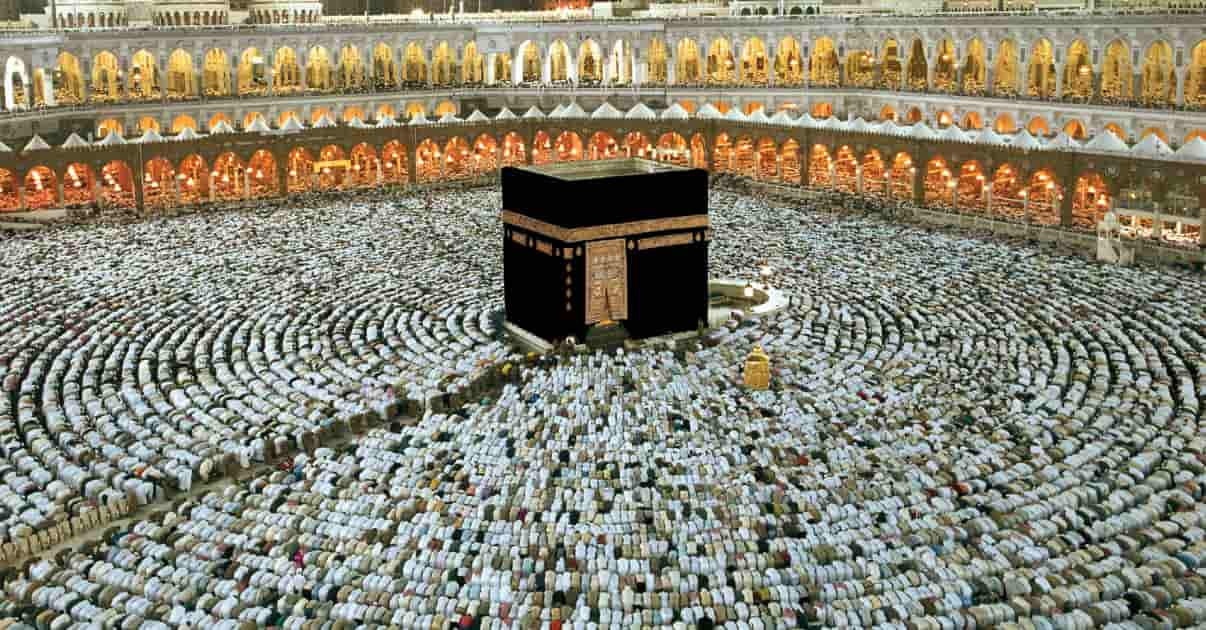
Hajj 2026 has officially begun, with over 860,000 foreign pilgrims already arrived in Saudi Arabia and more flying in daily ahead of the pilgrimage’s peak rituals. Saudi authorities expect approximately 1.5 million international pilgrims this year, supported by 52,000 healthcare workers, full 5G network coverage, and 2.3 million beds across Makkah and Madinah.
The pilgrimage takes place from Monday, May 25 to Saturday, May 30, 2026, corresponding to 8 to 13 Dhul Hijjah 1447 AH. The Day of Arafah falls on Tuesday, May 26, and Eid Al Adha begins on Wednesday, May 27.
This guide covers the dates, the rituals, the registration process, packing essentials, weather warnings, and the spiritual preparation every pilgrim should make before the journey of a lifetime.
Hajj 2026 Key Dates and Day-by-Day Schedule
- Monday, May 25 (8 Dhul Hijjah): Yawm al-Tarwiyah. Pilgrims enter Ihram and travel from Makkah to Mina.
- Tuesday, May 26 (9 Dhul Hijjah): Day of Arafah. Wuquf at the plain of Arafah, followed by the night spent at Muzdalifah.
- Wednesday, May 27 (10 Dhul Hijjah): Eid Al Adha. Stoning of Jamarat al-Aqabah, animal sacrifice, and Tawaf al-Ifadah at Makkah.
- Thursday, May 28 (11 Dhul Hijjah): Stoning of all three Jamarat pillars at Mina.
- Friday, May 29 (12 Dhul Hijjah): Stoning of all three Jamarat at Mina. Optional departure for pilgrims.
- Saturday, May 30 (13 Dhul Hijjah): Final stoning at Mina, followed by Tawaf al-Wada at Makkah before departure.
Hajj 2026 Registration Through the Nusuk Platform
Since 2023, Saudi Arabia has centralised Hajj registration for international pilgrims through Nusuk, the official digital platform managed by the Saudi Ministry of Hajj and Umrah. For Hajj 2026, Nusuk remains the sole gateway for pilgrims from approximately 126 countries, including the United States, United Kingdom, Canada, Australia, and most of Europe.
Pilgrims from countries with their own national Hajj programmes, such as Pakistan, India, Indonesia, Bangladesh, and Egypt, register through their national Hajj committees or ministries, though Nusuk integration is now widely used for permit issuance and on-ground services.
Hajj Visa Requirements for 2026
The Hajj visa itself is free of charge, but it can only be obtained as part of an officially approved Hajj package. Standalone Hajj visas are not issued. Key requirements include:
- A valid passport with at least six to eight months of validity beyond the travel date
- Mandatory meningococcal ACWY vaccination, administered at least ten days before arrival and valid for three years
- Polio vaccination for pilgrims from endemic countries including Pakistan, Afghanistan, and Nigeria
- Yellow fever vaccination for pilgrims from endemic zones
- A valid Health Competence Certificate confirming fitness for pilgrimage
- A recent passport-size photograph
- Minimum age of 12 years
Pilgrims with severe chronic illnesses such as advanced liver cirrhosis, kidney failure, or active cancer are not permitted to perform Hajj. Priority is generally given to those who have not performed Hajj in the past five years.
Women may now perform Hajj without a male guardian (mahram) when registered within an approved Safe Group through the Nusuk platform, a policy formalised in recent years.
Hajj Package Tiers and Costs
Saudi Arabia’s Nusuk platform offers five officially verified package tiers for international pilgrims, ranging from standard accommodation in three-star hotels or residential buildings to premium options with luxury hotels close to the Haram.
Costs vary significantly by country of origin, package level, and accommodation type. Approximate ranges include:
- Pakistan: PKR 1,400,000 to 1,700,000 (approximately USD 5,000 to 6,100)
- United Kingdom: GBP 7,000 to 15,000+ depending on tier
- United States and Canada: USD 9,000 to 25,000+ depending on tier
All packages include accommodation, Mashair transport, full-board catering, tent accommodation in Mina and Arafah, and guided services. Booking through unauthorised channels can result in visa rejection and forfeited payments.
Weather Warning: Extreme Heat Expected in 2026
Saudi Arabia’s National Centre for Meteorology has issued a serious warning ahead of Hajj 2026. Temperatures across Makkah and the holy sites are expected to range between 44°C and 47°C during the day, with nighttime lows between 28°C and 31°C. Humidity is forecast to fluctuate between 10 and 40 per cent, with south-westerly to north-westerly winds at 15 to 40 km/h carrying dust and sand, especially during daytime.
This is one of the most heat-critical Hajj seasons of the decade. The 2024 Hajj saw 1,301 pilgrim deaths attributed largely to heat, with temperatures reaching 51.8°C. Saudi Arabia has invested heavily in cooling infrastructure since then. Shaded and cooled areas at Arafah have now been expanded to more than 272,000 square metres, five times the 2024 footprint. New misting fans, cooling units, and shading canopies have been installed around Jabal Al-Rahmah, and technology umbrellas have been introduced at Masjid Namira.
The Day of Arafah, 9 Dhul Hijjah, remains the highest-risk day due to open exposure and prolonged outdoor standing.
Essential Packing List for Hajj 2026
Smart packing is critical. Pilgrims walk between 5 and 15 kilometres per day across the holy sites, and the heat makes every choice matter.
Clothing
- Two to three sets of Ihram (men), made of thicker terry cloth or cotton that does not become transparent when wet
- Loose, light-coloured abayas or modest clothing (women), preferably cotton or linen
- Comfortable, waterproof, open sandals broken in at least two weeks before departure
- One extra pair of flip-flops for hotel and bathroom use
- Light cardigan or shawl for cool nights in Muzdalifah and air-conditioned interiors
- Plenty of moisture-wicking undergarments and socks
Health and Heat Essentials
- A white umbrella (one of the most-cited essentials by the Saudi Ministry of Health)
- Reusable insulated water bottle of at least one litre
- Electrolyte sachets or ORS tablets
- SPF 50+ unscented sunscreen (scented products invalidate Ihram)
- Vaseline or anti-chafing balm for thighs and underarms
- Cooling towel
- Blister plasters and moleskin
- Prescribed medications in original packaging with a doctor’s note, enough for the full trip plus five extra days
- Paracetamol, ibuprofen, anti-diarrhoea medication
- Sanitary products and disposal bags (women)
Documents and Safety
- Passport, visa, and Hajj permit
- Vaccination certificates
- Multiple printed photocopies of all documents
- Saudi riyals in cash plus a debit or credit card
- Waterproof neck pouch or waist belt for documents and money
- Power bank and universal adapter (Saudi Arabia uses Type G sockets)
- Save the Saudi emergency number 997 in your phone
Worship and Spiritual
- Small Quran or Quran app
- Compact prayer mat
- Dua book
- Tasbih beads
- Notebook for reflections and personal duas
Items prohibited or restricted while in Ihram include scented soaps, shampoos, deodorants, lotions, and perfumes. Pack only unscented toiletries to avoid invalidating the Ihram state.
What Pilgrims Should Know About the Nusuk Card
The Nusuk Card has become the central identification and permit system for Hajj 2026. It integrates accommodation, transport, and access services through a unified digital platform. Carrying and activating the card is now mandatory for entry into Makkah, the holy sites, and the Prophet’s Mosque in Madinah, including Al-Rawdah Al-Sharifah.
The Saudi Ministry of Hajj and Umrah has also launched smart sensor systems in Mina linked directly to the Nusuk Card, enabling real-time monitoring of pilgrim movement during Hajj for the first time.
Crowd Management and Safety in 2026
Saudi Arabia has deployed AI-powered crowd management systems, drone surveillance, and over 50,000 inspection tours since mid-Shawwal to enforce service standards and pilgrimage regulations. The Hajj Without Luggage initiative has reduced airport processing times from two hours to approximately 15 minutes by allowing pilgrims to ship baggage directly to their accommodations.
Important safety reminders for pilgrims:
- Do not attempt Hajj on an Umrah visa. The deadline for Umrah departure was April 18, 2026. Overstaying carries fines of up to SAR 50,000, up to six months imprisonment, and deportation.
- Always carry your Nusuk Card and identification
- Stay with your registered group and follow group leader instructions
- Save 997 in your phone for emergency medical assistance
- Hydrate constantly. Do not wait until you feel thirsty
- Use the umbrella, especially on the Day of Arafah
- Recognise the signs of heatstroke: confusion, dry skin, rapid heartbeat, nausea. Seek medical help immediately.
For most Muslims, Hajj is the culmination of years of saving, dreaming, and praying. The physical preparation matters. The financial preparation matters. But more than anything, the spiritual preparation matters most. Every step from the moment a pilgrim says Labbayk Allahumma Labbayk, here I am O Allah, here I am, is a step taken in the footsteps of Prophet Ibrahim, peace be upon him, and walked alongside fifteen hundred million Muslims across history who have answered the same call.
For those performing Hajj this year, may Allah accept the journey, ease every difficulty, and return them home with the reward promised to every accepted pilgrim.
Stay tuned for more updates!