

Pakistan and Russia have signed agreements to step up cooperation against illegal immigration and drug trafficking.
Pakistan and Russia have signed a set of agreements to deepen security cooperation, with a focus on illegal immigration and drug trafficking. The deals were signed in Bishkek, the capital of Kyrgyzstan, on Saturday, June 6.
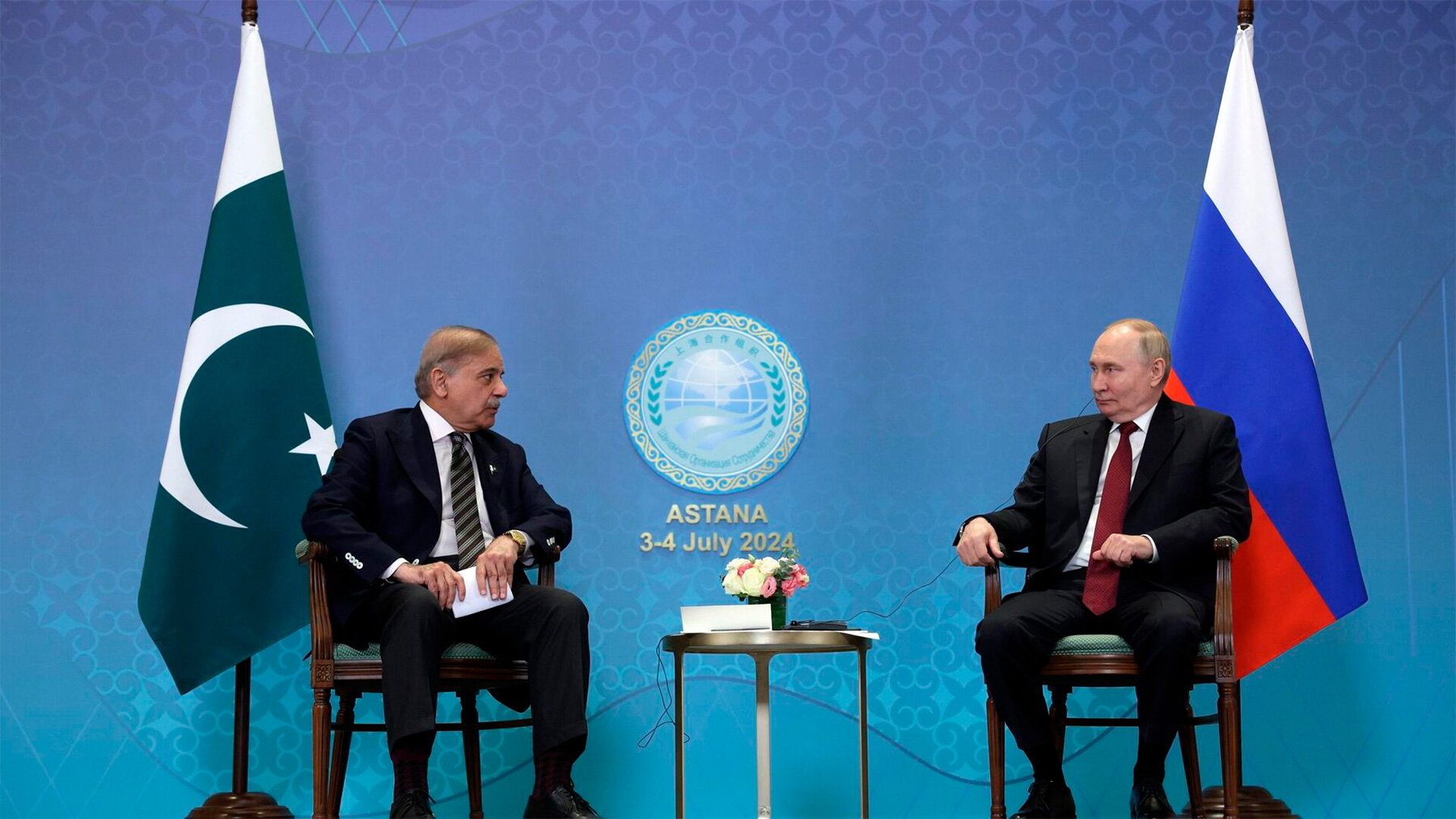
Pakistan’s Federal Interior Minister Mohsin Naqvi and his Russian counterpart, Vladimir Kolokoltsev, signed the accords on the sidelines of a Shanghai Cooperation Organisation meeting. According to Pakistan’s interior ministry, the agreements aim to strengthen joint action on border crime, migration, and narcotics. The signing came during a special gathering of interior and public security ministers from SCO member states.
The agreements center on three areas. The first deals with illegal immigration. Both sides committed to closer coordination to limit the movement of people across their borders without legal status.
The second covers repatriation. Pakistan and Russia agreed to work together on returning citizens who are living illegally in either country. For Pakistan, that touches directly on the flow of workers abroad and the rules that govern them.
The third targets narcotics. The two countries pledged to expand cooperation against drug trafficking and drug-related crime. Both share concern over the routes that move narcotics across the region.
Drug Trafficking and the Afghanistan Border Concern
Much of the regional concern traces back to Afghanistan. Afghanistan remains one of the world’s largest sources of opium and heroin, and the drugs often move out through Central Asia and Pakistan. For Russia, cutting those routes is a long-standing priority. For Pakistan, the same trafficking networks feed instability along its western border, where smuggling and militancy often overlap.
Naqvi raised these concerns in his other meetings too. In talks with Tajikistan’s Interior Minister Ramazon Rahimzoda, the two discussed the security situation in Afghanistan. They pointed to terrorist groups, training camps, and narcotics production there as threats to regional peace, and agreed that closer coordination is needed.
Pakistan has long said that militancy and drug flows from across its western frontier drive much of its internal security problem. Agreements like the one with Russia fit into how Islamabad is trying to manage that pressure.
Pakistan’s Wider SCO Security Meetings in Bishkek
The Russia deal was one of several Naqvi worked on in Bishkek. He held separate talks with the interior ministers of Tajikistan, Uzbekistan, Kyrgyzstan, and Kazakhstan. The meetings covered counterterrorism, law enforcement cooperation, and the shared challenges tied to Afghanistan.
With Uzbekistan’s Interior Minister Aziz Tashpulatov, the focus was on cooperation between law enforcement agencies, including joint training programs. With Kazakhstan’s Interior Minister Yerzhan Sadenov, the two sides agreed to set up a joint working group between their interior ministries to coordinate on illegal immigration.
Naqvi also congratulated Kyrgyzstan on its recent election as a non-permanent member of the United Nations Security Council, and thanked the country for hosting the meeting.
The SCO brings together a number of Eurasian states on security and economic matters, and the bloc has been pushing members toward more coordinated action. Terrorism, narcotics, and irregular migration are concerns shared across Central and South Asia, and the Bishkek meeting reflected that common ground.
The deals point to closer ties between Islamabad and Moscow on the issues both governments call priorities, including secure borders, controlled migration, and a tougher line on the drug trade.
Stay tuned for more updates and news!