


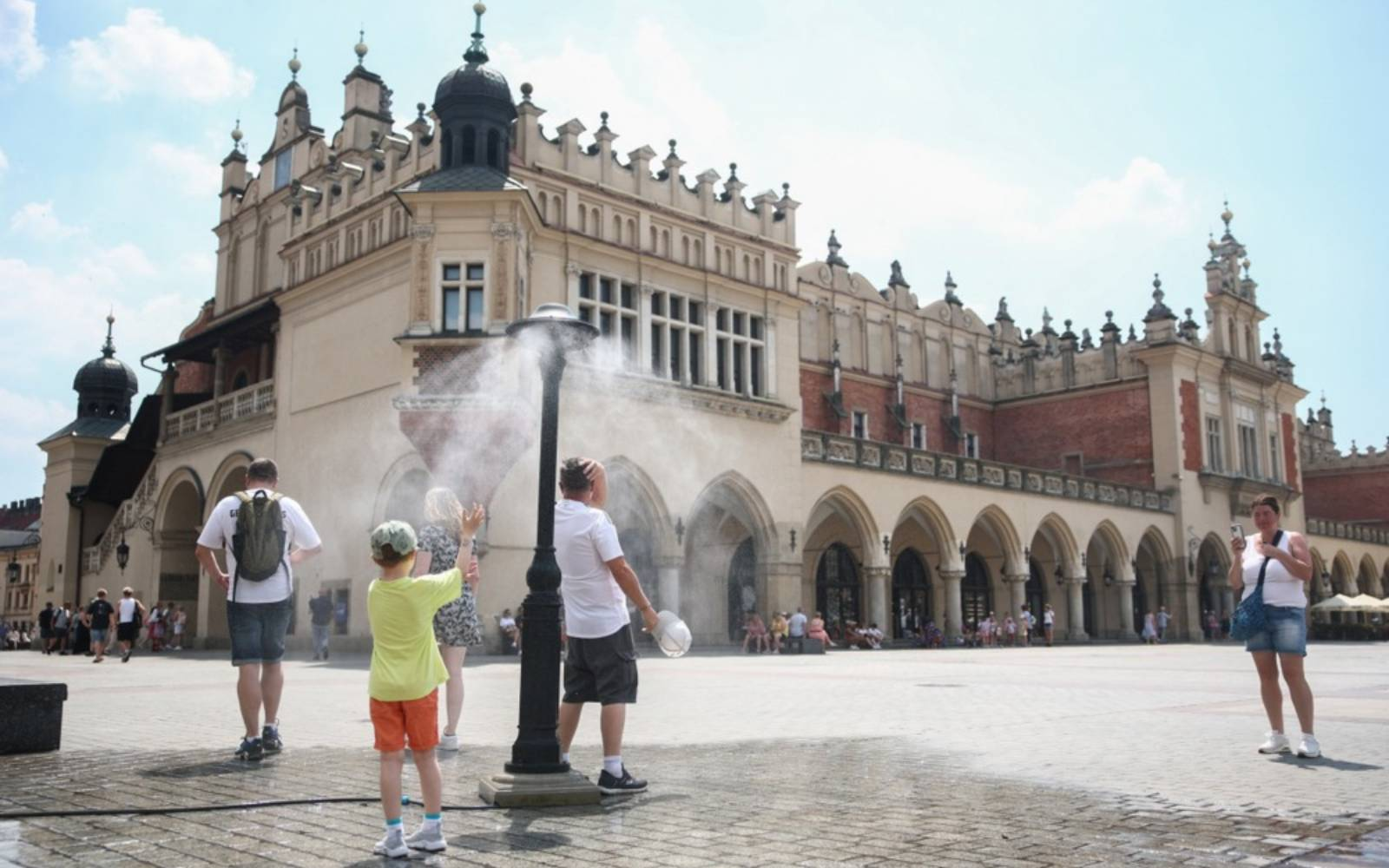
Europe is experiencing one of its most severe early-summer heatwaves in recent history, with the World Health Organization (WHO) estimating that more than 1,300 excess deaths have been linked to the extreme temperatures since the heatwave began on June 21. As temperatures continue to break historical records across several countries, health authorities and climate experts are warning that extreme heat is becoming an increasingly serious public health threat across the continent.
The unprecedented heat has affected large parts of western, central and eastern Europe, with Germany recording a provisional all-time national temperature of 41.7°C. Similar record-breaking temperatures have also been reported in Poland, the Czech Republic and Hungary, where thermometers exceeded 40°C during the final week of June. Meteorological agencies have issued widespread red heat alerts as millions of people continue to face dangerous daytime and nighttime temperatures.
According to the WHO, the reported figure of more than 1,300 deaths represents “excess deaths,” a statistical measure comparing the number of deaths during the heatwave with the number normally expected during the same period. Excess mortality captures both direct and indirect impacts of extreme heat. While heatstroke can be fatal, high temperatures also worsen existing medical conditions such as cardiovascular disease, respiratory illnesses and kidney disorders, particularly among older adults and individuals with chronic health conditions.
France has been among the worst-affected countries during the current heatwave. The country’s health ministry reported approximately 1,000 excess deaths within just a few days, with the majority occurring among people aged 65 and older. Funeral services in some areas have experienced increased demand, while hospitals have treated growing numbers of patients suffering from dehydration, heat exhaustion and heatstroke. Authorities have urged residents to remain indoors during the hottest parts of the day and to regularly check on elderly family members and neighbours.

The impact of the heatwave extends well beyond public health. Across Europe, the extreme temperatures have disrupted transportation, damaged infrastructure and placed additional pressure on electricity systems. In Germany, sections of roads and rail infrastructure have suffered heat-related damage, while some tram services have been interrupted due to warped tracks. High electricity demand for cooling has also strained national power grids in several countries. Governments have opened public cooling centres and introduced emergency measures to help residents cope with the prolonged heat.
Wildfires have also become a growing concern as hot, dry conditions increase the risk of rapidly spreading fires. Croatia has battled multiple wildfires, while authorities across southern and southeastern Europe remain on high alert. Firefighters have been deployed alongside aircraft to contain blazes threatening communities and natural landscapes. The combination of high temperatures, dry vegetation and strong winds has created particularly hazardous conditions in several regions.
Scientists have linked the severity of the current heatwave to human-induced climate change. Researchers from the World Weather Attribution initiative concluded that an event of this intensity would have been virtually impossible without global warming caused primarily by greenhouse gas emissions from burning fossil fuels. Their analysis found that climate change has significantly increased both the likelihood and intensity of extreme heat events across Europe.
Experts also note that Europe is warming faster than the global average, making the continent particularly vulnerable to increasingly frequent and intense heatwaves. Urban areas are especially at risk because buildings, roads and concrete surfaces absorb and retain heat, creating what is known as the urban heat island effect. This results in higher nighttime temperatures, limiting opportunities for the human body to recover from daytime heat exposure.
The WHO has described extreme heat as a “silent killer” because many heat-related deaths occur indirectly through the worsening of pre-existing health conditions rather than immediate heatstroke. Older adults, infants, outdoor workers, people with disabilities and individuals with chronic illnesses remain among the most vulnerable groups during prolonged periods of extreme heat. Health officials continue to advise people to stay hydrated, avoid strenuous outdoor activities during peak afternoon hours, wear lightweight clothing and seek air-conditioned or shaded environments whenever possible.
The current heatwave has renewed discussions about Europe’s preparedness for increasingly severe climate-related events. Governments across the region are facing growing pressure to strengthen heat action plans, improve climate-resilient infrastructure and expand public health measures designed to protect vulnerable populations. As temperatures remain exceptionally high across several countries, authorities continue to monitor health impacts while emergency services remain on heightened alert.