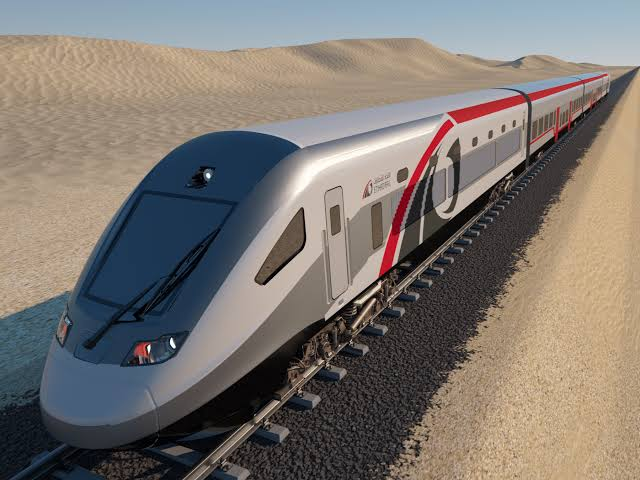
The introduction of Etihad Rail’s passenger network marks a major step forward in the UAE’s transportation infrastructure. Designed to improve connectivity between emirates, the railway is expected to make travel faster, more efficient, and more reliable. Beyond enhancing mobility, experts believe the project could also have a meaningful impact on the country’s labour market.
Transportation plays an important role in both recruitment and employment decisions. In the UAE, many professionals commute between emirates, often spending long hours on the road. As passenger rail services become available, human resource specialists believe that distance may become less of a barrier for both employers seeking talent and candidates considering new job opportunities.
While salary, career growth, and workplace culture remain key factors in accepting a job offer, commuting requirements also influence hiring decisions. Recruitment professionals interviewed by Gulf News estimated that around 15 to 20 percent of job offer rejections during the final hiring stage are linked to concerns about lengthy daily commutes. Faster and more reliable rail travel could help reduce this challenge, making positions in other emirates more attractive to job seekers.
For employers, Etihad Rail could significantly expand the available talent pool. Instead of focusing primarily on candidates living nearby, organisations may be able to recruit skilled professionals from across the UAE. Businesses in Abu Dhabi, Dubai, Sharjah, Fujairah, and other emirates could benefit from access to a wider workforce, particularly when hiring for specialised roles. Improved rail connectivity may also create greater flexibility for employees. Professionals who previously dismissed opportunities because of long road journeys may become more willing to work in neighbouring emirates if rail travel offers a more convenient alternative. This could encourage individuals to prioritise career opportunities over geographical proximity. Students and recent graduates could benefit as well. Many internships and entry-level positions are based in major business hubs, but transportation challenges can discourage applicants from pursuing opportunities outside their home emirate. Improved public transport could make these roles more accessible, helping young professionals gain valuable work experience.
The expansion of passenger rail may also complement the growing use of hybrid work arrangements. Employees who only travel to the office a few days each week may find it easier to live in one emirate while working in another, making cross-emirate employment more practical than before. However, experts caution that rail connectivity alone will not transform hiring. The success of the system will also depend on effective “last-mile” transport between railway stations and workplaces. Employers may need to provide shuttle services, flexible working hours, or other commuting support to maximise the benefits of the railway.
Beyond recruitment, Etihad Rail supports the UAE’s broader goals of improving infrastructure, promoting sustainable transport, and strengthening economic connectivity. As passenger services expand, the railway is also expected to create employment opportunities in engineering, operations, maintenance, customer service, safety, and other rail-related sectors, while continuing to support Emiratisation initiatives through workforce development and training.
Although Etihad Rail will not single-handedly reshape the labour market, it has the potential to reduce one of the most common barriers to employment: distance. By making travel between emirates more efficient and predictable, the railway could help employers access a broader talent pool while giving professionals greater freedom to explore career opportunities across the UAE.