
A citywide program known as Little Falcon returned genetic diagnoses in a median of 3.4 days and reshaped treatment for more than half of the children involved.
Dubai has rolled out a citywide rapid genetic sequencing program for critically ill children, delivering genetic diagnoses in a matter of days rather than weeks and changing the course of treatment for more than half of the patients involved.
According to Nature Medicine, the program, named Little Falcon, was implemented across the centralized neonatal and pediatric intensive care units within the Dubai Health system, at Latifa Hospital and Al Jalila Children’s Hospital. In its first phase, 100 critically ill infants and children underwent rapid whole genome sequencing, with results returned in a median of 3.4 days. The fastest case was completed in under 48 hours.
The speed marks a dramatic improvement over conventional testing. In a comparison group of patients treated at the same hospitals before the program existed, standard genetic testing had taken a median of 38 days. For children in intensive care with complex, undiagnosed conditions, that difference can be decisive, allowing doctors to identify the underlying problem and adjust treatment while it still matters most.
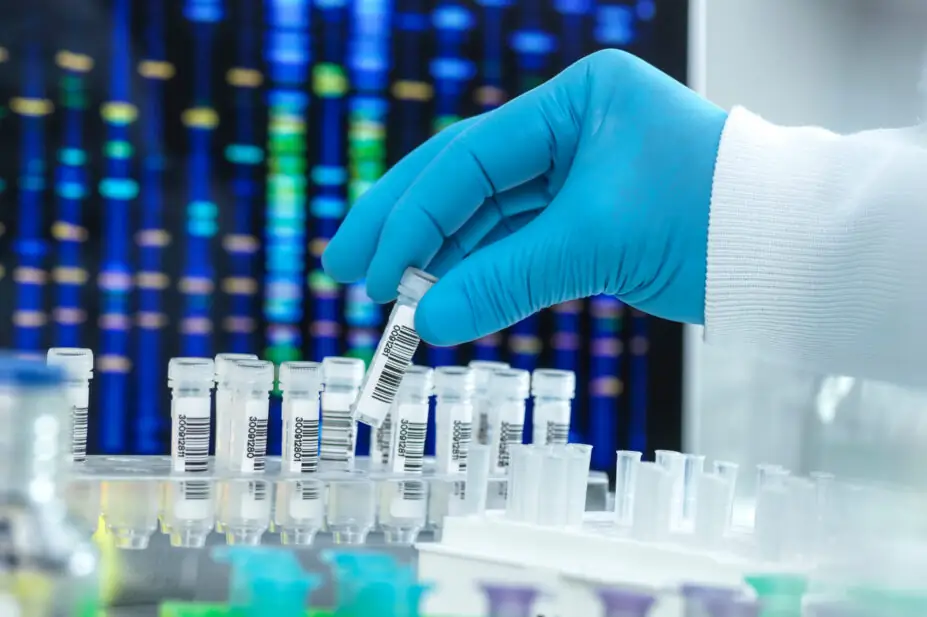
How rapid whole genome sequencing works
The approach involves sequencing a child’s entire genome, usually alongside both parents, in a process built for speed so that results reach the intensive care team quickly. Rather than testing for one suspected condition at a time, it reads the full genetic code at once, widening the chances of finding an answer. The results from the first 100 children showed how much of a difference that makes:
- 53 of the 100 children received a molecular diagnosis linked to their admission, a diagnostic yield of 53 percent, compared with 30 percent under the older testing method.
- The yield rose to 80 percent among children from consanguineous families, where marriages between close relatives increase the likelihood of inherited recessive conditions.
- Treatment was meaningfully changed for 53 of the 100 patients, including some for whom no genetic diagnosis was ultimately found.
In practice, those changes meant redirecting therapies, avoiding unnecessary procedures, and giving families clearer answers about their child’s condition, along with guidance for future family planning.
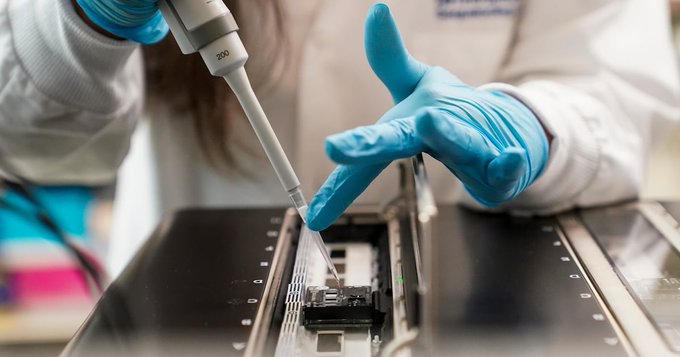
Why it matters for the region
The initiative is particularly significant for the region’s diverse population. The first group of patients came from 18 Middle Eastern and Asian countries, communities that have historically been underrepresented in global genetic databases. Because most genomic research to date has focused on Western populations, building local data is essential to accurately interpreting results for patients from the Middle East, South Asia, and Africa.
Little Falcon builds on years of groundwork in Dubai’s health system, including the earlier establishment of a dedicated genomics center at Al Jalila Children’s Specialty Hospital and a collaboration with the genomics company Illumina. Dubai Health has since moved to consolidate its rare disease testing into a comprehensive whole genome sequencing approach, aligning the emirate with the standard of practice in leading genetic laboratories worldwide.
Health officials involved in the work have described the program as a potential turning point in how critically ill children in the region are diagnosed and treated. Dubai aims to shorten the often lengthy and distressing search for answers that families of children with rare genetic conditions face, while strengthening the wider research base for underrepresented communities.
The program is continuing to expand, with plans to enroll additional critically ill patients over the coming period, part of a broader effort to make rapid genomic diagnostics a routine standard of care across the emirate’s intensive care units.
Follow us for more updates and news!