

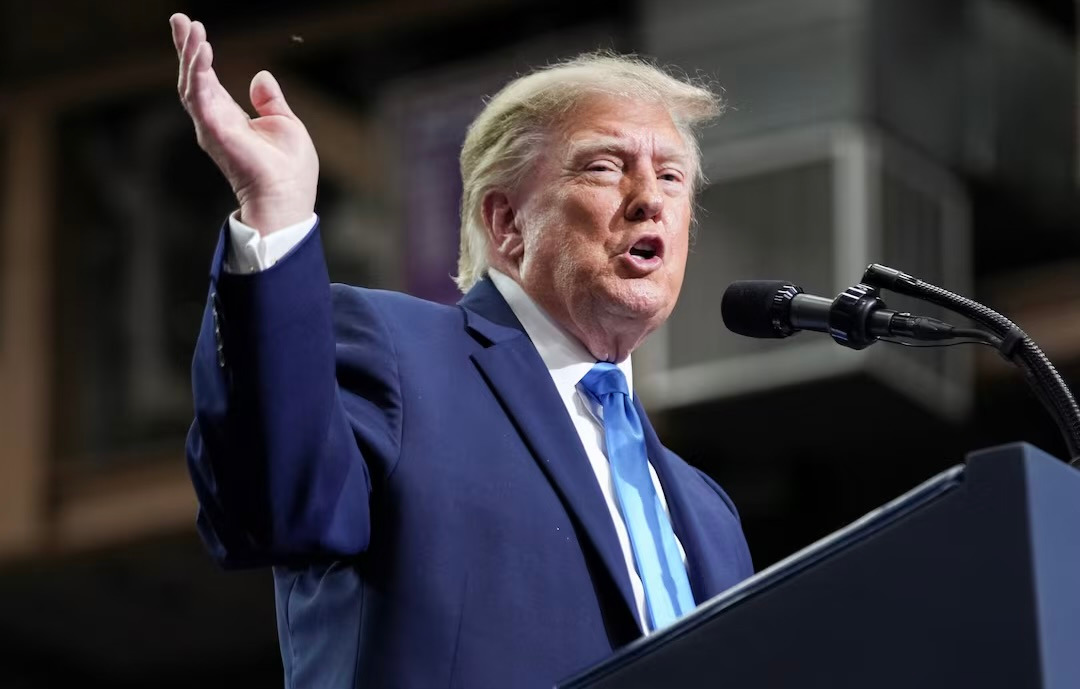
US President Donald Trump has appointed Director of National Intelligence Jay Clayton to lead a newly established federal task force focused on artificial intelligence, which the administration now refers to as “Super Intelligence.” The group, formally called the Super Intelligence Force (SIF), will coordinate the federal government’s approach to the rapidly developing technology.
Trump announced the task force on October 4, saying its purpose is to coordinate the federal government’s engagement with AI companies and other groups while maintaining US leadership in the field. The task force will report directly to Trump and White House Chief of Staff Susie Wiles.
Clayton, who became the ninth Director of National Intelligence on August 3, 2026, will serve as chairman of the task force. As Director of National Intelligence, he heads the US Intelligence Community and serves as the president’s principal adviser on intelligence matters.
The task force is expected to examine both the opportunities and risks associated with advanced AI systems. According to the group’s charter, it has 120 days to produce a report assessing AI-related risks and opportunities and determining the federal government’s responsibilities in addressing them. The group will also review how the government receives information about AI-related incidents, including breaches, hacks and model “jailbreaks,” and consider improvements to existing response systems.
Several other senior administration officials will participate in the initiative. They include Federal Trade Commission Chairman Andrew Ferguson, Pentagon technology official Emil Michael and Office of Personnel Management Director Scott Kupor. The task force will also engage with consumers, public-interest organizations, religious organizations, critical infrastructure providers and AI companies.
The creation of the task force comes shortly after Trump hosted executives from several major technology companies at the White House. Leaders from companies including OpenAI, Anthropic, Google, Meta and Nvidia participated in discussions about the development and safety of advanced AI systems. The companies subsequently agreed to voluntary measures involving internal controls, outside reviews and reporting to company boards about AI safety efforts.
The administration has also recently changed how it refers to artificial intelligence in federal government communications. On September 29, Trump signed an executive order directing federal agencies, where legally permitted, to use the terms “Super Intelligence” and “SI” instead of “Artificial Intelligence” and “AI” in official communications, websites, reports, policy documents and other non-statutory materials. The order also directed the administration to develop a proposed federal definition of “Super Intelligence.”
Clayton has linked the task force’s work to national security concerns. According to The Wall Street Journal, he said that maintaining US leadership in advanced AI is important because falling behind could increase risks associated with adversaries. The task force’s mandate therefore includes consideration of threats that could arise from increasingly capable AI systems.
The initiative represents a new layer of federal coordination around AI under the Trump administration. Rather than creating a standalone federal agency, the Super Intelligence Force brings together officials from intelligence, defense, technology regulation and government administration.
The task force’s initial 120-day period is expected to produce recommendations on the government’s role in addressing AI-related opportunities and risks. Its work could subsequently be extended or its responsibilities transferred to a federal agency, according to reporting on its charter.
The appointment of the nation’s intelligence chief to oversee the initiative also places national security considerations alongside economic, technological and regulatory issues in the administration’s approach to advanced AI. The task force will now work with government agencies, technology companies and other stakeholders as it develops its recommendations.