


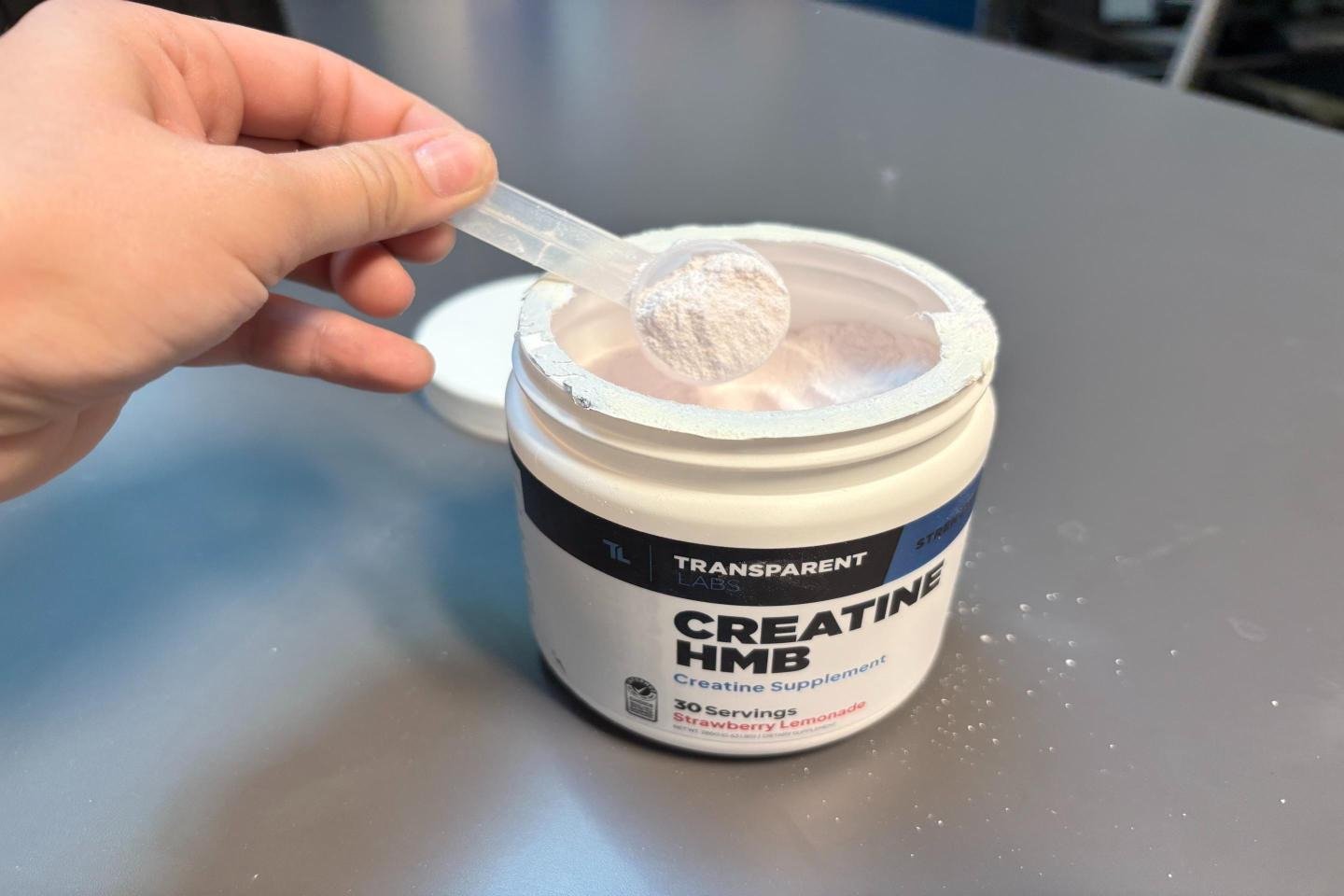
Research is looking beyond the gym at how creatine may support women’s strength and the brain.
For years, creatine was seen as a gym supplement for men trying to bulk up. Tubs of it sat on the shelves of sports nutrition stores, marketed almost entirely at bodybuilders and athletes.
Over the years, that outlook has changed. A growing body of research is looking at what creatine may do for women, older adults and even the brain, and the findings are drawing attention from scientists and fitness experts alike.
Creatine is a compound the body makes naturally from amino acids, mostly in the liver and kidneys. It is also found in foods such as red meat and fish. Most of it is stored in the muscles, where it helps produce quick bursts of energy, but a smaller amount is stored in the brain.
It is also one of the most studied supplements in the world. The International Society of Sports Nutrition describes creatine monohydrate as the most effective nutritional supplement available for increasing high-intensity exercise capacity and lean body mass, and considers it safe for healthy people when taken at recommended doses.
What Creatine Research Shows for Women
Research suggests women tend to have lower natural creatine stores than men, and they often get less creatine through their diet. Scientists have increasingly asked whether supplementing could help close that gap.
The clearest evidence so far is for strength and muscle. A 2026 meta-analysis of seven randomized trials involving 608 postmenopausal women found that those taking creatine gained modestly more lean mass and leg strength than those taking a placebo. The benefits were clearest when women took at least 5 grams a day alongside resistance training.
This matters because women lose muscle and strength faster after menopause, which can affect balance, mobility and independence later in life.
Other areas are less settled. Early studies have looked at creatine’s effects on mood, sleep and symptoms during perimenopause, with some promising signals, but most of these trials have been small. Research on bone density has so far shown no clear benefit. The largest trial, which followed 237 postmenopausal women for two years, found no change in hip or spine bone density.
Creatine and Brain Health
The brain uses a large share of the body’s energy, and that is where some of the most interesting creatine research is now focused.
In a 2024 study published in Scientific Reports, researchers at Germany’s Forschungszentrum Jülich gave 15 sleep-deprived participants a single high dose of creatine. Within hours, the group showed improvements in brain energy markers, processing speed and short-term memory, with effects lasting up to nine hours. The researchers cautioned that the dose used was high and should not be tried at home without further study.
A separate pilot study at the University of Kansas Medical Center, published in 2025, gave 19 people with Alzheimer’s disease 20 grams of creatine a day for eight weeks. Brain creatine levels rose by 11%, and participants showed moderate improvements in working memory and executive function. The study had no control group, and the lead researcher, Matthew Taylor, called for larger clinical trials.
A 2023 review of 23 trials also found creatine improved memory, with the clearest effects seen in older adults.
Most studies on muscle and strength use 3 to 5 grams of creatine monohydrate a day, taken consistently. Some people start with a short loading phase, but it is not necessary. The higher doses used in brain studies are still experimental.
Creatine is generally considered safe for healthy adults, though some people notice mild water retention or stomach discomfort. People with kidney conditions, those who are pregnant or breastfeeding, and anyone taking regular medication should speak to a doctor before starting any supplement.