

A launch pad explosion and a failed mission have made 2026 a difficult year for the company behind Bezos’s vision of millions living in space.
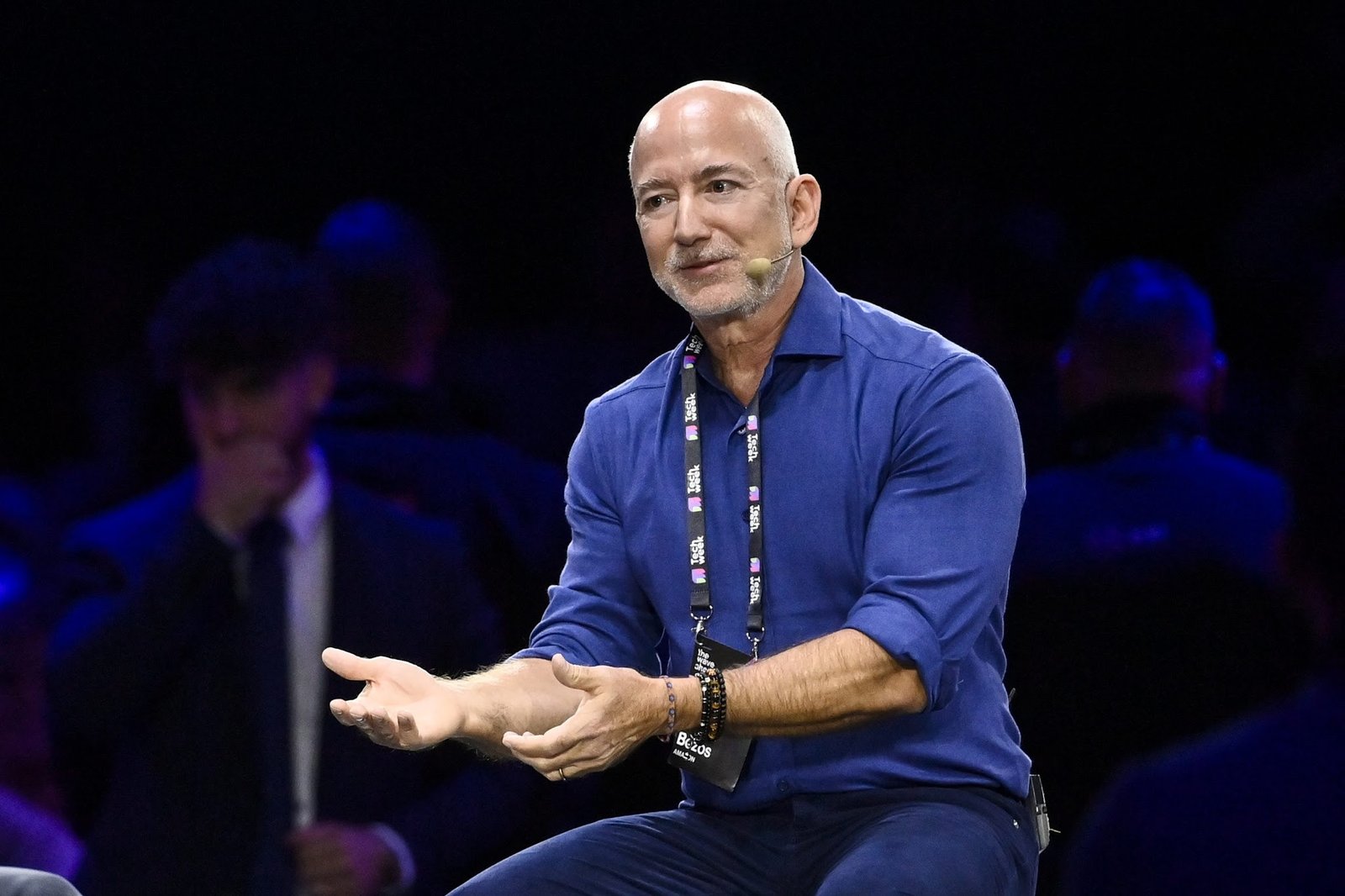
Last year, Jeff Bezos made one of his boldest predictions yet. Within the next two decades, he said, millions of people will be living in space, while robots handle the hard work on the Moon.
A year on, his space company, Blue Origin, is working to recover from one of the toughest stretches in its history. Its heavy-lift New Glenn rocket has not flown since April, its only launch pad for the rocket was badly damaged in an explosion in May, and several major missions, including its first Moon lander, are waiting on its return.
Now that we have a flying car already, Bezos’s comments, made on stage at Italian Tech Week in 2025, don’t seem so far-fetched. But at the same time, it brings fresh attention to how far Blue Origin still has to go.
Blue Origin’s Difficult Year in 2026
The year began with a milestone. On April 19, Blue Origin reused a New Glenn booster for the first time. The booster, which had already flown in November 2025, landed successfully again after launch.
The mission itself, however, did not go to plan. A problem with the rocket’s second stage left its payload, AST SpaceMobile’s BlueBird 7 satellite, in an orbit that was too low, and the satellite had to be deorbited. The US Federal Aviation Administration grounded New Glenn before clearing it to fly again on May 22.
Less than a week later, on May 28, a New Glenn booster and a fueled upper stage exploded during a static fire test at Launch Complex 36 in Cape Canaveral, Florida, the rocket’s only active launch pad. No one was injured, but the blast caused heavy damage to the site.
In August, Blue Origin CEO Dave Limp said the failure began in the main oxygen valve of one of the rocket’s BE-4 engines. The company has since cleared the pad of debris and begun rebuilding, and Limp has said Blue Origin still plans to fly New Glenn again before the end of 2026.
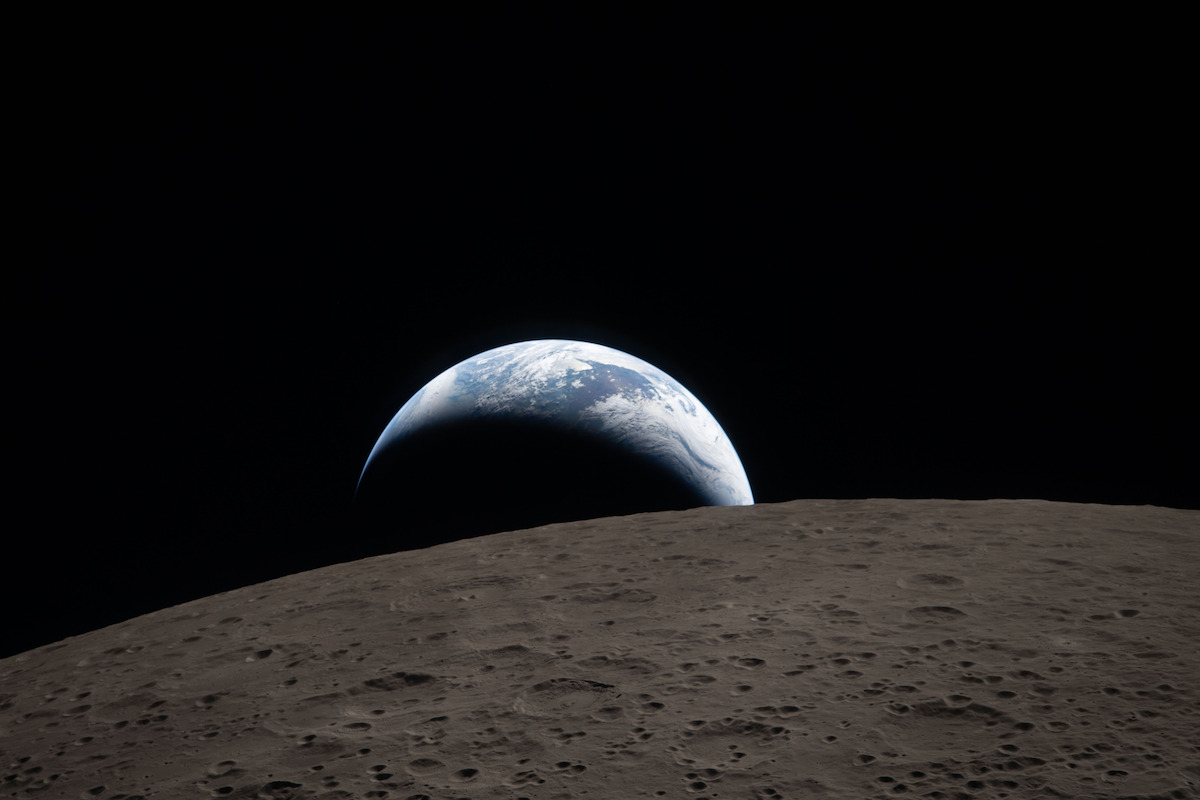
The delay has a knock-on effect. Launches of Amazon’s Leo internet satellites, along with Blue Origin’s first Blue Moon lunar lander, are on hold until New Glenn returns to service. The lander, named Endurance, is undergoing testing at NASA’s Johnson Space Center ahead of an uncrewed landing near the Moon’s south pole. A larger version of Blue Moon has been selected by NASA to carry astronauts as part of its Artemis program.
Jeff Bezos’s Vision of Millions Living in Space
Despite the setbacks, Bezos has been clear about where he believes space travel is heading.
“In the next kind of couple of decades, I believe there will be millions of people living in space,” he said at Italian Tech Week. “That’s how fast this is going to accelerate.”
He said people would choose to move off Earth rather than be forced to. “They’ll mostly be living there because they want to,” he said. “We don’t need people to live in space.”
Machines, he said, would take on much of the labor. “If you need to do some work on the surface of the moon or anywhere else, we will be able to send robots to do that work,” Bezos said, adding that this “will be much more cost-effective than sending humans,” Fortune reported.
He also linked his optimism to technology more broadly. “Civilizational abundance comes from our inventions,” he said. “These tools increase our abundance, and that pattern will continue.”
Bezos founded Blue Origin in 2000, and the company has long described its goal as a future in which millions of people live and work in space. Whether that happens by 2045 may depend on how quickly New Glenn gets back on the launch pad.