You don’t have to throw your phone in a drawer to feel more present. A few small changes can go a long way.
It usually starts with a quick check. A message comes in, then a notification, then a video someone sent you, and before you know it half an hour has gone by and you can’t quite remember what you were doing before you picked up your phone. For most of us, this isn’t a rare slip. It’s a normal part of the day.
Phones have become our maps, wallets, cameras, offices and social lives all rolled into one. For people living far from home, they’re also the lifeline that keeps family and friends close. So the idea of a digital detox can sound unrealistic, even a little extreme. Very few people can simply switch off and disappear.
The good news is that a digital detox doesn’t have to mean giving up your phone. It’s less about cutting yourself off and more about deciding when and how you use it, so that your screen works for you rather than the other way around.
Small shifts, made consistently, can help you sleep better, focus more easily and enjoy the moments that tend to slip past while you’re scrolling.
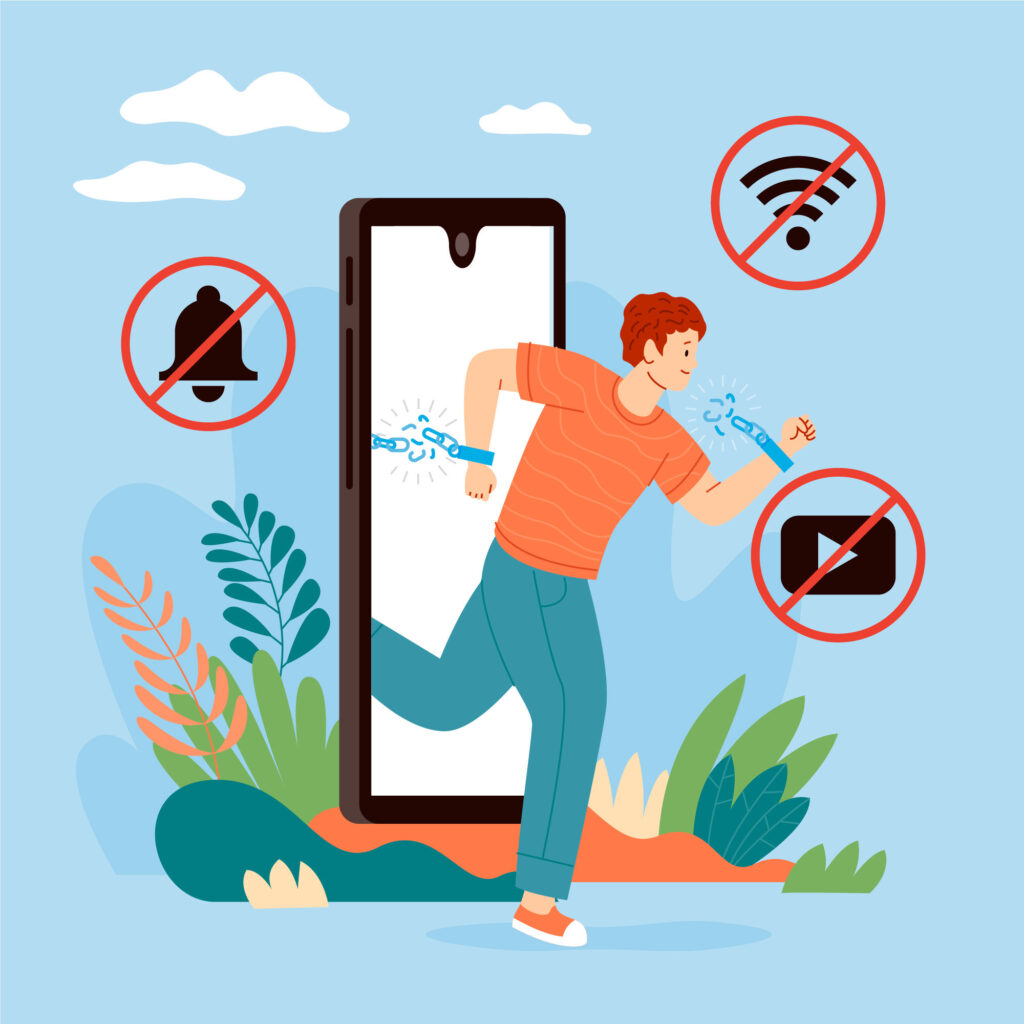
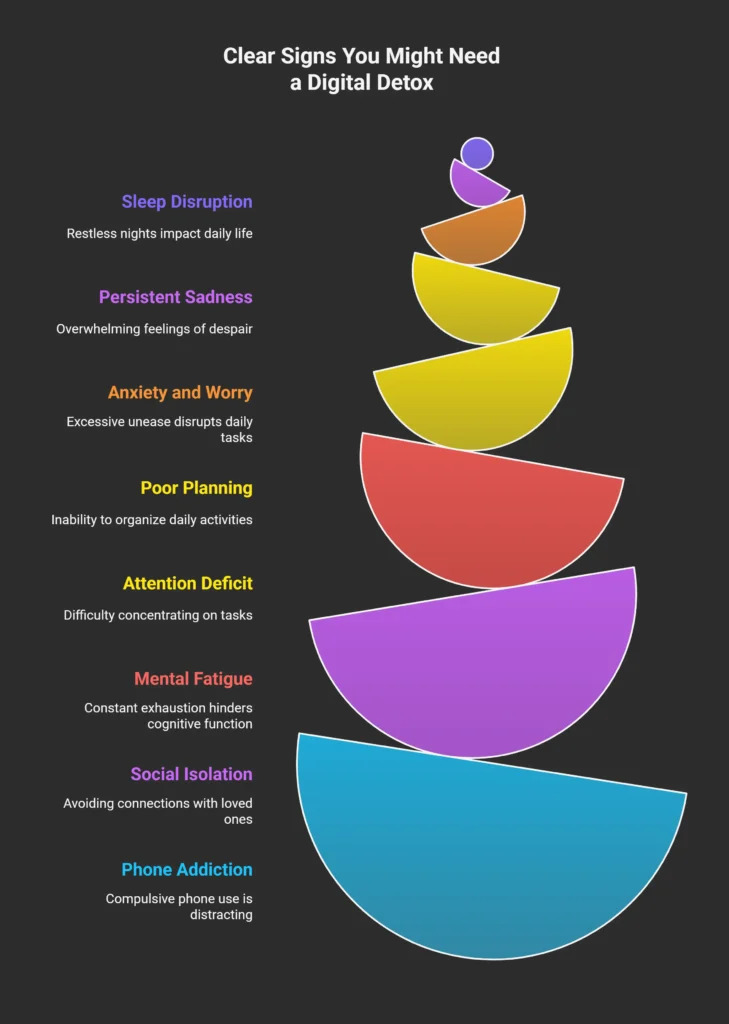
Signs You Might Need a Digital Detox
Most people don’t realize how much time they spend on their phones until they look at their screen time report. If the number surprises you, you’re not alone.
There are other signs too. Reaching for your phone the moment you wake up, checking it during meals or conversations, scrolling in bed long after you meant to sleep, or feeling restless when it isn’t within reach are all common signals that your relationship with your screen has tipped out of balance.
Some people notice it in their mood. Endless scrolling through social media can leave you feeling tired, distracted or quietly dissatisfied, even when nothing in particular has gone wrong. Others notice it in their work, with tasks taking longer because attention keeps drifting back to the phone.
None of this means you’re doing anything wrong. Apps are designed to hold attention, and they’re very good at it. Recognizing the pattern is simply the first step toward changing it.
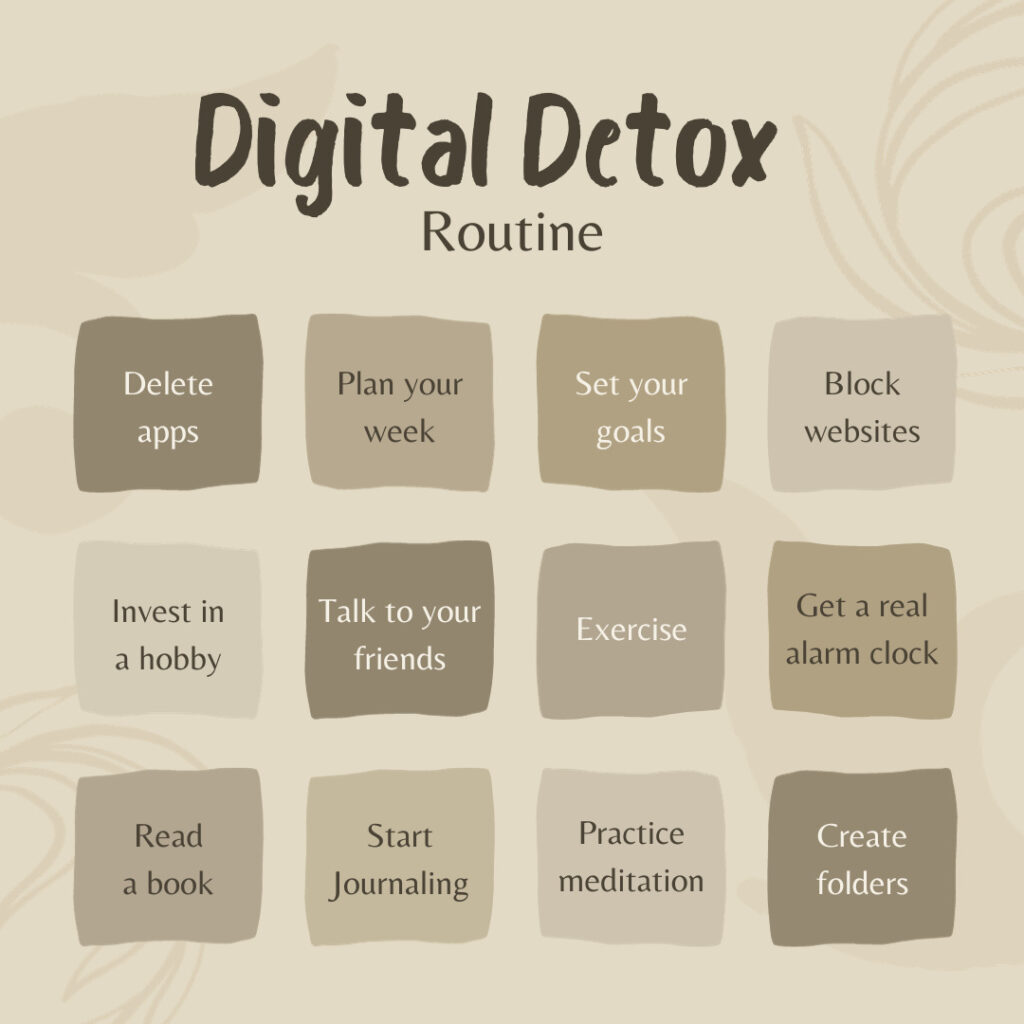
How Cutting Screen Time Can Help Your Sleep, Focus and Mood
One of the first places people notice a difference is sleep. Using a phone late at night keeps the mind busy and alert, and the light from screens has been linked to disrupted sleep. Putting the phone away a little earlier in the evening often makes it easier to wind down and fall asleep.
Focus tends to improve too. Every notification pulls attention away from whatever you were doing, and getting back on track takes time. Fewer interruptions mean longer stretches of real concentration, whether you’re working, reading or having a conversation.
Then there’s the way time itself starts to feel different. Without the constant pull of the screen, evenings feel longer, meals feel more relaxed and conversations go deeper. Many people say they simply feel calmer once they stop checking their phones every few minutes.
Simple Digital Detox Habits That Actually Stick
The key to a digital detox that lasts is to start small. Trying to cut out your phone completely usually ends with you picking it up again a day later. Small, specific changes are far easier to keep.
Start by turning off notifications you don’t need. Most apps don’t deserve to interrupt your day, and silencing them removes a lot of the urge to check. Keep alerts only for calls and messages from the people who matter most.
Create a few phone-free zones or moments. The dining table and the bedroom are good places to begin. Even keeping your phone out of reach for the first half hour after waking up can change the tone of your whole morning.
Make your phone a little less tempting. Moving social media apps off your home screen, logging out after use or switching the display to grayscale can make mindless scrolling less automatic.
Use the tools already on your phone. Most smartphones let you set daily limits for certain apps or schedule downtime in the evening. They’re easy to override, but they act as a helpful nudge when you’ve lost track of time.
Finally, replace scrolling with something you enjoy. A walk, a book, a hobby or a proper phone call with someone you love can fill the gap far better than another round of videos.
Easy Digital Detox Ideas to Try This Week
If you’d like to start right away, pick one or two of these and see how they feel.
- Leave your phone in another room for the first 30 minutes after you wake up.
- Turn off all non-essential notifications for one day.
- Have one meal a day with no screens at the table.
- Charge your phone outside the bedroom at night.
- Set a daily time limit on the app you use the most.
- Take a short walk without your phone and notice how it feels.
- Choose one evening this week to stay offline after dinner.