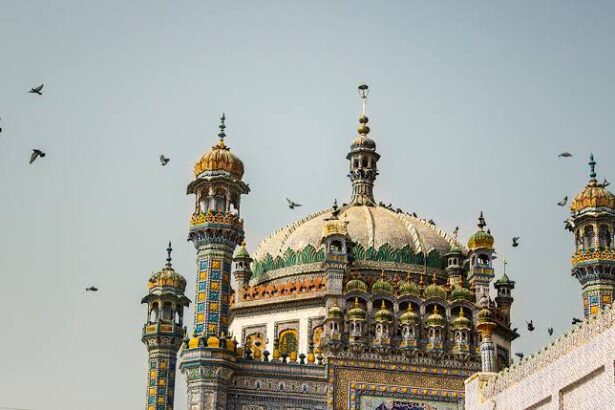



Pakistan’s UNESCO World Heritage Tentative List has grown to 37 sites after 12 new additions in 2026.
Pakistan added 12 sites to UNESCO’s World Heritage Tentative List over the course of 2026, taking the country’s total on the list to 37. The additions span Gandharan and Buddhist heritage, Mughal-era architecture, desert forts, and a living indigenous culture.
The sites were added in three rounds. The Kalasha Valley Cultural Landscape in Pakistan’s northern district of Chitral was added on March 9. Kot Diji, Naukot, and Umerkot Forts in the southern province of Sindh followed on March 18. The remaining eight sites were added on May 11.
Inclusion on the Tentative List is a required first step toward full World Heritage status. UNESCO cannot consider a site for formal inscription unless it already appears on the country’s Tentative List, a process that typically takes several years of detailed evaluation.
Kalasha Valley and Sindh Forts Join UNESCO Tentative List
The Kalasha Valley Cultural Landscape covers the three remote valleys of Bumburet, Rumbur, and Birir in Pakistan’s Khyber Pakhtunkhwa province. The valleys are home to the indigenous Kalasha community, a group of around 4,000 people known for its distinct traditions, festivals, and belief system. Officials described the listing as historic, noting it is the first time an entire community from Pakistan, along with its traditions and social system, has been recognized in this way.
In Sindh, the three listed forts are tied to the region’s defensive networks and old trade routes. Kot Diji Fort was built in the 18th century by the Talpur ruler Mir Suhrab, near an ancient Indus Valley settlement. Naukot and Umerkot are historic desert fortifications. Sindh Minister for Culture, Tourism and Antiquities Syed Zulfiqar Ali Shah said the recognition would help introduce Sindh’s heritage on the global stage.
Khyber Pakhtunkhwa and Punjab Sites Recognized by UNESCO
The May 11 batch brought in sites across two provinces. In Khyber Pakhtunkhwa, the additions were the Archaeological Complex of Gor Khatri, Bazira-Barikot, the Bhamala Buddhist Complex, Sethi House, and Mai Qamro Mosque. In Punjab, Pharwala Fort, Rewat Fort, and the Tomb of Sultan Muqarrab Khan were listed.
Several of these carry deep historical roots. According to the Express Tribune, the Bhamala Buddhist Complex in Haripur is an important example of Gandharan Buddhist heritage, a tradition shaped by contact between local and Hellenistic art. Gor Khatri, in the heart of old Peshawar, reflects the city’s long history as a corridor linking the subcontinent with Afghanistan and Central Asia.
Pakistan already has six inscribed World Heritage Sites, including Mohenjo-daro, Taxila, Lahore Fort and Shalamar Gardens, and Rohtas Fort. The last inscription was Rohtas Fort in 1997. Officials say the fresh additions to the Tentative List mark a step toward expanding the country’s presence on the global heritage map.