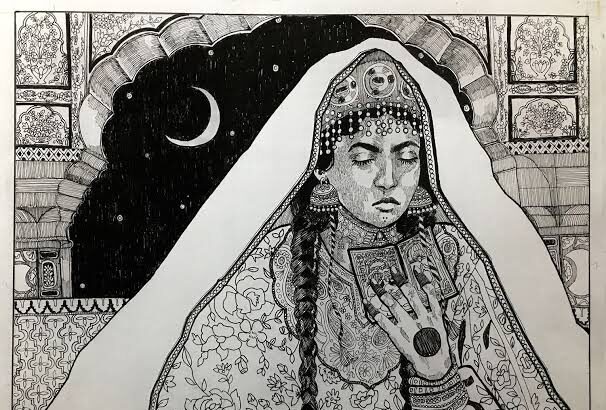


In the cultural landscape of Sindh, where poetry and spirituality have long been intertwined, few figures embody the universal spirit of Sufism as profoundly as Sachal Sarmast. Born Abdul Wahab Farooqi in 1739 in Daraza near Ranipur, Sachal became one of Sindh’s most celebrated mystic poets. His extraordinary ability to express his spiritual vision in several languages earned him the enduring title Shair-i-Haft Zuban — the Poet of Seven Languages.
Sachal lived during the Kalhoro and Talpur periods, an era when Sindh was a crossroads of languages, cultures and intellectual traditions. He wrote poetry in Sindhi, Saraiki, Persian, Punjabi, Urdu, Arabic and Balochi, allowing his message to travel beyond the boundaries of his native land.
Yet his multilingualism was more than a literary accomplishment. Sachal used language as a bridge. His poetry repeatedly returned to themes of divine love, spiritual freedom, truth and the unity of existence. Rather than presenting spirituality as something confined to institutions or formal scholarship, he expressed it through the language of love and personal experience.
The name “Sachal” itself is associated with truthfulness, while “Sarmast” conveys the idea of a mystic intoxicated by divine love. Together, the name captures the essence of his poetic personality: a seeker who regarded truth and love as inseparable. His poetry reflects the influence of the wider Sufi tradition, including figures such as Rumi and Mansur al-Hallaj, while remaining deeply rooted in Sindh’s own cultural world.
Sachal was also closely associated with sama, the musical gathering through which Sufi poetry is sung and experienced. His verses were not merely meant to be read; they were meant to be heard, sung and felt. This helped carry his poetry from literary circles into the wider folk culture of Sindh.
His legacy therefore extends far beyond the seven languages in which he wrote. Sachal demonstrated that poetry could cross linguistic, cultural and social boundaries without losing its spiritual core. In a region where languages often overlap and communities share centuries-old traditions, his work became an expression of a broader human search for meaning.
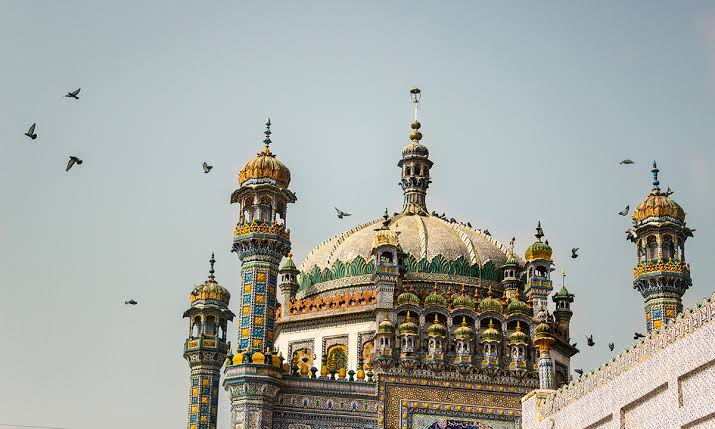
More than two centuries after his death, Sachal Sarmast remains one of Sindh’s most distinctive literary voices. His shrine at Daraza continues to draw devotees, while his poetry survives through recitation, music and oral tradition. His greatest achievement was perhaps not mastering seven languages, but using all seven to speak of one timeless idea: that beneath the divisions of language and identity lies a shared human longing for truth, love and the Divine.