

Life on Earth is often associated with sunlight, fresh air, and water. For decades, scientists believed that complex animals could only survive in environments that offered at least some of these essentials. The discovery of the devil worm (Halicephalobus mephisto), however, challenged that assumption. Living deep beneath the Earth’s surface in complete darkness, this tiny creature has become a symbol of how resilient life can be and has reshaped scientific understanding of the planet’s hidden ecosystems.
The devil worm was first identified in 2011 by an international team of researchers exploring groundwater deep inside South African gold mines. It was found in water-filled rock fractures between approximately 0.9 and 3.6 kilometers below the Earth’s surface, making it the deepest-living known animal ever discovered. Until then, scientists had found only microorganisms at such depths and believed the conditions were too extreme to support multicellular life.
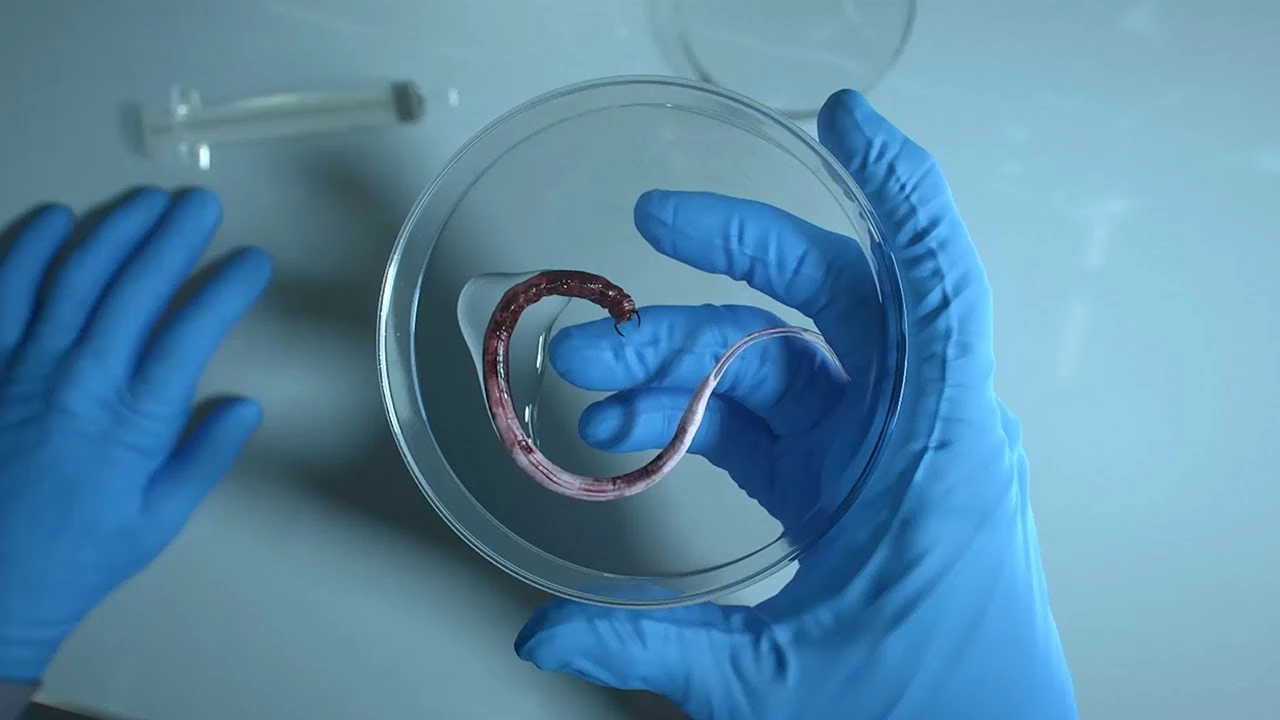
Although it has an intimidating name, the devil worm is anything but fearsome. It is a microscopic roundworm, or nematode, measuring only about 0.5 millimeters in length. Its scientific name, Halicephalobus mephisto, was inspired by Mephistopheles, a devil-like figure from the German legend of Faust, reflecting its discovery deep beneath the Earth’s surface rather than any harmful characteristics. The worm is harmless to humans and spends its entire life in underground water trapped within ancient rock formations.
The environment where the devil worm lives is unlike almost anywhere on the surface of the planet. Temperatures reach around 37°C (99°F), oxygen is extremely limited, and there is no sunlight. The groundwater it inhabits has been isolated from the surface for an estimated 3,000 to 12,000 years, creating a stable but energy-poor ecosystem that has existed largely untouched for thousands of years.
Unlike surface ecosystems that depend on photosynthesis, the devil worm survives in a food web powered entirely by chemistry. It feeds on bacteria and microbial biofilms that grow on rock surfaces within underground fractures. These microorganisms obtain energy through chemical reactions between water and minerals in the surrounding rocks instead of sunlight. This means the devil worm belongs to an ecosystem that functions independently of the Sun, highlighting an alternative way life can be sustained on Earth.
Researchers also discovered that the species reproduces through parthenogenesis, a form of asexual reproduction in which females produce offspring without mating. This adaptation is particularly useful in an environment where individuals are widely scattered and finding a mate would be difficult. The worm has also evolved to tolerate the heat and other environmental stresses associated with life deep underground.
The discovery of the devil worm significantly expanded scientists’ understanding of the Earth’s deep biosphere. While bacteria and archaea had already been found living several kilometers beneath the surface, the presence of a multicellular animal at such depths demonstrated that underground ecosystems are far more complex than previously believed. It also raised the possibility that other undiscovered animal species may inhabit similar environments around the world.
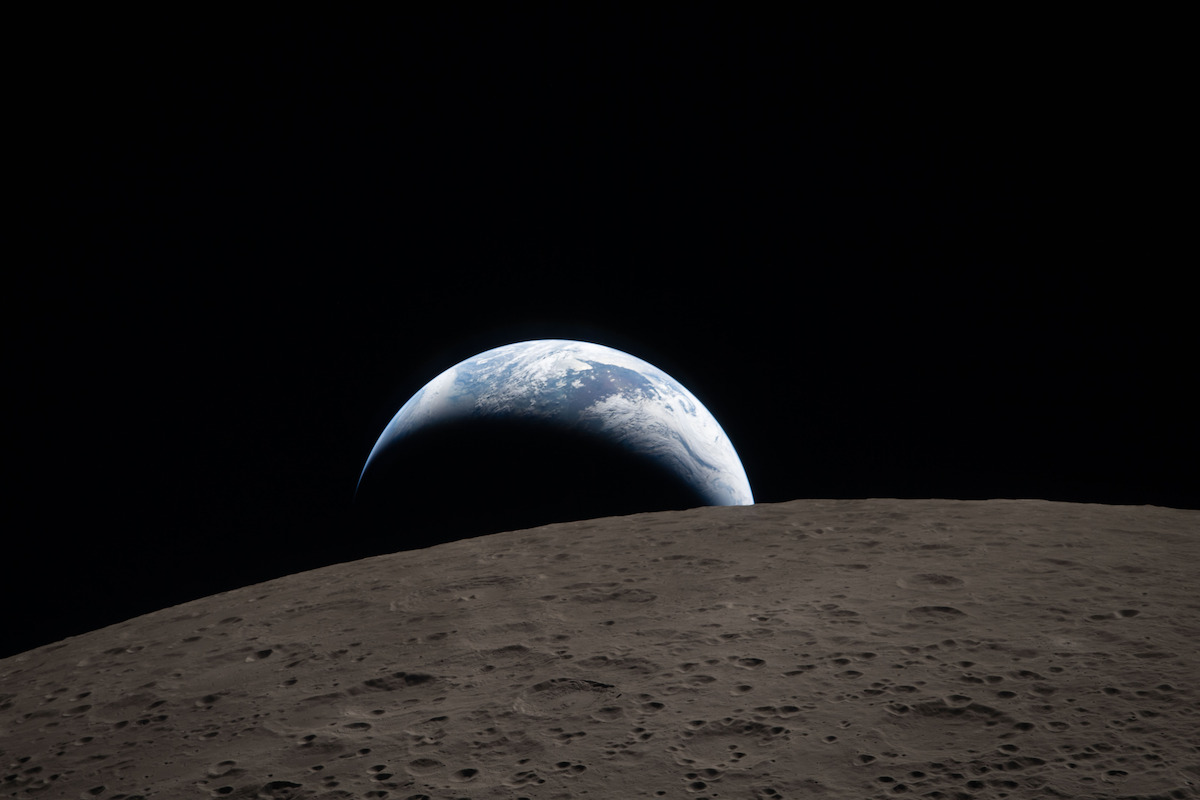
Beyond Earth, the devil worm has attracted the attention of astrobiologists searching for life elsewhere in the Solar System. Moons such as Europa and Enceladus, as well as Mars, are believed to contain underground reservoirs of liquid water. Although no evidence of life has been found beyond Earth, the devil worm provides an important example of how organisms can survive without sunlight by relying on chemical energy. Its existence broadens the range of environments that scientists consider potentially habitable.
More than a decade after its discovery, the devil worm remains the deepest-living known animal on Earth. While microorganisms have been found even farther below the surface, no other multicellular animal has been confirmed at comparable depths. This tiny nematode continues to remind researchers that some of Earth’s most extraordinary discoveries are hidden far beneath our feet, and that the limits of life are far broader than once imagined.


