


Technology has transformed nearly every part of modern life. From checking emails and attending virtual meetings to scrolling through social media and streaming entertainment, digital devices are woven into our daily routines. Smartphones, tablets, and laptops keep us connected, informed, and productive. However, as screen time continues to increase, many people are beginning to ask an important question: when does staying connected become too much?
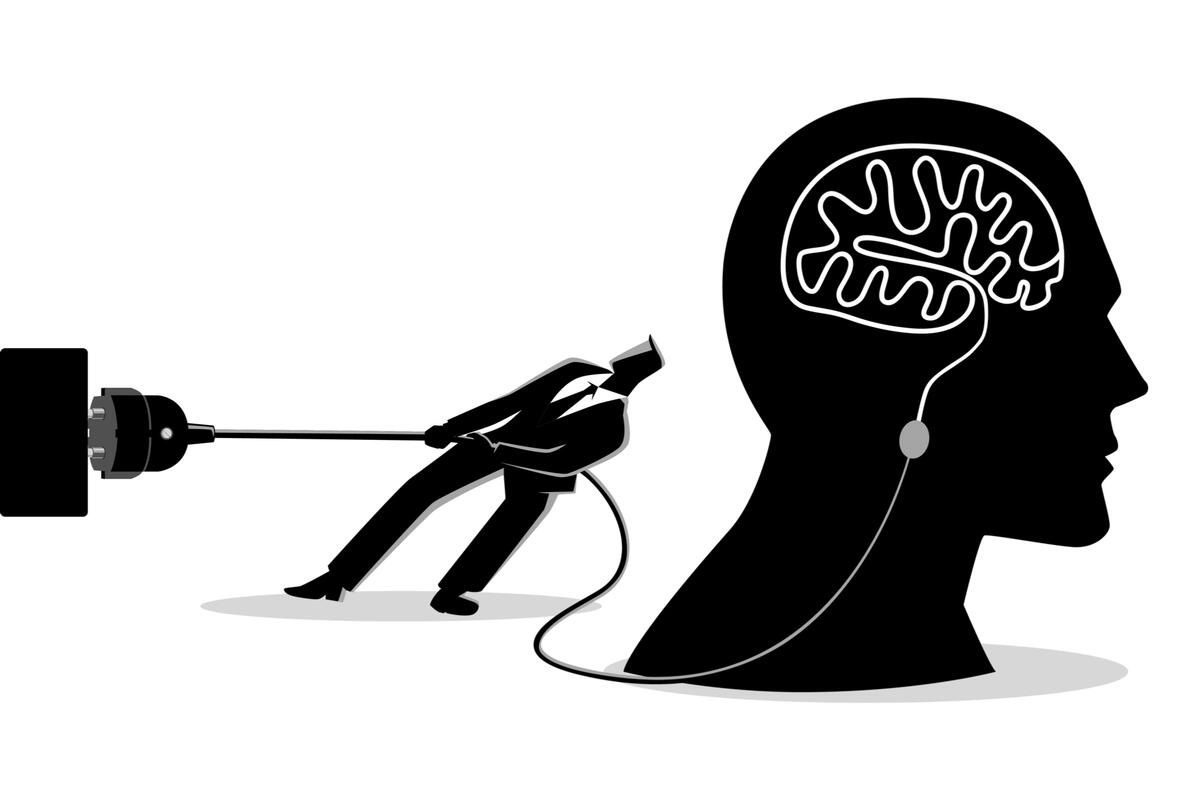
This growing awareness has fueled the rise of the digital detox. Rather than giving up technology completely, a digital detox involves intentionally reducing the time spent on digital devices to create healthier habits and restore balance. Whether it’s avoiding social media for a weekend, setting phone-free hours in the evening, or simply turning off unnecessary notifications, more people are choosing to step away from their screens.
One of the biggest reasons behind this shift is the amount of time people now spend online. Global digital reports consistently show that internet users spend several hours each day connected to the internet, with much of that time dedicated to smartphones and social media platforms. Since the COVID-19 pandemic, remote work, online learning, and digital entertainment have made screens an even bigger part of everyday life, leaving many people feeling mentally drained by the end of the day.
The effects of prolonged screen use are not limited to mental fatigue. Spending long hours looking at screens can contribute to eye strain, headaches, neck and back discomfort, and disrupted sleep. Health experts explain that the blue light emitted by phones, tablets, and computers can interfere with the body’s natural production of melatonin, the hormone that helps regulate sleep. This is one reason many experts recommend limiting screen use before bedtime.
Mental well-being has also become a major reason people are embracing digital detoxes. Research has found that excessive use of social media is associated with higher levels of stress, anxiety, and symptoms of depression, particularly among teenagers and young adults. While social media helps people stay connected with friends and family, it can also encourage constant comparison with carefully curated images of other people’s lives. Endless scrolling, frequent notifications, and algorithm-driven content are designed to keep users engaged, making it easy to lose track of time.
Many people are also discovering that stepping away from their devices improves their ability to focus. Constant notifications, incoming messages, and emails interrupt concentration throughout the day. Studies in cognitive psychology have shown that after an interruption, it can take several minutes to fully regain focus on a task. As a result, professionals, students, and even entire organizations are adopting practices such as turning off notifications or scheduling uninterrupted work periods to improve productivity.
Reducing screen time can also strengthen personal relationships. Although technology has made communication easier than ever, it can sometimes distract people from the conversations happening right in front of them. Families are increasingly introducing phone-free dinners, while friends are making a conscious effort to keep their devices aside during social gatherings. These small changes help create more meaningful face-to-face interactions and encourage people to be fully present in the moment.
Better sleep is another benefit that encourages people to log off. Many individuals have experienced the habit of scrolling through their phones late into the night, only to find it harder to fall asleep afterward. Replacing that screen time with activities such as reading, meditation, or simply relaxing without a device can help support healthier sleep routines and improve overall rest.
Parents are also becoming more mindful of children’s screen habits. Pediatric health organizations recommend setting reasonable limits on recreational screen time while encouraging outdoor play, physical activity, and face-to-face social interaction. Many families now use screen-time management tools or establish technology-free periods at home to help children develop balanced digital habits from an early age.
Workplaces are beginning to recognize the importance of digital well-being as well. Some organizations encourage employees to disconnect after work by limiting after-hours emails or promoting wellness initiatives that reduce digital overload. These efforts support a healthier work-life balance and help reduce the risk of burnout.
A digital detox is not about rejecting technology or treating it as the enemy. Digital devices remain essential tools for communication, education, business, and entertainment. Instead, the goal is to use technology more intentionally, making room for activities that often get pushed aside by constant screen time. Even small changes, such as putting the phone away during meals or taking regular breaks from social media, can help people build a healthier relationship with technology.
As digital devices continue to shape modern life, learning when to log off has become just as important as knowing when to log on. A digital detox offers an opportunity to recharge, improve focus, strengthen relationships, and support overall well-being. In a world where being constantly connected has become the norm, taking time to disconnect may be one of the healthiest habits people can develop.


