


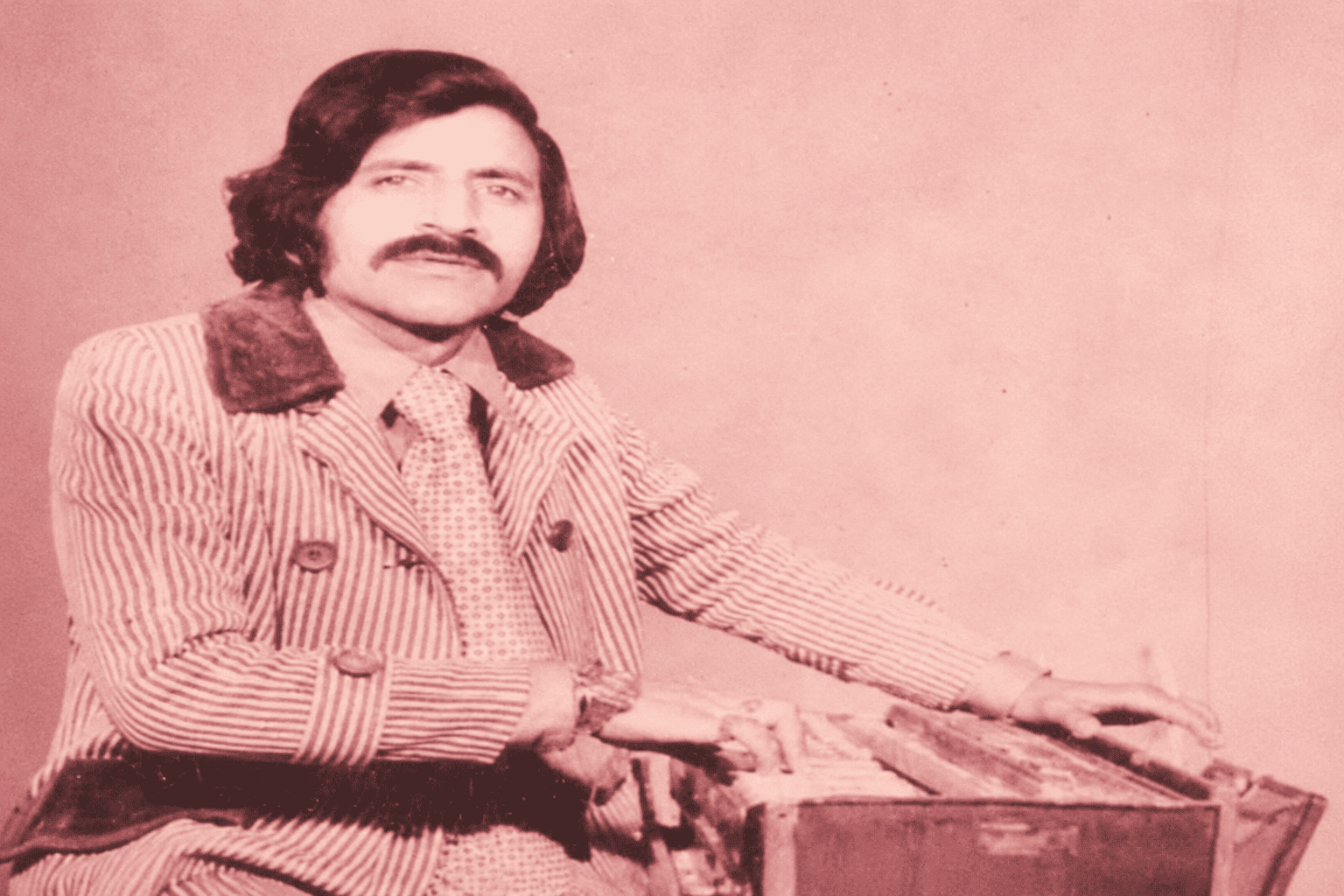
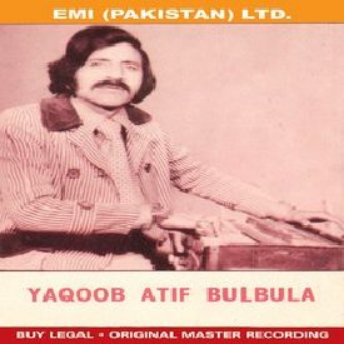
Long before hip-hop became a global phenomenon and decades before rap gained mainstream popularity across South Asia, Pakistan had already produced what is widely regarded as its first rap song. Released in October 1979, “Zindagi Pani Da Bulbula” by Yaqoob Atif Bulbula broke musical conventions with its rapid-fire vocal delivery, rhythmic spoken-word style and distinctly Punjabi flavour. Issued by EMI Pakistan, the song remains a remarkable milestone in the country’s musical history.
At a time when Pakistani popular music was dominated by film songs, ghazals and classical influences, Zindagi Pani Da Bulbula sounded unlike anything audiences had heard before. Rather than relying on melodic singing throughout, Bulbula delivered much of the track through quick, rhythmic speech over an upbeat instrumental arrangement. This style closely resembles what would later become globally recognised as rap, even though hip-hop culture itself had only just begun emerging in the United States during the late 1970s.
The song’s title translates roughly to “Life Is a Bubble of Water,” a poetic reminder of life’s fleeting and fragile nature. Beneath its lively rhythm lies a philosophical message rooted in Punjabi folk wisdom. The lyrics encourage listeners not to become consumed by material pursuits because life is temporary, comparing human existence to a water bubble that can disappear in an instant.
What makes the song especially fascinating is its originality. Yaqoob Atif Bulbula did not imitate Western rap artists. Instead, he developed his own energetic style by blending Punjabi oral storytelling traditions, humour and rhythmic recitation. His distinctive vocal performance, coupled with catchy instrumentation, created a uniquely Pakistani interpretation of spoken-word music years before rap became commercially established across much of the world.
The song quickly became a household favourite. Its memorable chorus, infectious rhythm and humorous yet thoughtful lyrics ensured its popularity across generations. Even listeners unfamiliar with the term “rap” found themselves captivated by Bulbula’s energetic delivery. Decades later, the song continues to be played on radio programmes, television retrospectives and social media platforms, introducing younger audiences to a pioneering chapter of Pakistan’s musical heritage.
ts enduring appeal was reaffirmed in 2013 with the release of the Pakistani film Zinda Bhaag, which introduced Pani Da Bulbula to a new generation through a contemporary rendition by Abrar-ul-Haq. Music director Sahir Ali Bagga reimagined the classic while preserving its infectious energy and philosophical essence. According to the filmmakers, the song’s central message—that life and worldly ambitions are as fleeting as a bubble of water—perfectly complemented the film’s story of three young men chasing dreams amid social and economic hardships. They also described the song as “quintessentially Pakistani,” filled with cultural references that continue to resonate with local audiences.
Yaqoob Atif Bulbula would go on to become one of Pakistan’s most recognisable folk-pop performers, but Zindagi Pani Da Bulbula remains his defining contribution. It occupies a unique place in the country’s cultural memory—not merely as a nostalgic hit, but as evidence that Pakistani musicians were experimenting boldly with new forms of expression long before such styles became fashionable.
More than four decades after its original release, Zindagi Pani Da Bulbula remains far more than a nostalgic hit. It stands as a landmark in Pakistan’s musical evolution—a song that blended folk wisdom with an innovative rhythmic style years before rap became a global mainstream genre. As Pakistani hip-hop continues to gain international recognition, the legacy of Yaqoob Atif Bulbula serves as a reminder that the country’s spirit of musical experimentation has deep roots, and that one of its earliest pioneers helped lay the foundation for a genre that would flourish decades later.


