A 28-piece collection and an original anthem, both made inside the Karachi neighborhood rather than about it.
When you hear Lyari, the first things that come to your mind are football, the rich cultural diversity, and the rappers who bring out one banger after another. It is Karachi’s own mini Brazil, the one pocket of a cricket-obsessed country where the beautiful game rules, and it does not really look, sound, or move like anywhere else in the city.
That separateness is the whole point of Lyari. It has its own slang, its own sound, its own colors on the walls, and a mural tradition older than most of the galleries in Karachi. Its rappers built a scene in Balochi and Urdu long before the mainstream came looking, and its football grounds have produced players for generations. Nowhere else in the city carries that many distinct things at once, which is exactly why Lyari has always read as a character of its own rather than just a neighborhood on a map.
None of that reaches a screen very often. Which is what makes the latest release from a Karachi streetwear label worth paying attention to. On July 31, 2026, Movement dropped LYARI, a 28-piece collection with an original anthem attached, and rather than borrowing the neighborhood as a theme, the brand built the entire thing inside it.
Inside Movement’s LYARI Collection
Movement was founded in Karachi in 2023 and has built its name on collections that come out of culture rather than seasonal trends. You may know it from the +92 collection it did with Wasim Akram, or the capsule with artist Adeel uz Zafar. The brand works to a stated ambition of being built in Pakistan and designed for the world, and it ships internationally rather than aiming only at the local market.
What makes this drop different is where it started. There was no mood board. The collection was built from the neighborhood itself, from the grounds and the players who never left them, the studios and cyphers, the painters who work on shop shutters instead of canvas. Lyari’s own language runs right through it, from phrases like “Lyari Dil Hai Jani” to the lettering, the colors, and the hand-drawn graphics.
The campaign images make the same point. They were shot against walls layered with pasted print, boxing training diagrams among them, a nod to the boxing clubs that have trained fighters here for decades. The 28 pieces were designed to one benchmark, that a garment should look just as right on a street in Lyari as on a shop floor in London without a stitch changing. That is a fairly bold ask for any Pakistani label, and it tells you who the brand thinks the audience is.
The Anthem and the Voices Behind It
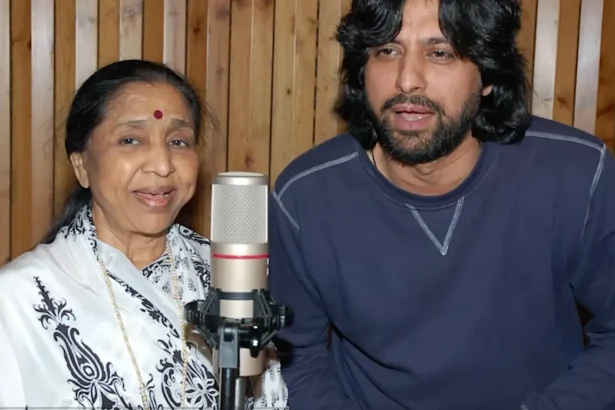
The anthem arrived the same day as the clothes, produced by Qasim Azhar and recorded with Eva B alongside MCs who grew up in the area, including Lil AK, Anch Killy, and Lil Killy. It went out as a standalone record on Spotify, Apple Music, YouTube, and every other major streaming platform, not buried in a campaign video.
It was written in the language those streets are actually spoken in, the slang, the cadence, the humor, the pace of a place that moves fast and does not explain itself to visitors. Nothing was softened for an outside ear. The film that goes with it was shot entirely on location, with people who live there on camera instead of actors hired to play them.
If you know one voice from Lyari, it is probably Eva B’s. Pakistan’s first major female rapper performs veiled and writes in both Urdu and Balochi, with the B in her name a nod to her Baloch roots. She broke nationally with the Coke Studio track Kana Yaari alongside Kaifi Khalil and Abdul Wahab Bugti. Speaking to the Express Tribune, she said that while Lyari is known for its footballers, artists, and musicians, its history of violence had come to define its public image.
She is not the start of the story either. The group now known as Lyari Underground formed in 2010, performing Balochi rap while hiding their identities, and only went public in 2015. Between them and artists like Kaifi Khalil, Lyari’s street culture reached national and then global ears long before fashion took any interest.
The collection went live exclusively through Movement’s online store at 4:00 p.m. on launch day, shipping to Pakistan, the UAE, Saudi Arabia, the United Kingdom, and Canada. Lyari’s walls carry a mural tradition older than most of the city’s galleries, and its slang has traveled further than most of its people have. Putting all of that on clothes, with the credits going to the people it came from, is the whole point.