


For centuries, few grains have commanded the global admiration that basmati rice enjoys today. Celebrated for its delicate aroma, long slender grains, and distinctive nutty flavour, basmati has transitioned from a regional luxury to a global culinary staple. While it is now coveted worldwide, its story begins in the fertile, sun-drenched plains of Punjab, where generations of farmers have carefully protected this agricultural treasure.
A Grain with Ancient Roots
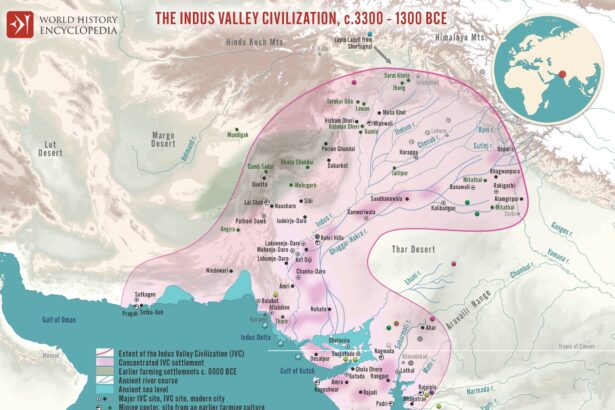
The history of basmati stretches back hundreds of years. The word itself is derived from the Sanskrit vasmati, translating to “fragrant” or “full of aroma.” Historical records and folklore indicate that aromatic rice varieties were cultivated in the Indus Basin long before modern borders were drawn. One of the earliest literary celebrations of basmati appears in the 18th-century Punjabi epic Heer Ranjha by the Sufi poet Waris Shah, who lovingly detailed the grain’s prominent place in traditional wedding feasts—reflecting its deep-rooted cultural and emotional significance.
The Secret of the “Kalar Tract”
Not every soil can yield authentic basmati; its excellence is intensely bound to its terroir. The heartland of premium basmati lies in Punjab’s famous Kalar Tract—districts including Gujranwala, Hafizabad, Sheikhupura, Narowal, and Sialkot. Here, a perfect natural recipe of mineral-rich alluvial soils, snow-fed Himalayan River waters, and distinct day-night temperature swings coaxes the plant to perfection.
Scientifically, this unique environment triggers the accumulation of 2-acetyl-1-pyrroline, the compound responsible for basmati’s pandan-like fragrance. Furthermore, traditional farmers age the harvested paddy for up to two years. This crucial aging process dries out moisture and cures the starches, allowing the grains to expand to twice their length during cooking without breaking or sticking.
From the Indus to the International Stage
During the colonial era, expanding trade networks and modern shipping lanes introduced basmati to international shores. Following independence in 1947, Pakistan solidified its position as a global guardian of this premium grain. In 2021, Pakistan successfully registered Basmati as a Geographical Indication (GI), legally protecting its heritage. Today, Pakistani basmati is exported to over a hundred countries across the Middle East, Europe, and North America, serving as the irreplaceable canvas for iconic dishes like biryani, pulao, and festive desserts.
A Symbol of Agricultural Heritage
Basmati is more than an export commodity; it is a living symbol of Pakistan’s agricultural identity. Behind every harvest lies centuries of ancestral wisdom passed down through generations of farming families. As global demand for premium, authentic foods continues to rise, Pakistan’s basmati rice remains one of the country’s most cherished agricultural crown jewels—a remarkable journey from the mud of Punjab to the finest dining tables of the world.