



New York City Mayor Zohran Mamdani visited Rikers Island on July 15, 2026, during a FIFA World Cup semifinal watch party organized for inmates at the city’s largest jail complex. The visit quickly drew widespread attention, not only because it coincided with one of the tournament’s biggest matches but also because it took place at a facility that has long been at the center of debates over jail conditions and criminal justice reform.
The event was held inside a gymnasium at Rikers Island, where more than 100 inmates gathered to watch the World Cup semifinal between England and Argentina on a large projection screen. According to the New York City Department of Correction, attendance was limited to inmates who had maintained good behavior, including remaining free of disciplinary incidents for at least 30 days. Officials said the screening was one of around 90 World Cup watch parties held throughout the tournament, with approximately 4,500 of the jail’s nearly 6,600 inmates participating in at least one match viewing.
Mayor Mamdani arrived shortly before kickoff and spent time speaking with inmates before the match began. During the visit, he greeted attendees, discussed the game with several inmates, and congratulated one individual who said he was scheduled to be released later that day. Speaking about the event, Mamdani described the World Cup as “a magical moment for the entire city” and added that those incarcerated at Rikers “are New Yorkers, and they will be New Yorkers when they get out of Rikers.”
The Department of Correction said the watch parties were part of an incentive-based program designed to encourage positive behavior inside the jail. Correction Commissioner Stanley Richards stated that structured recreational activities can contribute to safer facilities by rewarding good conduct and promoting a more stable environment. Richards, who was previously incarcerated at Rikers himself, has also said that such programs recognize the dignity of incarcerated individuals while supporting institutional safety.
The mayor’s visit came at a time when Rikers Island remains under intense public and federal scrutiny. Just a day before the watch party, the federal monitor overseeing court-ordered reforms released a report highlighting continued problems at the jail complex. The report described ongoing violence, staff shortages, security failures, and unsafe conditions, concluding that unconstitutional conditions continue to exist despite years of reform efforts.
Rikers Island has been the subject of sustained criticism for more than a decade, with concerns ranging from inmate violence and overcrowding to staffing challenges and deteriorating infrastructure. Federal oversight remains in place as New York City continues working toward reforms aimed at improving conditions throughout the correctional system. Mayor Mamdani has previously reaffirmed his support for closing Rikers Island, in line with New York City’s 2019 law that mandates replacing the facility with smaller borough-based jails. However, he has acknowledged that the original 2027 closure deadline is unlikely to be met because construction on the replacement facilities has fallen behind schedule.
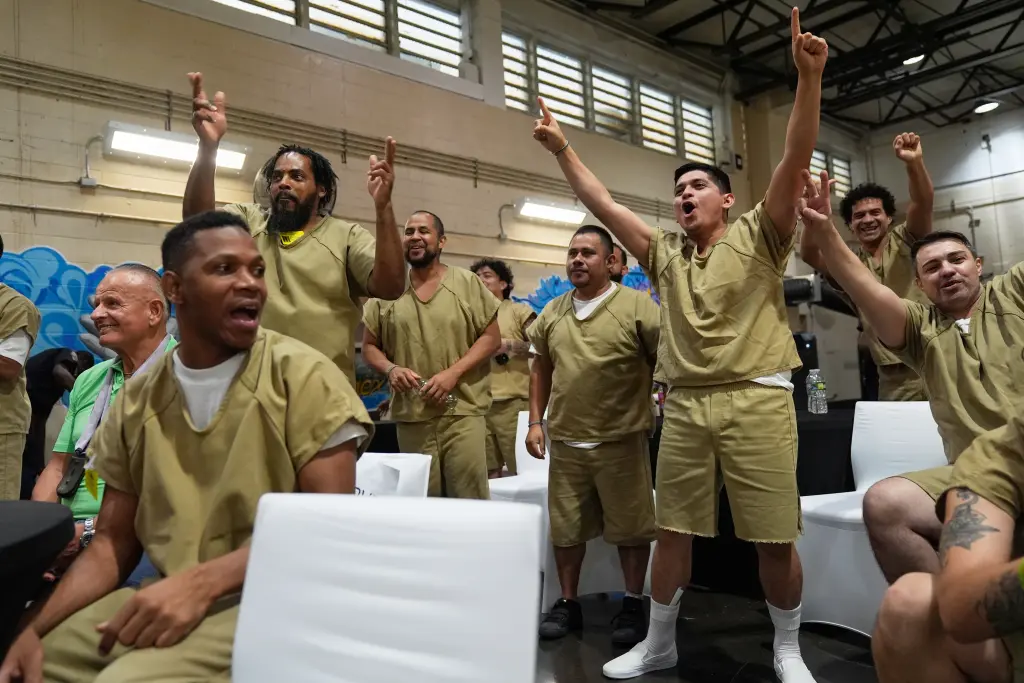
The visit prompted significant public discussion. Supporters argued that behavior-based programs are a recognized part of correctional management and that allowing eligible inmates to watch major sporting events can encourage good conduct while helping maintain order inside the facility. Critics, meanwhile, questioned the optics of the mayor attending a recreational event at a jail that continues to face serious operational and humanitarian challenges. The differing reactions reflected broader debates surrounding correctional policy, rehabilitation, and public leadership.
The World Cup semifinal itself ended with Argentina defeating England 2-1, securing a place in the tournament final against Spain. While the match was the focus for those gathered inside the gymnasium, the mayor’s appearance transformed the event into a national news story. The visit brought renewed attention to Rikers Island, highlighting both the incentive programs operating within the facility and the ongoing challenges that continue to shape discussions about the future of New York City’s jail system.