


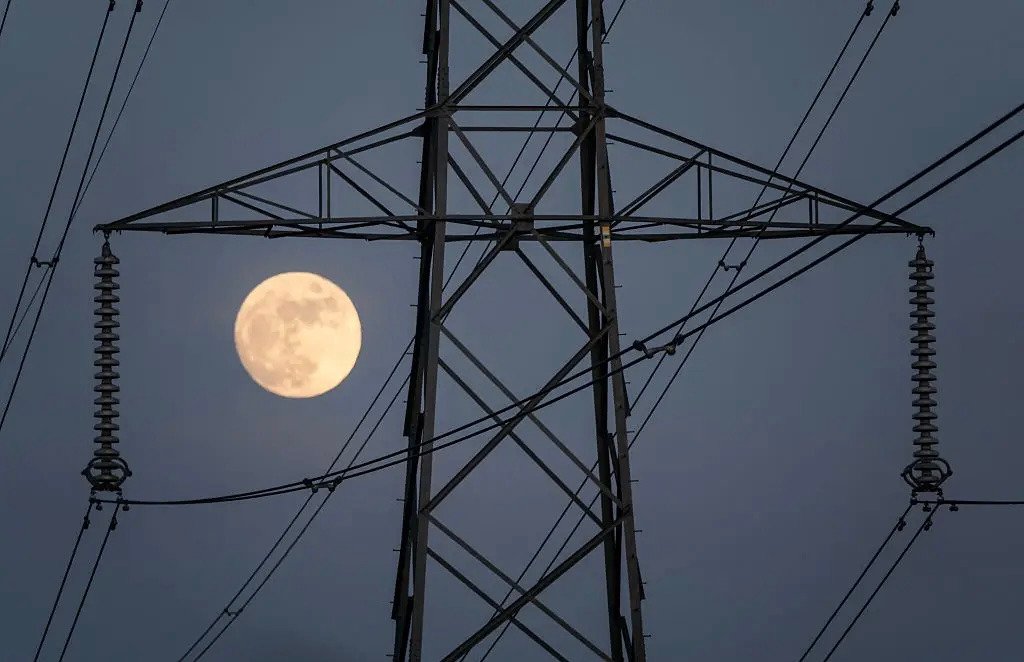
The United Kingdom is preparing for a potential large-scale electricity outage known as a “Black Sky” event, which could disrupt power, water supplies, communications, transport and other essential services. The emergency planning comes as authorities examine how infrastructure would function during an extended electricity failure.
The government has said there is no specific threat to the electricity grid. The preparations are intended to improve emergency resilience rather than indicate that a nationwide blackout is imminent.
A Black Sky event describes a widespread and prolonged electricity outage that affects critical infrastructure and services dependent on power.
Electricity supports household heating, water distribution, telecommunications, transport systems and commercial operations. A major interruption could therefore affect several services simultaneously.
The UK government’s emergency preparedness campaign advises households to prepare for disruptions lasting at least three days. The guidance includes keeping essential supplies available and identifying alternative ways to receive emergency information.
The December 2015 floods in Lancaster provide an example of how electricity disruptions can affect a community.
At 22:45 on 5 December 2015, flooding from the River Lune caused the electricity supply to fail for approximately 61,500 people.
The outage affected homes, businesses and public services. Some water supplies began failing because they depended on electrically powered pumps. The railway station, petrol stations and shops also closed, while most cash machines stopped operating.
Traffic lights failed, creating additional difficulties for transport. Communication services were also affected. Copper-wire landline telephones and FM radio continued working during the disruption. Local commercial radio station The Bay used an emergency generator and a landline to provide information.
The incident prompted engineers and emergency planners to examine how communities could maintain essential services during prolonged power failures.
The BBC is preparing an emergency radio operation designed to continue broadcasting during a major infrastructure failure.
According to the BBC report, approximately 100 staff members would operate a dedicated emergency radio studio. The facility would have communication systems independent of the internet and enough food, water and fuel to operate for at least three days without resupply.
The service would broadcast pre-arranged government messages containing practical information for the public.
These messages could include instructions about drinking water, emergency supplies and disposing of toilet waste if normal sanitation services were disrupted.
The broadcasting plan also involves radio transmission towers equipped with diesel generators. The BBC report states that these generators have fuel storage capacities ranging from 5,000 to 40,000 litres.
FM radio is included because it can provide information when internet connectivity and other communication systems are unavailable. Africa Front +1
The UK government’s Be Ready campaign recommends keeping supplies available to manage emergencies lasting three days.
The official guidance recommends:
- Three litres of drinking water per person per day.
- Three days of non-perishable food.
- A battery-powered or wind-up radio.
- A torch and spare batteries.
- A charged power bank.
- Cash for essential purchases.
- Important telephone numbers and medical information.
The government also advises households to keep refrigerators and freezers closed during power cuts to preserve their contents.
People who require additional support during emergencies can register with their electricity supplier’s Priority Services Register.
The government recommends using torches instead of candles because they are safer during electricity outages. Be Ready
A prolonged electricity outage could affect mobile networks and internet services because telecommunications infrastructure relies on electricity.
The UK is also developing high-altitude platforms intended to provide emergency mobile phone and internet connectivity when ground-based networks fail.
The BBC report states that the government is investing £70 million in developing these platforms.
The proposed systems would operate above the ground and provide communication services during emergencies. Their development forms part of wider efforts to improve infrastructure resilience.
The government has also examined the reliability of existing emergency communication systems as part of its preparedness planning. Africa Front
Large electricity outages have occurred in other countries. In April 2025, a major blackout affected Spain and Portugal, with disruption also reported in a small area of southwestern France.
The incident demonstrated how electricity disruptions can affect interconnected infrastructure and essential services.
The UK has also experienced major regional electricity outages, including the Lancaster floods in 2015. However, the government has stated that Great Britain has never experienced a complete nationwide electricity blackout.
The preparations for a Black Sky event focus on reducing the consequences of a potential future outage and ensuring that essential information remains available.
The UK’s Black Sky preparations focus on maintaining essential services and providing emergency information during a prolonged electricity outage.
The BBC’s emergency broadcasting plan, government preparedness guidance and development of alternative communication systems form part of these measures.
Although a nationwide blackout has not occurred in Great Britain, previous electricity disruptions have demonstrated how power failures can affect water supplies, transport, businesses and communication networks.
The government’s current guidance recommends that households maintain essential supplies for three days and prepare for temporary interruptions to normal services.
These measures are intended to support emergency response and improve preparedness for potential infrastructure disruptions.