
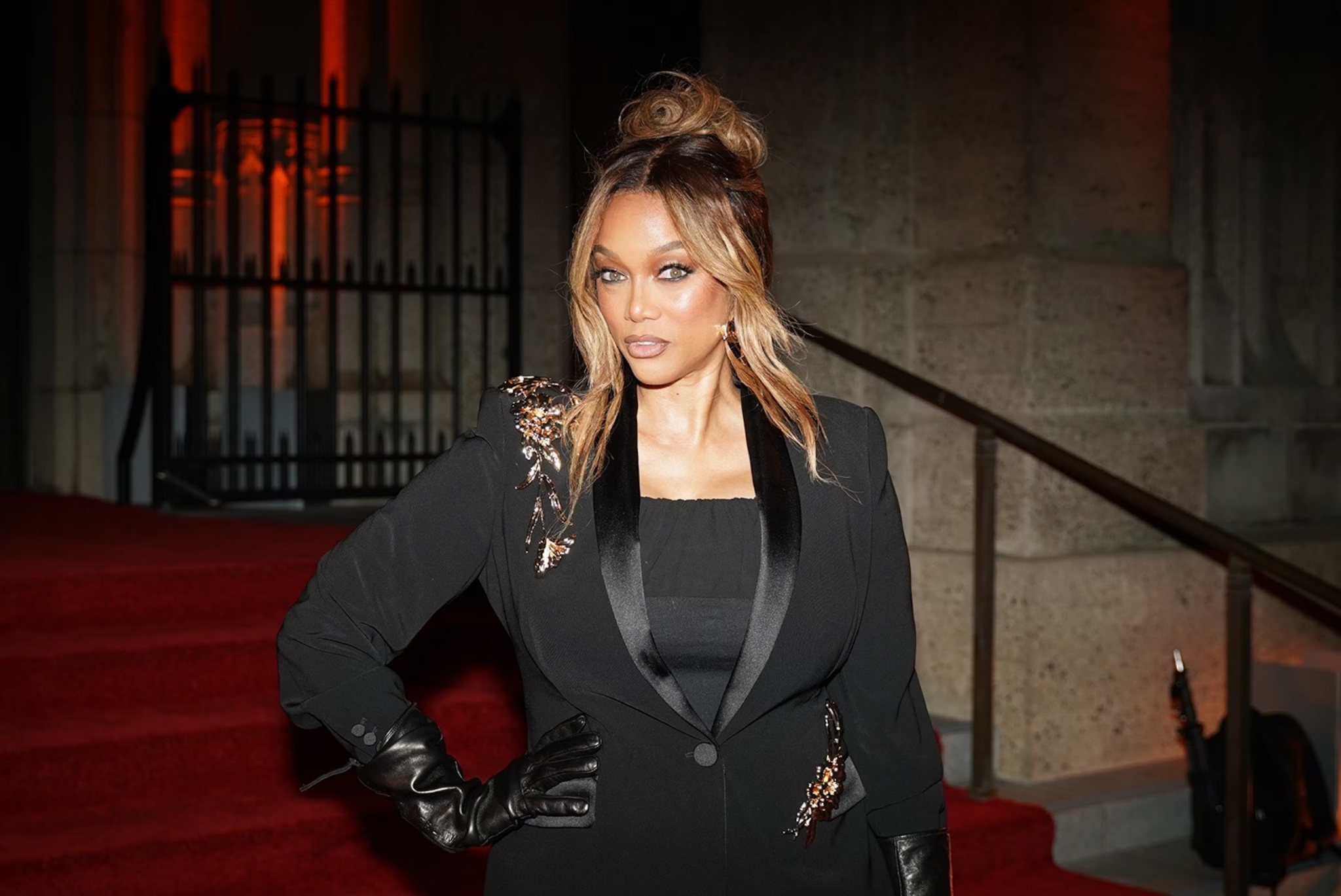
Tyra Banks has filed a defamation lawsuit against Netflix and the filmmakers behind the documentary series Reality Check: Inside America’s Next Top Model, claiming that her participation in the project was manipulated through selective editing to create a false and damaging portrayal of her role in the long-running reality television franchise. The lawsuit was filed in federal court in Los Angeles on June 13, 2026.
According to court documents, Banks alleges that producers conducted a three-and-a-half-hour interview with her for the documentary but ultimately used only about 16 minutes of footage in the final version. She claims that key portions of her interview, including comments in which she accepted responsibility for some of the controversial aspects of America’s Next Top Model (ANTM), were omitted from the series. Banks argues that the edited footage was presented in a way that distorted her views and created what she describes as a “false and defamatory narrative.”
The lawsuit names Netflix, documentary directors Daniel Sivan and Mor Loushy, and production company EverWonder Studio as defendants. In addition to seeking damages, Banks is requesting a jury trial and has also sought an injunction related to the use of her image in connection with the documentary’s soundtrack release.
A major focus of the lawsuit concerns the documentary’s discussion of allegations made by former contestant Shandi Sullivan. Sullivan appears in the docuseries and discusses an incident that she has described as a sexual assault that allegedly occurred during the filming of ANTM in Italy. Banks contends that the documentary falsely suggests she knowingly allowed the alleged incident to be ignored and later failed to remember it. Her legal team argues that this portrayal is inaccurate and unsupported by the facts.
Banks further alleges that she was not informed in advance that Sullivan’s allegations would be featured in the documentary and was therefore not given a meaningful opportunity to respond to them during her interview. According to the lawsuit, her answers were later edited in a manner that implied indifference or a lack of accountability.
The legal complaint also challenges other claims presented in the documentary. Among them is a statement from former ANTM judge J. Alexander, also known as Miss J, who suggested that Banks did not contact him after he suffered a stroke. Banks disputes that allegation and reportedly claims she made efforts to reach out but was unable to connect initially. Her lawsuit argues that the documentary omitted important context surrounding that situation as well.
Reality Check: Inside America’s Next Top Model premiered on Netflix in February 2026 and revisits the legacy of the reality competition series that aired for 24 seasons between 2003 and 2018. The documentary examines the show’s cultural impact alongside criticisms that have emerged in recent years, including allegations of body shaming, contestant manipulation, problematic challenges, and questionable production practices. The series features interviews with former contestants, judges, producers, and Banks herself.
Before filing the lawsuit, Banks had publicly acknowledged some criticism of ANTM. In previous statements, she said there were moments on the show that she would approach differently today and acknowledged what she described as “off choices” and insensitive moments from earlier seasons. Her lawsuit argues that these acknowledgments were largely excluded from the final documentary despite being discussed during her interview.
The documentary’s producers previously stated that Banks participated as an interview subject only and had no creative control over the project. Netflix’s promotional materials emphasized that the documentary sought to present a comprehensive examination of ANTM’s legacy through interviews with key figures connected to the franchise.
Since the documentary’s release, Banks claims she has experienced significant reputational harm. The lawsuit alleges that public reaction to the series negatively affected her personal brand and business ventures, including online reviews of her ice cream company. Banks argues that the documentary’s portrayal has damaged both her professional reputation and future business opportunities.
Netflix has not publicly commented in detail on the allegations contained in the lawsuit. The case is expected to focus on whether the documentary’s editing and presentation of Banks’ interview crossed the legal threshold for defamation or whether the filmmakers’ editorial decisions are protected under free speech and documentary filmmaking standards. As of now, the claims remain allegations, and the court has not ruled on the merits of the case.