

Pakistan has a diversity of geography and culture which few other nations of similar sizes have but the tourism industry in this nation is underdeveloped as compared to its natural assets. From the glaciers in the north to the relatively unexplored coastline of Balochistan and the layers of historical structures in the Indus Basin, the tourism assets of this nation fall into categories of ecology, recreation and civilization. To understand why this potential hasn’t been translated into any economic benefits for the nation will be seen through an individual study of every region and not through the tourism industry as a whole.
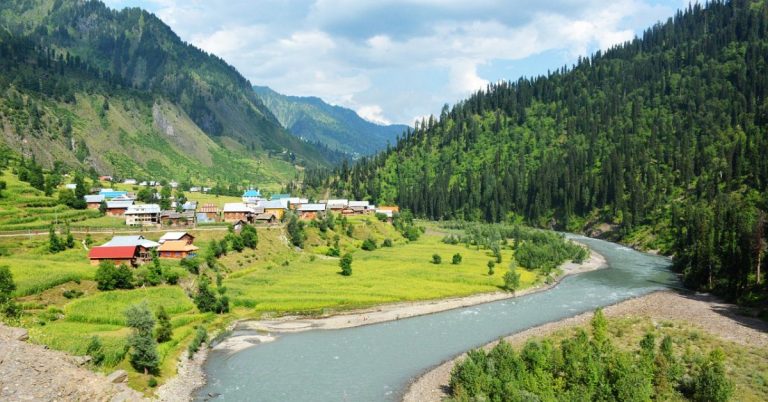
Hunza, Skardu and Swat make up the most renowned region of Pakistani tourism. The terraces of orchards in Hunza, the presence of K2 and Deosai Plains in Skardu and the alpine meadows of Swat provide visitors with what can be compared to the beauty of the Swiss Alps, even though this comparison is unfair because there are some unique elements present in these regions of Pakistan. These are the elements of adventure tourism, trekking, mountaineering and now skiing amidst the cultural traditions of the Wakhi and Balti tribes.
The first limitation is that of infrastructure, whereby the road network linking through the Karakoram Highway is prone to landslides, and although the accommodation facilities have improved, they do not meet up with the seasonal demands.
Coastal Balochistan provides a completely contrasting example. This part of Pakistan extends along the Arabian Sea, starting from Hingol National Park down to Gwadar, and despite having mud volcanoes, rocky structures in Kund Malir, and an economic potential through its port activities, has failed to attract attention because of lack of awareness and security threats. It appears that any future strategy for developing this coastline should take into consideration issues of governance and connectivity alongside infrastructure.
Sites of cultural heritage such as Mohenjo-daro, Taxila, Mughal architecture of Lahore, and Buddhism of Gandhara make up the third category which is distinctive in its nature. It targets a narrow but highly significant market segment interested in learning and history rather than entertainment. The underdevelopment of the potential is due to the insufficient financing of heritage preservation and insufficient international promotion rather than the lack of historical significance.
Thus, all these three categories indicate the fact that Pakistan’s tourism potential is not homogeneous but consist of parallel potentials that require different policies. Unification of mountain, coastal, and heritage tourism into one “tourism sector” will lead to resource misallocation. The better strategy would be to understand the need for different investment priorities, security measures, and promotion of each of these regions.