

By using this site, you agree to the Privacy Policy and Terms of Use.
Accept
The Expat StoryThe Expat StoryThe Expat Story
Font ResizerAa
  • HOME
    • ENTERTAINMENT
      • Celebrity
    • LIFESTYLE
      • CULTURE
      • HUMAN INTEREST
    • NEWS
      • PAKISTAN
      • AUTOMOTIVE
      • HEALTH
    • REVIEWS
      • TOURISM
      • SPORTS
      • VIRAL TRENDS
  • NEWS
  • REVIEWS
  • Contact us
  • About Us
  • Privacy Policy
Reading: The Gandhara Civilization and Buddhist Archaeological Sites in Pakistan
Share
Font ResizerAa
The Expat StoryThe Expat Story
  • HOME
  • NEWS
  • PODCASTS
  • REVIEWS
Search
  • ENTERTAINMENT
    • HUMAN INTEREST
    • CELEBRITY
  • LIFESTYLE
    • CULTURE
  • NEWS
    • PAKISTAN
    • AUTOMOTIVE
    • HEALTH
  • REVIEWS
    • TOURISM
    • SPORTS
    • VIRAL TRENDS
  • Contact us
  • About Us
  • Privacy Policy
Follow US
© 2026 The Expat Story. All Rights Reserved.
The Gandhara Civilization and Buddhist Archaeological Sites in Pakistan
Mass Image Compressor Compressed this image. https://sourceforge.net/projects/icompress/ with Quality:80
PAKISTAN

The Gandhara Civilization and Buddhist Archaeological Sites in Pakistan

Written by:
Bilal Akram
Last updated: July 2, 2026
Share

Gandhara is a unique place in terms of history of art and religion: this civilization became a place of interaction of Hellenistic sculptural traditions and Buddhist motifs which would later form the basis of Buddhist religious art in Central and East Asia. To understand why this area is so important, one should shift his focus from the idea that it is a place of ancient cultural interaction and ask questions about what particular conditions allowed for such synthesis and why its heritage has not been fully absorbed by modern heritage policy.

The importance of Gandhara is due to its location and time period. After the invasions of Alexander the Great and the establishment of the Hellenic presence in this area, Hellenistic artistic tradition, including naturalistic drapery, contrapposto poses, and idealization of face proportions were available to artists who worked in developing Buddhist tradition which had not used any figurative depiction of Buddha before.

This corpus of sculpture was created during the period between the first and fifth century CE in a manner which is neither borrowing nor imposition, but a proper artistic engagement, possible only due to the geographical position of Khyber Pakhtunkhwa on the nexus of trade routes connecting South Asia, Central Asia, and the Mediterranean World. It is not mere decorative history but a demonstration of the extent to which religious iconography can be influenced through contact as much as through theological evolution.

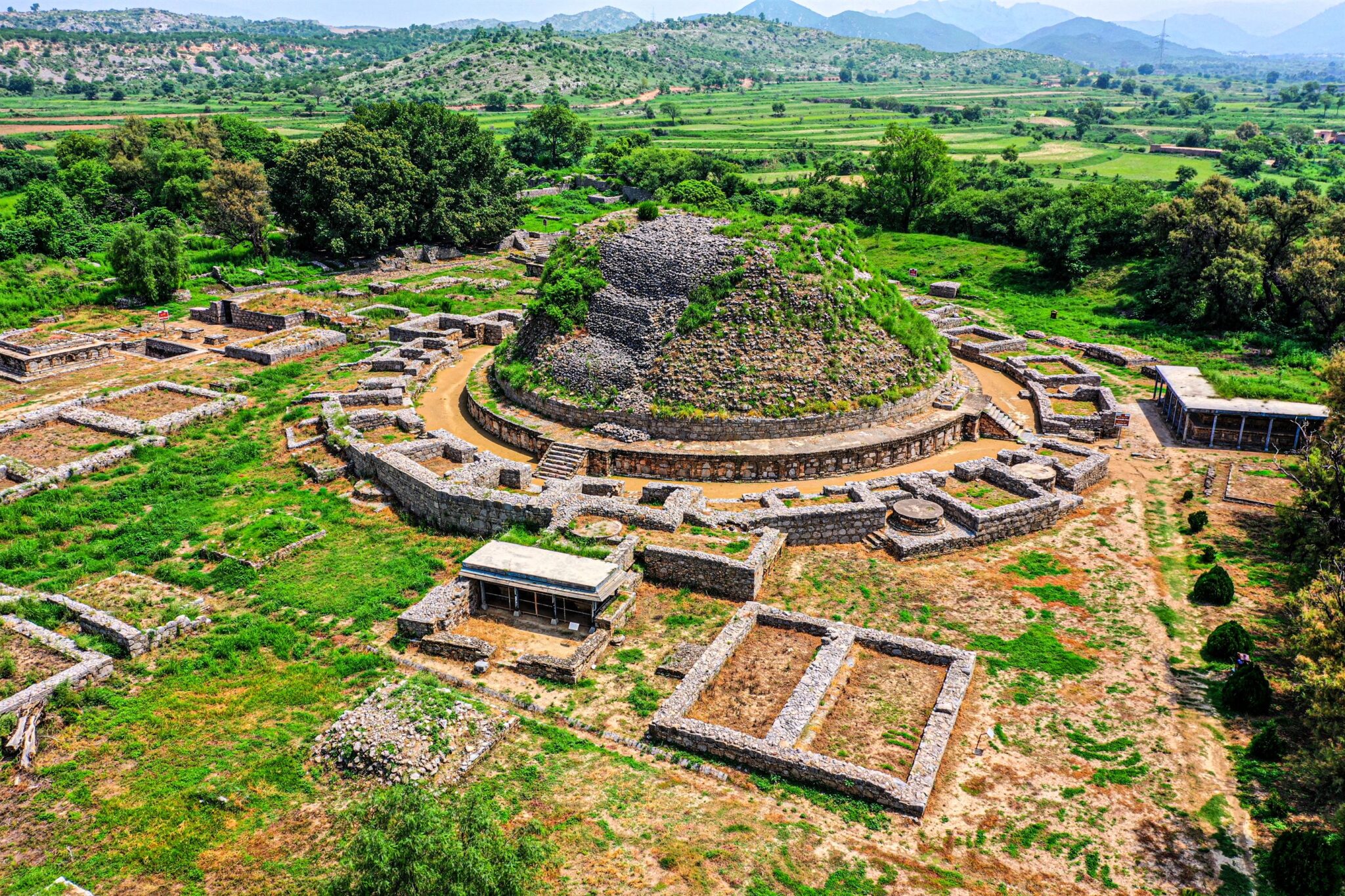
There are a number of archaeological sites in the province like Takht-i-Bahi, which is perhaps the most preserved Buddhist monastic site in South Asia. There are other stupas and monastic remains all over the valley of Swat, which were a very important center of Buddhist learning until its eventual downfall after the transformation of the region politically and religiously during the medieval period. The difference of these sites compared to other heritage sites elsewhere lies in the amount of material left over within the limited geography.

The problem remains that this legacy finds itself at the periphery of the concerns of national tourism and conservation programs, even though its importance to art historians, and to the Buddhist majority countries from which part of the region’s religious heritage stems, is well known. Constraints of funding for conservation, poor management of sites, and infrastructure problems common to the rest of the province have kept scholars and foreign tourists away from these sites.

A reassessment of Gandhara’s heritage sites must, therefore, view these as an example of a phenomenon that is not unique to Gandhara, but one that is exemplified by the region: that of the contribution made by frontier zones to human history through their openness to multiple cultures.

Share This Article
Facebook Email Print
Previous Article Pakistan's Contributions to UN Peacekeeping Missions Pakistan’s Contributions to UN Peacekeeping Missions
Next Article Pakistani Diaspora Successes and Its Contribution to Home
Leave a Comment

Leave a Reply Cancel reply

Your email address will not be published. Required fields are marked *

Stay Connected

FacebookLike
XFollow
InstagramFollow
YoutubeSubscribe
TiktokFollow

You Might Also Like

Trump Signals Possible Visit to Islamabad Amid US-Iran Deal Talks
PAKISTAN

Trump Signals Possible Visit to Islamabad Amid US-Iran Deal Talks

Donald Trump has indicated that he may travel to…

Writen by
Kayenat Kalam
April 17, 2026
EntertainmentPAKISTAN

Legacy Check: Pakistan’s Fascination with Rural Dramas

HUM TV’s Zanjeerain is currently winning the TRP battle…

Writen by
Omair Alavi
June 26, 2026
Why Pakistani Cinema’s Triple Treat Is Worth Your Time This Eid
EntertainmentPAKISTAN

Why Pakistani Cinema’s Triple Treat Is Worth Your Time This Eid

Eid al-Adha has traditionally been one of the most…

Writen by
Omair Alavi
May 25, 2026
Pakistan's Kinnow and Basmati Rice Exports Hit Record Numbers
PAKISTAN

Pakistan’s Kinnow and Basmati Rice Exports Hit Record Numbers

Pakistan climbs to third place in global rice exports…

Writen by
TheExpatStory
February 24, 2026

The Expat Story — Your window to global news, trends, and stories that matter.

  • HOME
  • NEWS
  • PODCASTS
  • REVIEWS
  • Contact us
  • About Us
  • Privacy Policy
Welcome Back!

Sign in to your account

Username or Email Address
Password

Lost your password?