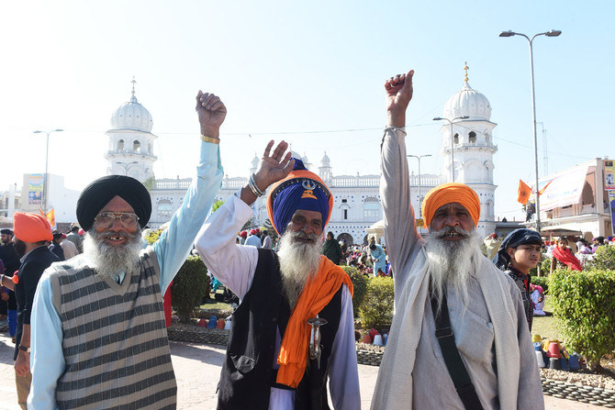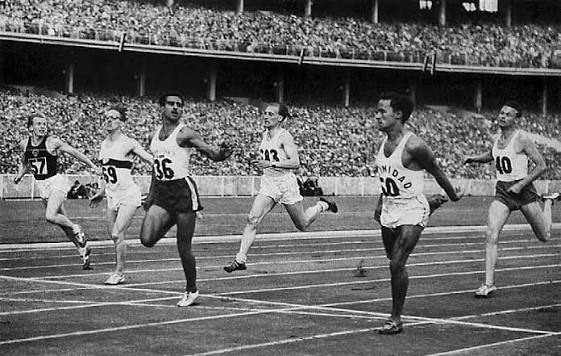



The day when power was transferred, an oath was taken, and a nation formally came to life.
In Pakistan, every Independence Day the flags come out, the parades roll through the streets and the anthem rings across the country. But the very first one was something else entirely. On August 14, 1947, the country was not marking an anniversary. It was living the moment itself, the day a new nation formally stepped onto the world stage. From the ceremonial heart in Karachi to the celebrations lighting up Lahore, Dhaka and countless towns and villages, it was a day unlike any before or since.
To witness that day anywhere in the new country was to see history being made in real time. The ceremonies, the speeches, the crowds in the streets, all of it belonged to a nation that had existed only in aspiration until that very moment. Understanding what actually unfolded, both in the capital and across the land, brings the birth of the nation into sharp, human focus.
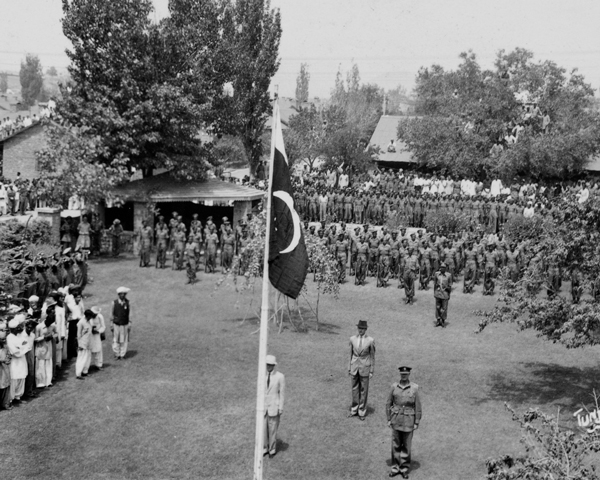
The Transfer of Power at the Constituent Assembly
The formal heart of the day took place at the Constituent Assembly in Karachi, the new nation’s first capital, where the transfer of power was carried out. It was here that authority over the new dominion was handed over, and the machinery of an independent state was set in motion.
The Assembly had already begun its work, having convened for its inaugural session days earlier, and the ceremony gave that new institution its full authority. The occasion carried enormous weight. This was the body that would go on to shape the young country’s laws and direction, and its first days marked the practical beginning of self-governance. After years of struggle and negotiation, the responsibility for the nation now rested in its own hands. Documents were signed, authority was conferred, and in the span of a ceremony a homeland fought for across decades became a functioning reality with its own government and its own destiny.
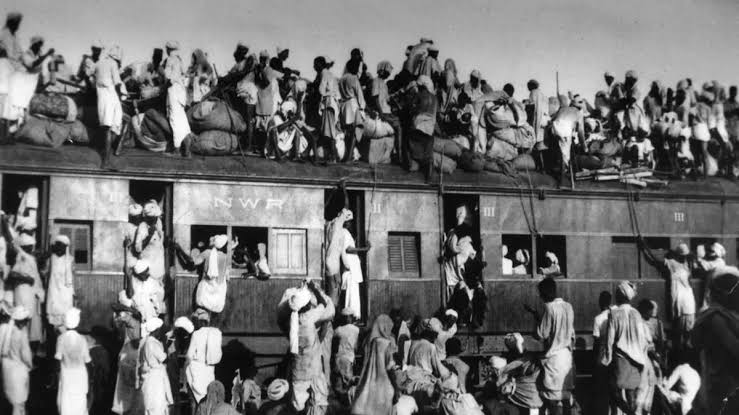
Quaid-e-Azam’s Oath as Pakistan’s First Governor-General
At the centre of it all stood Muhammad Ali Jinnah. Revered as Quaid-e-Azam, the great leader, he took his place as the first Governor-General of Pakistan, the highest office in the new dominion. His assumption of the role was the human symbol of everything the day represented.
Jinnah had led the movement for a separate homeland through years of relentless effort, and now he stood at its head as it came into being. Alongside him was his sister, Fatima Jinnah, later honoured as Madar-e-Millat, the Mother of the Nation, a constant presence at his side through the long journey to independence. In his address to the Constituent Assembly around this time, Jinnah set out a vision of the state that has echoed through the decades since, speaking of a country in which every citizen, whatever their background or belief, would be free and equal in the business of the state. Those words, delivered at the very dawn of the nation, would become one of the most quoted passages in its history.
Celebrations From Karachi to Dhaka
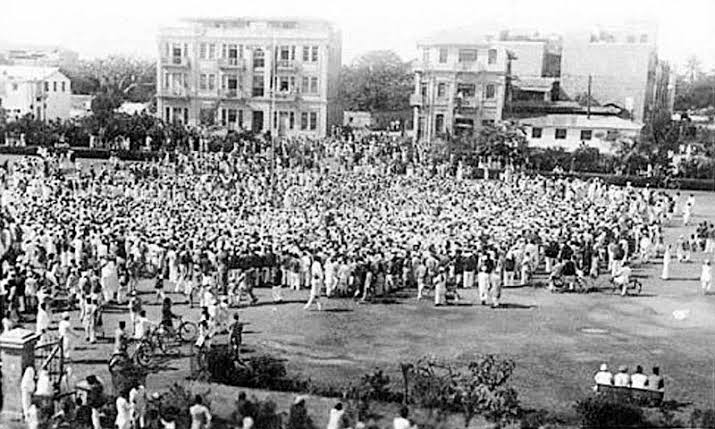
Beyond the formal ceremonies in the capital, the whole of the new country came alive with the electricity of the occasion. The nation Pakistan inherited that day stretched across two wings separated by more than a thousand miles, and the celebrations reflected that vast geography.
In Lahore, the great cultural city of Punjab, crowds thronged the streets and public buildings were illuminated as people marked the arrival of the homeland they had campaigned for. Far to the east, in Dhaka, the capital of what was then East Bengal, jubilant processions and gatherings welcomed the birth of the new state with equal fervour. In Peshawar, Quetta and towns and villages across every province, ordinary people raised the new flag, offered prayers of gratitude and gathered to share in a moment that belonged to all of them. Radio carried the news outward, knitting distant regions together in a single shared occasion.
For citizens everywhere, this was not a distant event reported from elsewhere. It was happening on their own doorsteps, in their own streets, and they were the first people ever to walk through an independent Pakistan. That first Independence Day set the template for every one that followed, and while the celebrations now stretch across the entire country each August, the memory of that original day, when a nation formally came to life across its many cities and provinces, remains the wellspring of it all.
As Pakistan marks another Independence Day, remembering what actually happened on August 14, 1947 offers a chance to connect with the raw, real beginning of the nation, not as a date on a calendar, but as a day that people across the land lived, witnessed and never forgot.