
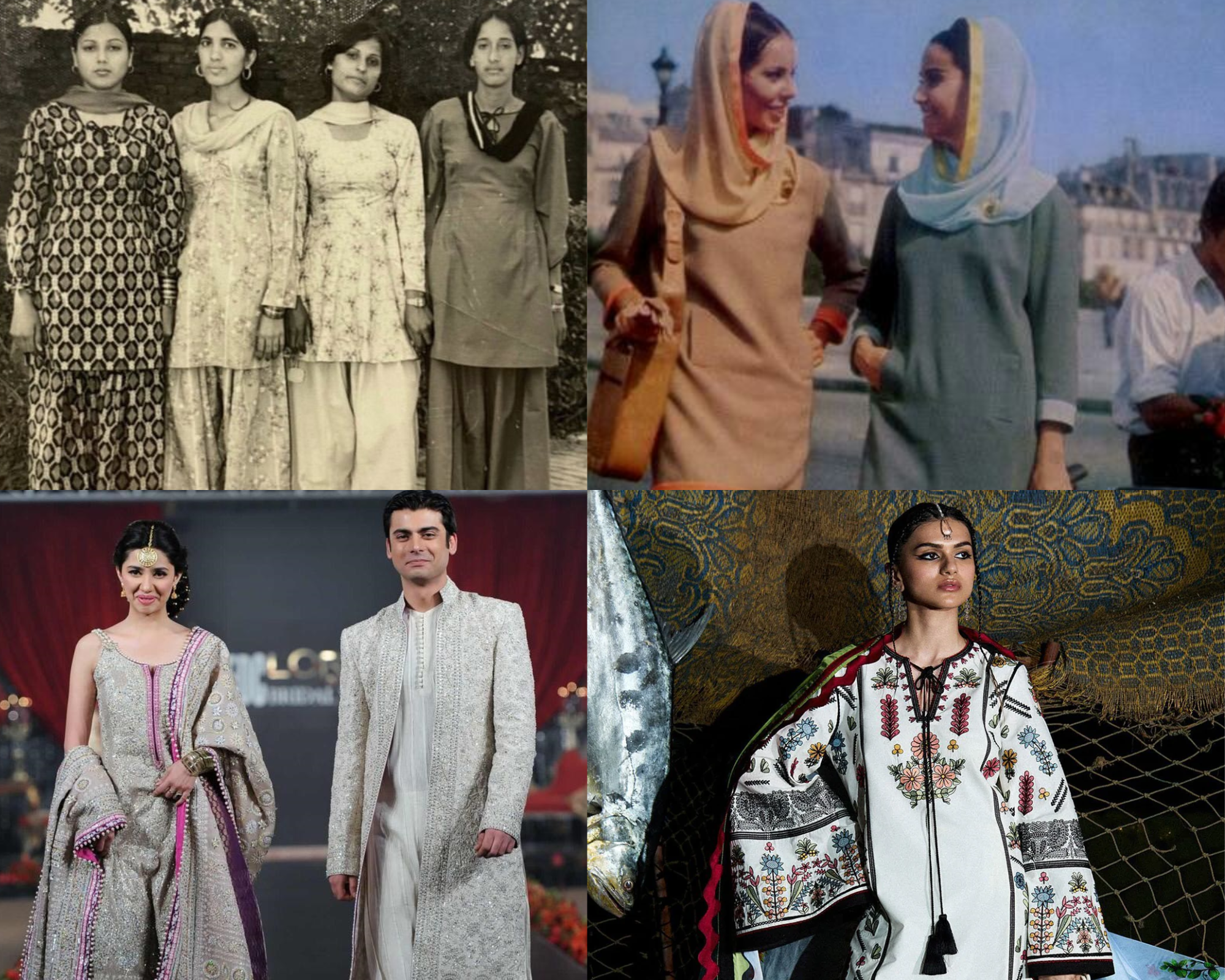
Fashion has always been a reflection of society, and in Pakistan, it tells a story that goes far beyond clothing. Every decade has brought new influences, shaped by history, politics, culture, and changing lifestyles. While trends have evolved over time, one thing has remained constant: Pakistan’s deep appreciation for traditional craftsmanship and textiles. From the elegant silhouettes of the early years after independence to today’s globally recognized designers, Pakistani fashion has continually evolved while staying rooted in its heritage.
The Early Years: 1940s and 1950s
After gaining independence in 1947, Pakistan was in the process of building its national identity, and clothing became an important part of that journey. Practicality and modesty defined everyday fashion. Women commonly wore shalwar kameez, ghararas, and sarees made from locally produced cotton, silk, and handwoven fabrics. Men mostly wore shalwar kameez for daily wear, while sherwanis were reserved for formal occasions and Western-style suits became popular in professional settings.
The migration that followed Partition also shaped fashion in meaningful ways. Families arriving from different regions of the subcontinent brought with them unique embroidery styles, tailoring techniques, and textile traditions. These regional influences gradually blended together, creating a distinctly Pakistani approach to dress.
The 1960s
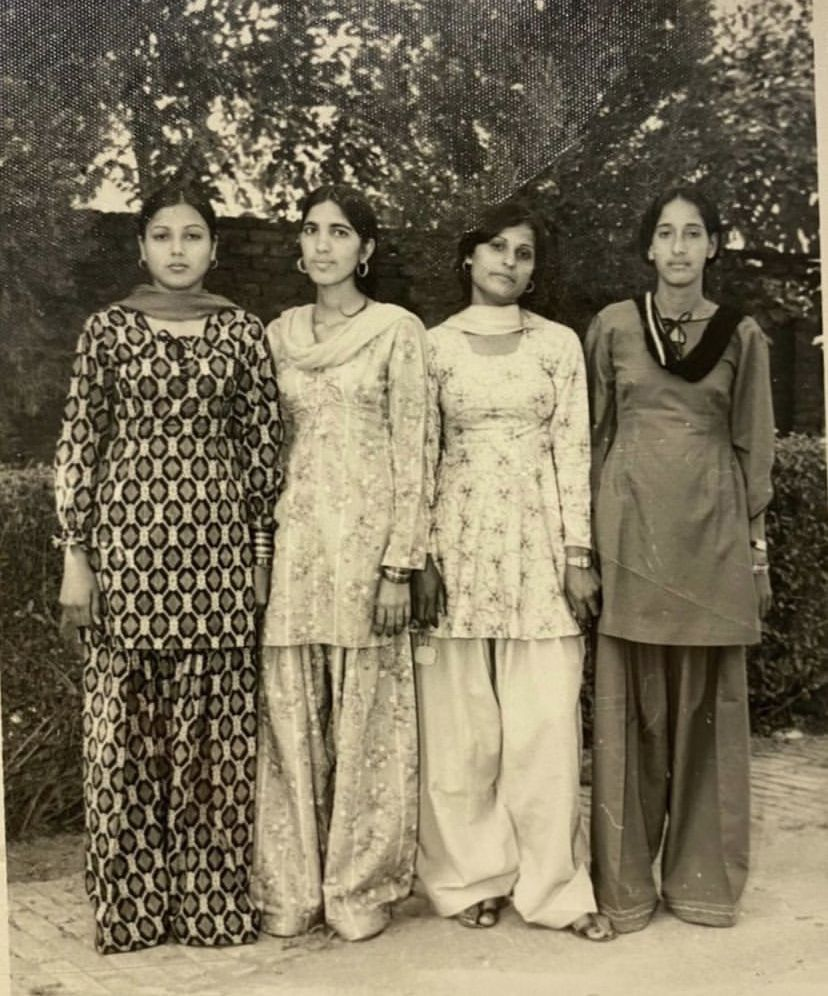
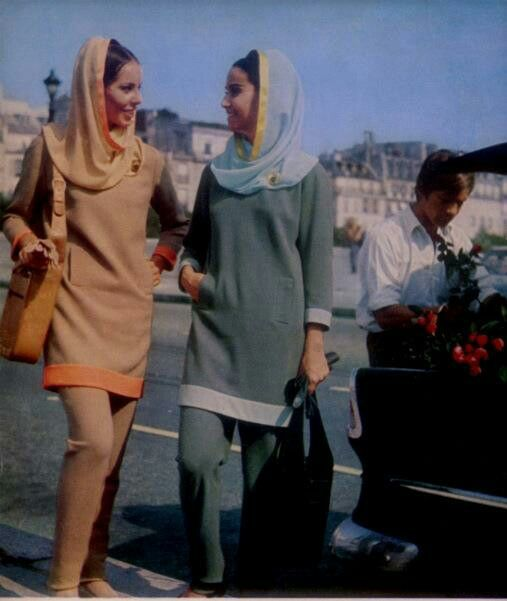
The 1960s were marked by economic growth and rapid urban development, especially in cities such as Karachi and Lahore. As Pakistan became more connected to the rest of the world, international fashion trends began influencing urban wardrobes. Women embraced fitted kurtas, cigarette pants, elegant chiffon dupattas, and sophisticated hairstyles inspired by global fashion. Sarees remained a popular choice for weddings and formal gatherings, while men increasingly paired traditional clothing with tailored suits. During this decade, Pakistani cinema also played an important role in setting fashion trends, with film stars inspiring styles that were widely adopted across the country.
The 1970s: Colour, Creativity, and Self-Expression
The 1970s introduced a more vibrant and experimental approach to fashion. Bright colours, floral prints, flared trousers, and flowing silhouettes reflected the global fashion trends of the era. Pakistan’s location along the famous “Hippie Trail” also exposed many urban centres to international travellers, bringing new ideas about style and self-expression.
Despite these influences, traditional clothing never disappeared. The shalwar kameez remained the country’s most widely worn outfit, while handcrafted embroidery, mirror work, and regional textiles continued to be valued. Instead of replacing tradition, the decade demonstrated how Pakistani fashion could embrace change while preserving its cultural roots.
Modesty Takes Centre Stage:1980s
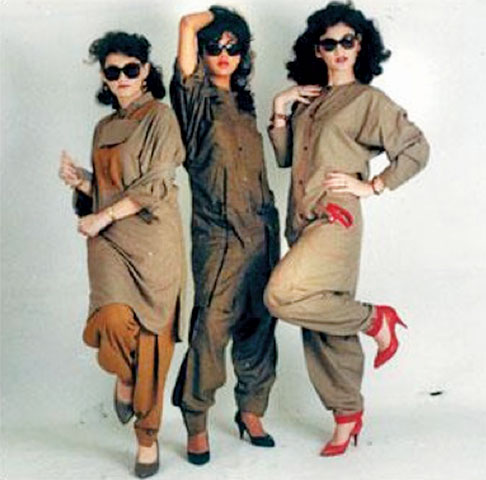
The political climate of the 1980s had a noticeable impact on fashion. During General Zia-ul-Haq’s government, Islamization policies encouraged more conservative styles of dressing. Clothing became looser, hemlines became longer, and dupattas became an essential part of women’s attire in many public settings. Even within these changing social norms, fashion remained an important form of cultural expression. Public figures such as Benazir Bhutto became style icons, popularizing elegant shalwar kameez paired with neatly draped dupattas. Traditional embroidery, handcrafted embellishments, and locally woven fabrics continued to thrive throughout the decade.
The 1990s: Modern Fashion Industry
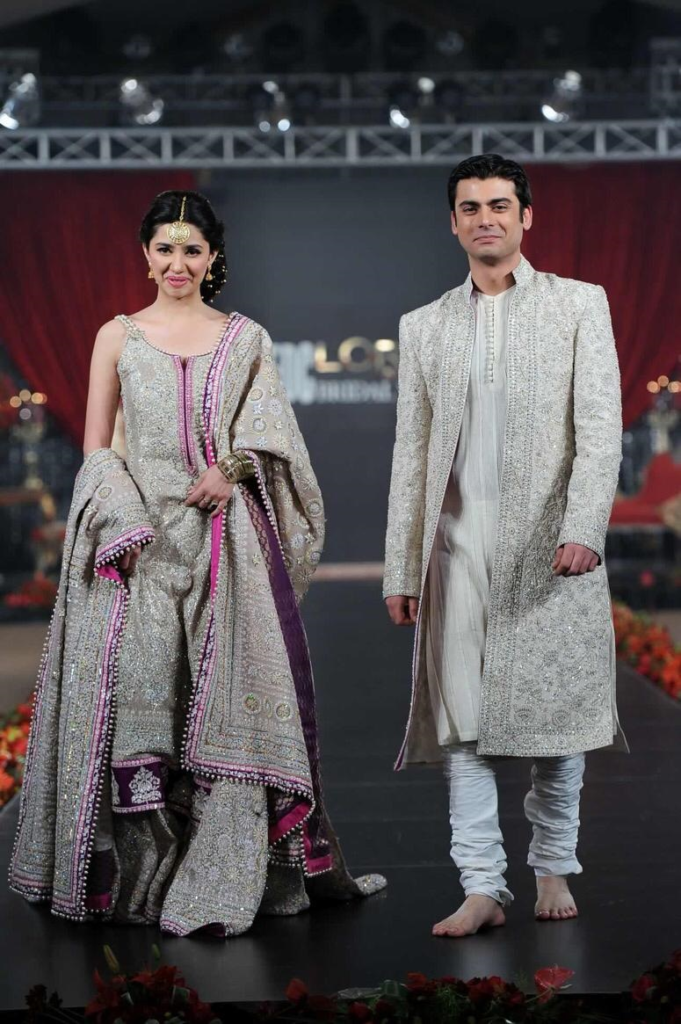
The 1990s marked a turning point for Pakistani fashion. What had largely been driven by local tailors and family traditions began transforming into an organized fashion industry. Designers such as Maheen Khan, Rizwan Beyg, and later HSY introduced couture collections that celebrated Pakistani craftsmanship while offering fresh, contemporary designs.
Fashion shows became more frequent, particularly in Karachi, helping local designers gain national recognition. Long kameezes, churidar pajamas, and heavily embroidered bridal wear became defining styles of the decade. More importantly, Pakistani fashion began establishing its own identity by showcasing local textiles and traditional craftsmanship instead of simply following regional trends.
The 2000s: Fashion Reaches the Mainstream
The early 2000s saw the fashion industry expand at an unprecedented pace. Fashion schools began producing professionally trained designers, while retail brands opened stores across major cities. Fashion weeks, exhibitions, and award ceremonies provided new platforms for emerging talent. One of the biggest developments during this period was the rise of ready-to-wear clothing. Designer fashion became more accessible to the growing middle class, while luxury lawn collections turned seasonal fabric launches into highly anticipated events. The combination of quality fabrics, creative prints, and designer collaborations helped transform lawn into one of Pakistan’s most successful fashion industries.
The 2010s to Today
Over the past decade, Pakistani fashion has earned recognition well beyond the country’s borders. Designers regularly showcase their collections internationally, while Pakistani celebrities and members of the diaspora have helped introduce local brands to wider audiences.
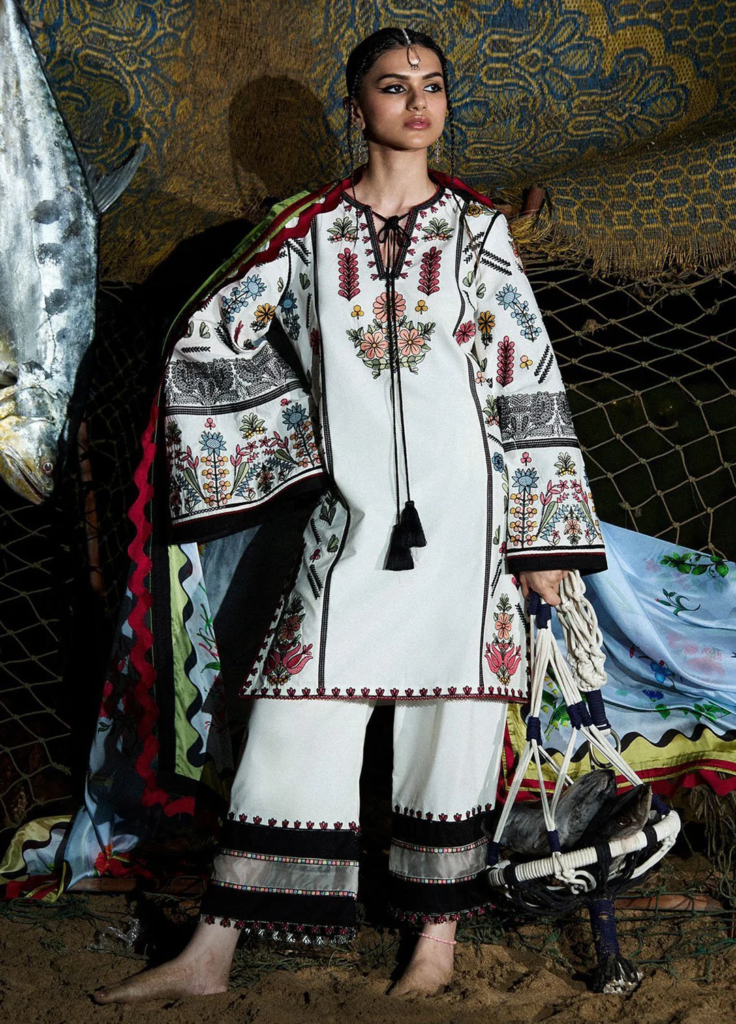
Today’s fashion industry is defined by versatility. Traditional crafts such as block printing, zardozi, mirror work, ajrak, gota, and hand embroidery continue to play an important role, but they are now combined with modern tailoring, contemporary silhouettes, and sustainable design practices. Social media has also transformed the industry, allowing designers to connect directly with customers across the world.
Perhaps the most remarkable aspect of modern Pakistani fashion is its ability to balance heritage with innovation. Whether through luxury bridal wear, everyday prêt collections, modest fashion, or contemporary streetwear, designers continue to celebrate the country’s rich textile traditions while adapting to changing consumer preferences.
Fashion Legacy That Continues to Evolve
The story of Pakistani fashion is one of resilience, creativity, and cultural pride. Every decade has introduced new ideas, yet traditional clothing and craftsmanship have remained at the heart of the country’s identity. Rather than replacing the past, each generation has found new ways to reinterpret it. Today, Pakistani fashion stands as a reflection of the country’s diverse heritage, skilled artisans, and evolving creativity. Its journey from locally crafted garments to internationally recognized design is a testament to the enduring value of tradition in a constantly changing world.