A major study of nearly 590,000 workers finds that remote work can increase isolation and worsen mental health, though the effect is far from universal.
Working from home has plenty going for it. No commute, more flexibility, better balance between work and life, and the freedom to skip the office on a rough morning. Yet a major new study suggests that all that time at home may carry a quieter cost, one that builds slowly and is easy to miss.
Research published in the journal Science on June 4, 2026, found that the rise of remote work has increased social isolation and worsened mental health for many workers, particularly those who live alone. The findings drew on five nationally representative surveys of American workers, covering more than 580,000 people between 2011 and 2024, according to the study led by researchers Natalia Emanuel, Emma Harrington and Amanda Pallais.
The scale of the shift gives the question real weight. Remote work has expanded sharply since the pandemic, and by 2025 nearly 40 per cent of full-time employees in the United States had an all-remote or hybrid schedule. While earlier research focused mostly on productivity and job satisfaction, this study turned its attention to something less measured: what remote work does to well-being over time.
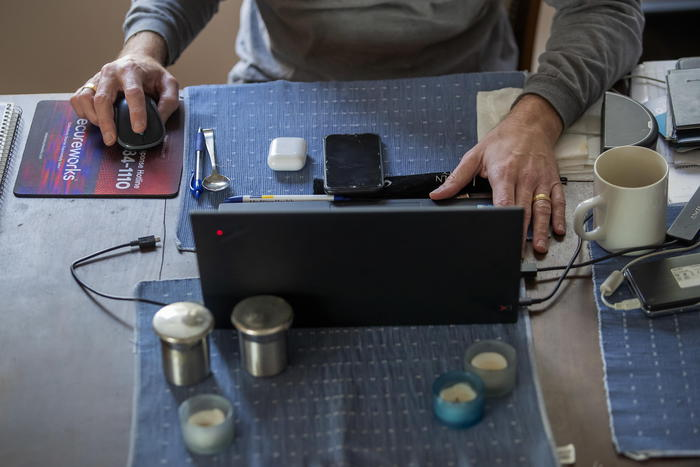
What the Remote Work and Mental Health Study Found
The researchers compared workers in jobs that became far more remote after the pandemic with those in roles that stayed mostly on-site. That comparison let them isolate the effect of remote work itself, rather than other changes happening across the economy.
The results were consistent. Remote work increased the time people spent alone, worsened mental well-being across several measures, and was associated with greater use of mental health services and prescriptions. On average, workers in remotable jobs spent roughly one additional hour alone each workday compared with those in non-remotable roles, and they tended to cut back on time with friends after hours rather than making that contact up elsewhere.
The study estimated that the rise of remote work explains about a third of the increase in isolation and mental distress between the 2011 to 2019 period and the 2022 to 2024 period. A separate 2026 analysis in the Journal of Affective Disorders, covering more than 87,000 respondents, found higher odds of loneliness among people working remotely three or more days a week, while one or two remote days showed no significant link.
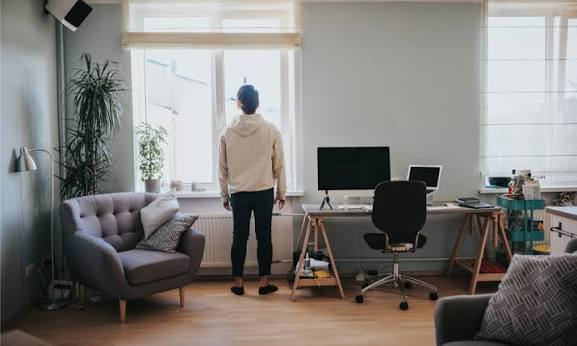
Why the Effect Is Strongest for People Living Alone
The headline finding comes with an important qualification, and it changes how the results should be read. The negative effects were concentrated among people who live alone.
For workers who lived with family or others, the study found the impact was either far smaller or not statistically significant. In other words, it was not remote work on its own that drove the harm, but the combination of working from home and living alone. Someone in a busy household rarely spends an entire day without human contact, whereas for a person living by themselves, remote work can remove the one reliable source of daily interaction they had.
That distinction matters because it points toward solutions rather than blanket conclusions. The study’s authors noted that many workers value remote work and expect it to improve their well-being, and that the costs to mental health may take time to accumulate and go unnoticed. Other experts have urged looking at the wider picture too, including how remote and hybrid arrangements help people with disabilities and those with caregiving responsibilities.
The practical takeaway is a gentle one. For people who work from home, especially those who live alone, building regular in-person connection into the week can matter a great deal, whether that means co-working spaces, scheduled time with friends, or simply getting out of the house during the day. The research does not argue against remote work. It argues for being aware of its quieter effects, and for tending to the social side of life that an office once provided by default.
If you or someone you know is struggling with isolation or low mood, speaking with a doctor or a trusted health professional is a good step, and support is available.