


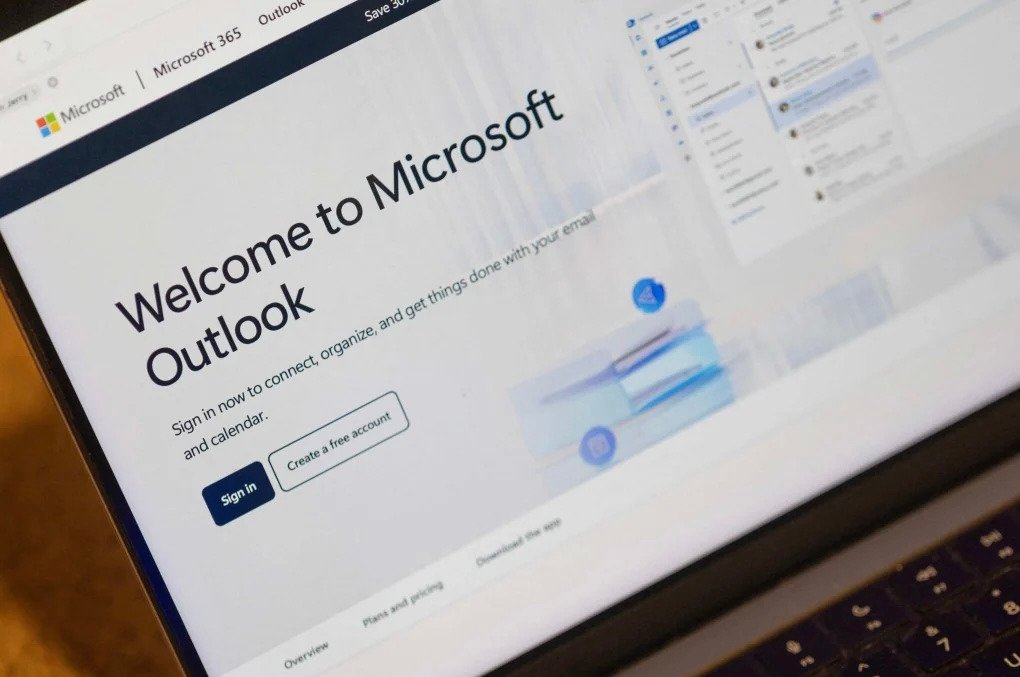
A major Microsoft outage disrupted businesses, government organisations and individual users across several countries on November 12 and 13, affecting access to widely used services, including Outlook, Microsoft Teams and other Microsoft 365 applications.
The disruption affected organisations that rely on Microsoft’s cloud-based services for daily communication, document management and business operations. Users reported difficulties accessing their accounts, sending and receiving emails and participating in online meetings.
The incident highlighted the dependence of businesses and public institutions on Microsoft’s digital infrastructure, with disruptions extending beyond individual users to organisations that use its services for essential operations.
The outage began on Thursday afternoon, with reports of connectivity problems increasing across Microsoft’s services. According to Downdetector, a platform that tracks user-reported service disruptions, reports of Outlook problems peaked at approximately 138,058 on Thursday. The platform recorded complaints from users in more than 70 countries, although these figures represent submitted reports rather than the total number of people affected.
The disruption primarily affected Exchange Online, Microsoft’s cloud-based email service that supports Outlook. However, the impact extended to several other Microsoft 365 applications and connected services.
Affected platforms included Outlook, Microsoft Teams, Microsoft 365 Copilot, SharePoint Online, OneDrive and Microsoft Defender XDR. Users reported problems accessing email accounts, loading inboxes, retrieving messages and using workplace communication tools.
The disruption also affected certain integrations used by other technology companies. OpenAI and Anthropic reported problems with services that connect their AI platforms to Microsoft’s workplace applications.
The outage affected organisations across different industries, including government departments, financial institutions, healthcare providers and airlines.
In Australia, government agencies, including the Australian Federal Police and the Australian Security Intelligence Organisation, experienced disruptions. Schools, courts and public-sector departments also reported difficulties accessing Microsoft services.
In Singapore, government services were among those affected, while healthcare providers in the United Kingdom reported communication problems. Some medical practices asked patients to use telephone services for urgent enquiries rather than relying on online communication channels.
The disruption also affected financial and commercial operations. European stock exchange operator Euronext reported email communication problems affecting its listing teams. Danish shipping company Maersk warned customers about delays to emails and updates.
In the United States, electric truck manufacturer Workhorse Group postponed its quarterly earnings call from November 12 to November 16 because of the disruption. Meanwhile, some financial institutions in Taiwan experienced difficulties with trading-related communications, with one company reportedly resorting to fax to confirm transactions.
Microsoft initially reported elevated infrastructure load across its systems, which contributed to connectivity problems. However, the company later identified that several servers had unexpectedly become unavailable, placing additional pressure on the remaining infrastructure.
In subsequent updates, Microsoft said a core process running on affected servers was becoming overwhelmed, causing the servers to stop responding and reducing available capacity.
The company worked to restore affected servers, redirect traffic through alternative routes and introduce software fixes to improve infrastructure stability. Microsoft also acknowledged difficulties with some of its initial recovery measures, as certain servers became unresponsive again when traffic returned.
Microsoft said it had found no evidence of malicious activity or a cyberattack linked to the incident. However, the company had not provided a definitive explanation of the underlying technical cause in its latest updates.
On Friday, November 13, Microsoft reported improvements in service availability across several regions, including North America, Europe and Asia-Pacific.
The company said email queues had decreased and were approaching normal levels. It also prioritised delivering emails that had been delayed during the disruption. However, Microsoft warned that some customers could continue experiencing intermittent access problems and delayed email delivery while recovery efforts continued.
The company did not announce a definitive timeline for restoring all affected services.
The incident has renewed attention on the reliance of businesses and government organisations on cloud-based technology providers. Microsoft’s services support communication, document management and other workplace operations across multiple industries, meaning infrastructure disruptions can affect organisations far beyond the technology sector.
The outage also follows other major disruptions involving cloud and software providers in recent years, including the October 2025 Microsoft Azure outage and the July 2024 CrowdStrike incident.