


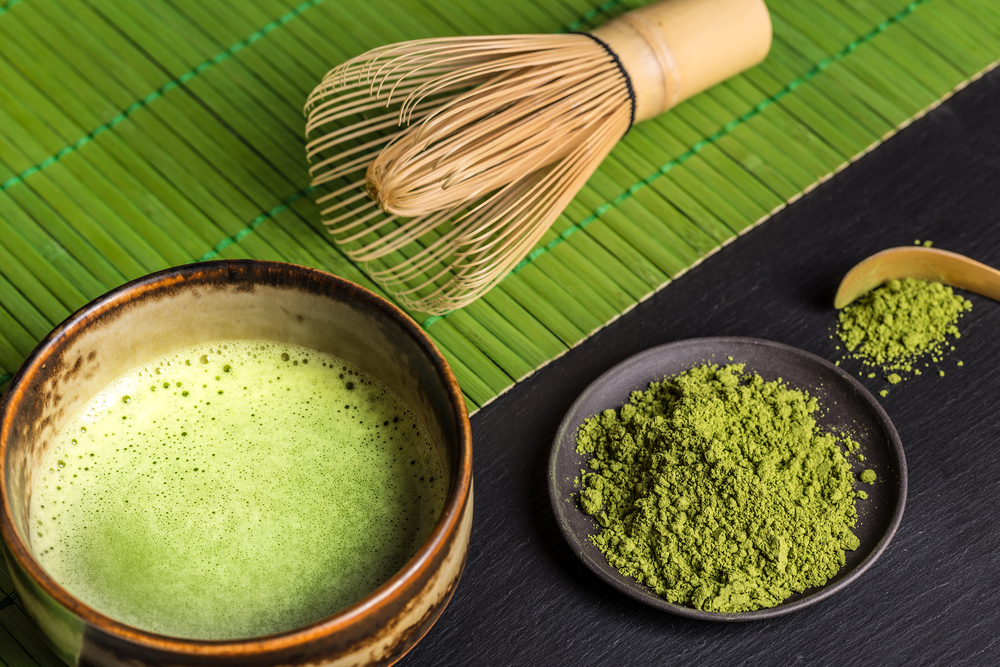
Matcha has become the wellness world’s favorite drink, but the research tells a more measured story.
Matcha has taken over cafes, supermarket shelves, and social media feeds, marketed as a superfood that sharpens the mind, burns fat, and fights disease. The bright green powder, made from finely ground green tea leaves, does have real science behind some of its claims. Other claims run further ahead of the evidence. Here is what research actually shows about matcha and your health.
Matcha comes from the same plant as regular green tea, Camellia sinensis, but it is grown and prepared differently. The plants are shaded before harvest, which increases certain compounds, and the leaves are ground into a fine powder. Instead of steeping leaves and discarding them, you consume the whole leaf dissolved in water.
That whole-leaf method is the source of matcha’s main advantage. A typical serving of about 2 grams contains a higher concentration of antioxidants than a standard cup of steeped green tea, along with roughly 60 to 80 milligrams of caffeine, about two-thirds the caffeine in a cup of coffee. It also delivers around 30 milligrams of L-theanine, an amino acid found almost exclusively in tea.
What the science says about matcha’s health benefits
- Calm focus without the coffee jitters
- Heart health through lower blood pressure and cholesterol
- Antioxidant boost from whole-leaf catechins
- Anti-inflammatory polyphenols
- Anti-aging support against oxidative stress
- Metabolism lift during exercise
The most consistent evidence supports matcha’s effect on focus and calm. Studies have found that the combination of caffeine and L-theanine produces reliable improvements in sustained attention and alertness, with fewer of the jittery effects caffeine causes on its own. Researchers often describe the result as calm alertness rather than a caffeine spike. A 2022 systematic review supported this pairing as one of matcha’s better-documented benefits.
Matcha is also rich in antioxidants called catechins, particularly one known as EGCG. According to Harvard Health, a meta-analysis in the European Journal of Nutrition found that catechins in green tea help lower blood pressure and LDL, or bad, cholesterol. Rutin, a compound in matcha, contributes to those effects, and its polyphenols carry anti-inflammatory properties. This points to a credible cardiovascular benefit built over long-term, regular consumption.
Where the science weakens is around the bigger marketing claims. Evidence for dramatic weight loss is modest, tied mostly to a small boost in fat oxidation during exercise rather than significant calorie burning. Claims about cancer prevention rest largely on test-tube and animal studies, which do not reliably translate to humans. A peer-reviewed review in Current Research in Food Science noted that theanine showed only moderate effects on cancer cells in laboratory and animal research, not proof of protection in people. Much of the research also uses isolated compounds rather than whole matcha powder, so the findings are approximate when applied to a daily latte.
How to enjoy matcha as part of a healthy routine
For most people, matcha is a safe and reasonable daily habit. Harvard Health advises watching intake later in the day, since the caffeine can interfere with sleep. Those sensitive to caffeine, pregnant, or managing a health condition should moderate accordingly.
Quality varies widely. Studies comparing matcha sold in Japan with international samples found that many overseas products had lower levels of theanine or a less favorable balance of key compounds, meaning not all matcha delivers the same profile. Higher-grade matcha is more likely to provide the balanced composition people associate with calm, focused energy.
There is also a limit to how much matcha should be treated as medicine. The realistic picture from current research is a chlorophyll-rich tea with a genuine profile: meaningful L-theanine for focus, a credible long-term cardiovascular benefit, and a strong safety record. It is not a cure or a shortcut, and the antioxidant content alone will not offset an otherwise unhealthy diet.
The bottom line is that matcha earns its place as a healthy drink for its calm-focus effect and heart-related benefits, both supported by consistent research. The claims that outpace the evidence, rapid weight loss and cancer prevention, are the ones to treat with caution. Enjoyed as a steady habit rather than a miracle fix, matcha holds up well to scientific scrutiny.
Follow us for more updates and news!