

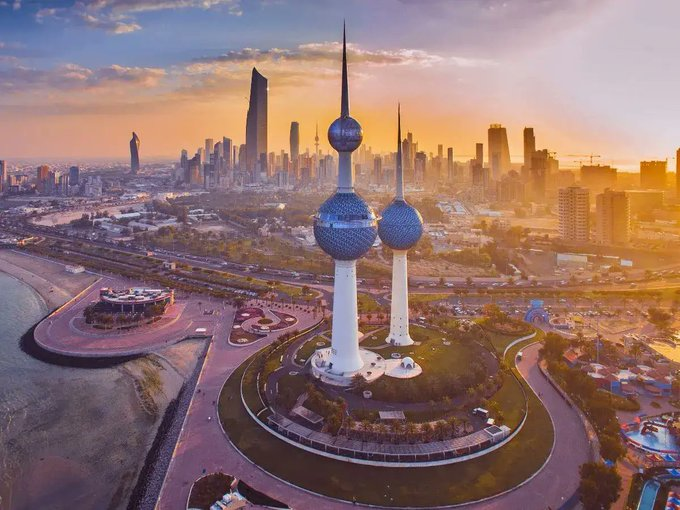
Kuwait now allows domestic worker recruitment from only 10 countries and has banned 27 others under new labour rules.
Kuwait has tightened the way families hire domestic workers. The Ministry of Interior issued a new circular that limits recruitment to 10 approved countries and bans recruitment from 27 others. The change is already in effect and applies to maids, nannies, cooks, and drivers brought in from abroad.
According to Gulf News, the decision came after observations and recommendations from several government bodies, including the Ministry of Foreign Affairs, the Ministry of Health, and the Public Authority for Manpower. The rules are part of a wider push to regulate the domestic labour sector and strengthen oversight.
For thousands of households in Kuwait, the circular changes who they can hire and where that worker can come from. For workers in the banned countries, it closes off one of the Gulf’s biggest job markets.
Under the new circular, domestic workers can be recruited from South Africa, Benin, Eritrea, Ethiopia, the Philippines, Sri Lanka, India, Vietnam, and Nepal. Senegal is also on the list, but recruitment from there is limited to male workers only. That brings the approved total to 10 countries.
For some of these countries, both male and female workers are allowed. For others, the restrictions apply to female domestic workers while male recruitment stays open. The circular did not publish the full breakdown of which countries fall under which condition.
Recruitment procedures will be handled through service centers at the governorate level. The circular was sent to residency affairs departments and service centers, and it took effect shortly after the update. Officials said the governorate-based process is meant to organize applications and simplify the steps for employers.
The Philippines, Sri Lanka, India, and Nepal have long supplied large numbers of domestic workers to Kuwait, so keeping them on the approved list maintains major recruitment channels. Several African countries, including Ethiopia, Benin, and Eritrea, round out the current approved map for families.
Countries Banned From Kuwait Domestic Worker Recruitment
The circular also names 27 countries from which recruitment is now prohibited. Arab Times reported that the banned list is made up largely of African nations, including Kenya, Uganda, Nigeria, Rwanda, and the Democratic Republic of the Congo. Bhutan also appears on the list.
For some of these countries, the ban covers only female domestic workers, while male workers can still be recruited. The exact split between full bans and female-only bans was not detailed publicly.
The bans carry real weight for workers in those countries. Kuwait has been a common destination for domestic workers from parts of Africa, and the new rules cut off legal recruitment for many of them. Diplomatic factors played a role in the updated list. Some affected countries have official representation in Kuwait, while others do not have embassies there.
This is not the first time Kuwait has narrowed domestic worker recruitment. The country has used similar bans in past years, often tied to the absence of embassies or labour agreements that protect workers once they arrive.
Households planning to bring in a maid, nanny, cook, or driver will need to check the approved list before starting paperwork. Using a licensed recruitment office remains the safest route, since the rules can shift again without much notice.
Alongside the recruitment changes, Kuwait has also rolled out a digital service through the government “Sahel” app. Set up with the Public Authority for Manpower, the service lets citizens and residents issue and manage domestic worker and driver requests online. Officials described it as part of a wider effort to digitize government transactions and speed up recruitment steps.
The combined moves point to a clear direction. Kuwait wants strict control over who enters the domestic labour market and a faster, more trackable system for the families who hire. For now, the 10-country list sets the boundaries, and the 27-country ban reshapes the options for thousands of workers across Africa and South Asia.
Follow us for more updates and news!