


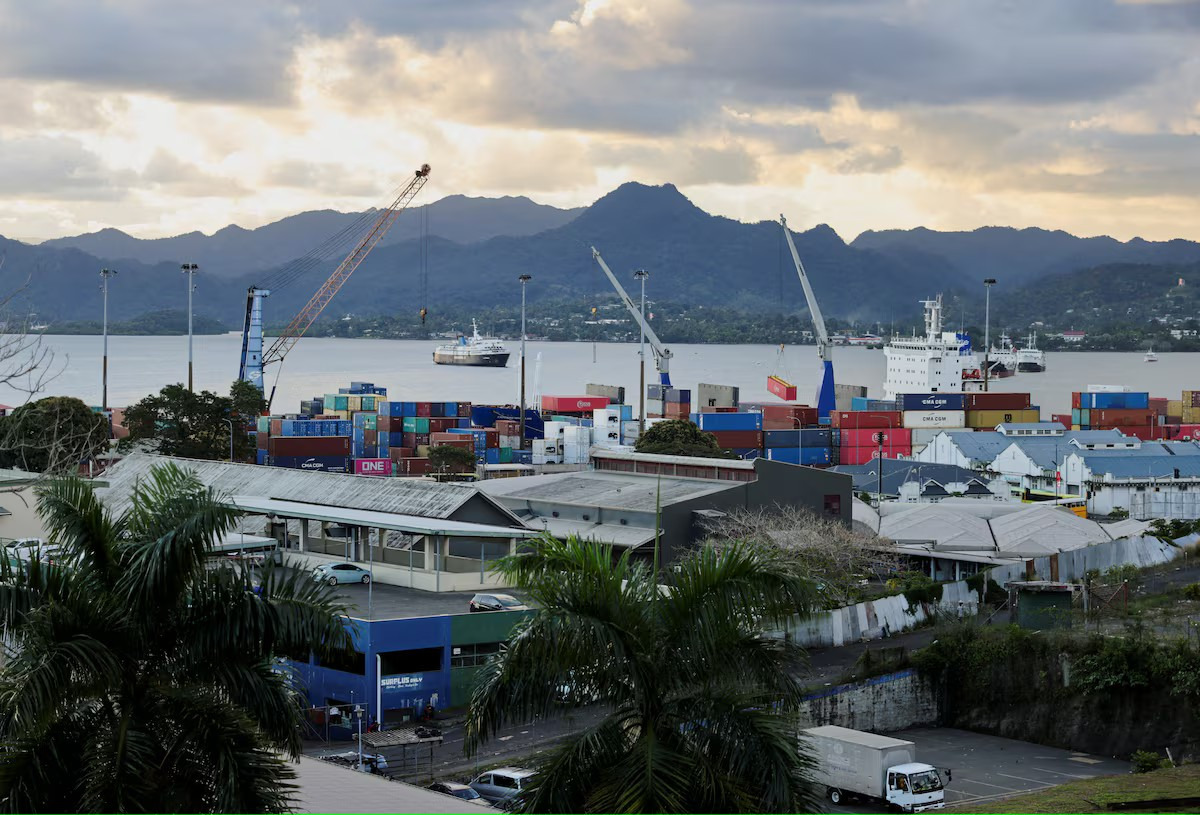
Fiji has declared a national HIV emergency and is expanding testing, treatment, and prevention services.
Fiji has declared a national HIV emergency after data showed that an estimated one in 60 adults in the South Pacific island nation is living with the virus. The government said it is expanding access to testing, treatment, and prevention services as it responds to a sharp rise in new infections.
Health Minister Ratu Atonio Lalabalavu formally announced the emergency this month, following Cabinet approval. He said the decision reflects the need for a coordinated national response after an earlier outbreak declaration was no longer considered sufficient to manage the scale of the problem.
The move elevates the response from the outbreak status first declared in early 2025 to a full national emergency. That designation requires government agencies to work together with the health ministry rather than treating the situation as a health issue alone.
Fiji HIV Cases Rise Sharply Over Recent Years
The figures show how quickly the situation has changed. According to the Joint United Nations Program on HIV and AIDS, new infections in Fiji have increased twelve-fold over the past 15 years. The estimated adult prevalence has risen from about one in 167 people five years ago to roughly one in 60 today.
The latest data indicated that around 9,000 people were living with HIV in 2025, in a country with a population of fewer than one million. Among pregnant women, an estimated one in 50 is living with the virus.
Officials also pointed to significant gaps in care. Only an estimated 39 percent of people living with HIV in Fiji knew their status, and just 22 percent were receiving antiretroviral treatment. That treatment gap is a central concern, because HIV is a manageable long-term condition when people receive effective therapy.
Government Expands Testing and Treatment Services
Lalabalavu said part of the reason more cases are being recorded is that expanded testing is reaching more people than before. As testing efforts widen, they identify individuals who were previously living with HIV but had not been formally diagnosed or counted.
The government said it is now scaling up testing, treatment, and prevention services as part of the emergency response. The aim is to close the gap between the number of people living with HIV and the far smaller number currently receiving treatment.
Health authorities have stressed the importance of confidential, stigma-free care so that people feel safe coming forward for testing and treatment. Ensuring that those most affected can access services without fear of discrimination has been described as essential to any effective response.
The declaration drew international attention. The crisis is a reminder to the world that AIDS is not over, UNAIDS Executive Director Winnie Byanyima said in a statement.
Lalabalavu framed the emergency as a turning point in how the country approaches the issue. He said HIV is now a national crisis and that the government intends to treat it as one, adding that more people in Fiji are living with HIV than ever before.
Stay tuned for more updates and news!


