


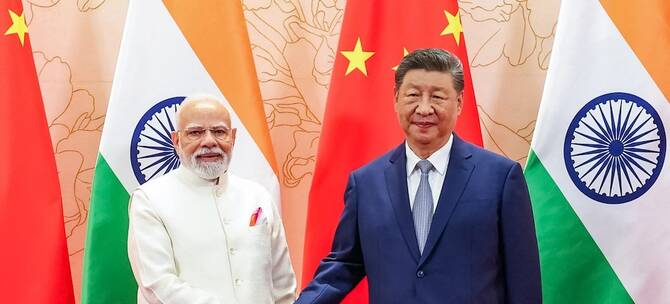
Chinese president expected to attend BRICS summit in New Delhi with large delegation
Chinese President Xi Jinping is likely to visit India next month to attend the BRICS summit in New Delhi, in what would be his first trip to the country in seven years and a further sign of a gradual thaw between the two Asian rivals.
According to Reuters, three sources said Xi is expected to attend the September 12 to 13 summit, which India is hosting, accompanied by a large delegation. His presence would be watched less for the BRICS agenda itself than for what it signals about efforts by Beijing and New Delhi to stabilize relations following deadly border clashes in 2020.
A large delegation signals warming India-China ties
Two of the sources said Xi was likely to be accompanied by a delegation of about 400 officials, compared with fewer than 200 the last time he traveled to India. One source with direct knowledge said Chinese officials were busy finalizing hotels and security arrangements ahead of the visit. Xi’s final travel plans and the agenda for any bilateral meeting with Indian Prime Minister Narendra Modi have yet to be confirmed. Officials from both countries are expected to use the summit to explore ways to expand engagement while managing long-standing differences over the border and regional security.
The Chinese foreign ministry said it attached great importance to BRICS cooperation and supported India, the current chair, in hosting a successful summit, but added that it had no information to provide about Xi’s visit. India’s foreign ministry did not comment. Xi missed the last BRICS summit, held in Brazil in 2025.
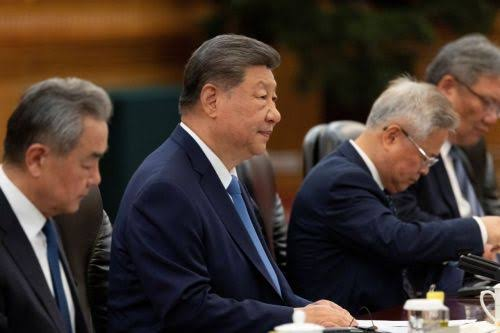
The visit would build on recent momentum in the relationship. Last year, Modi traveled to China for the first time in seven years to attend the Shanghai Cooperation Organisation summit in Tianjin, though ties have improved only gradually since. A fresh border-related dispute triggered sharp diplomatic exchanges between the two sides in recent weeks, a reminder of how fragile the recovery in relations remains even as both governments signal a willingness to engage.
Border tensions remain in the background
The world’s two most populous nations, both nuclear powers, share a roughly 3,800-kilometer, largely undemarcated and disputed border in the Himalayas. Decades of relative calm were shattered by clashes in 2020 that killed 20 Indian and four Chinese soldiers, leading to a four-year military standoff. The confrontation eased only with a disengagement pact reached in October 2024, which began to restore direct dialogue between the neighbors after one of the lowest points in their modern relationship.
Progress since then has been incremental but visible. The two sides have taken steps to smooth ties, including resuming trade through several Himalayan border passes, and have maintained a steady schedule of high-level diplomatic contact. Earlier this month, however, India said peace along the border remained critical to the relationship after reports that Indian and Chinese patrols came face to face near a remote frontier area in late July, underscoring how quickly friction can resurface.
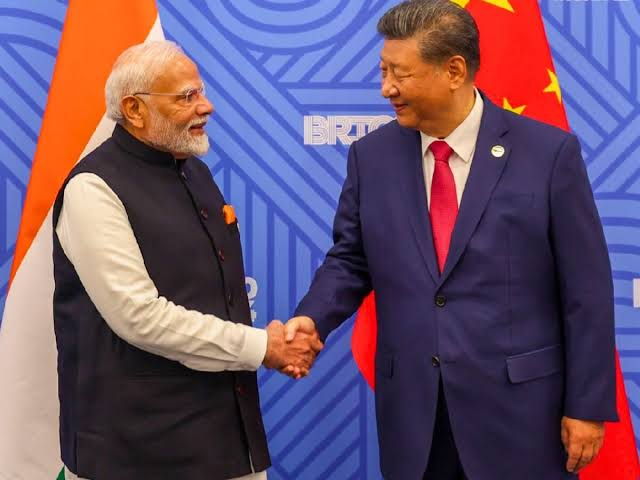
India’s National Security Advisor recently traveled to Beijing to meet Chinese Foreign Minister Wang Yi for talks on the boundary issue, part of the continued engagement that would culminate in a high-profile visit should Xi’s trip proceed as expected. The BRICS summit itself is set to gather leaders from the expanded bloc, with Russian President Vladimir Putin among those anticipated to attend, giving the New Delhi gathering added geopolitical weight.
For India, hosting Xi would mark a significant diplomatic moment, reciprocating Modi’s own visit to China last year and signaling that both capitals see value in managing their rivalry through dialogue. While the trip has not been officially confirmed by either government, the reported preparations suggest Beijing and New Delhi are preparing for one of the most closely watched engagements between the two powers since their relations fractured in 2020.


