

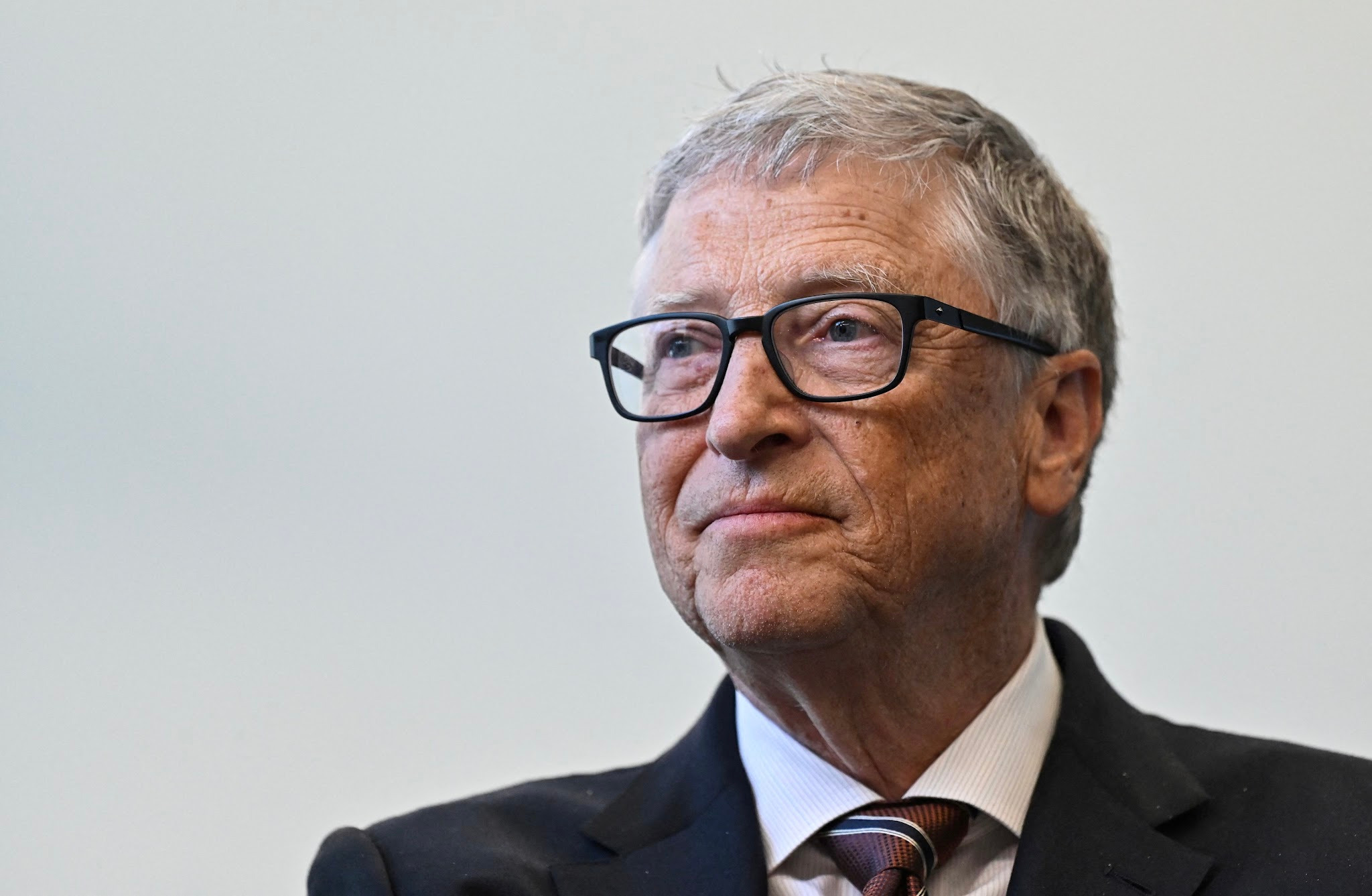
Microsoft co-founder Bill Gates has warned that artificial intelligence (AI) could significantly increase the threat of cyberattacks over the coming year, identifying the misuse of advanced AI systems as an immediate security concern.
In an interview with ABC News on October 11, 2026, Gates said cyberattacks were among the risks most likely to become more prominent in the near future. He argued that the immediate danger comes less from AI operating beyond human control and more from malicious individuals using powerful AI tools without adequate safeguards.
“The front that we’ll probably see most dramatically in the next year is cyberattacks,” Gates said during the interview.
Gates warned that advanced AI models could become more dangerous when used by individuals seeking to cause harm, particularly if protective restrictions are removed. He said the combination of powerful technology, malicious users and inadequate safeguards could lead to unexpected consequences.
AI systems can assist with tasks such as writing code, analysing information and automating digital processes. These capabilities can support legitimate business and research activities, but they can also be misused to assist cybercriminals.
Potential risks include attacks against computer networks, attempts to compromise sensitive information and disruptions to digital services. Financial institutions, businesses and government organisations rely on computer systems to store information and deliver essential services, making cybersecurity a significant concern as AI capabilities advance.
Gates also identified bioterrorism as an area of concern, warning that powerful AI systems could be misused for harmful purposes beyond cybercrime. However, his most immediate concern was the prospect of AI-assisted cyberattacks increasing over the next year.
He distinguished these risks from the possibility of AI becoming uncontrollable, saying that the latter was unlikely to have the same major impact in the immediate future.
The Microsoft co-founder questioned whether voluntary measures taken by technology companies were sufficient to protect society from the risks associated with increasingly capable AI systems.
Gates argued that companies should not be the only entities responsible for overseeing the technology. His comments highlighted the need for stronger safeguards and restrictions to prevent malicious users from exploiting advanced models.
His position reflects a broader debate about how governments and technology developers should manage AI-related risks while allowing beneficial applications to continue developing.
Safeguards can include restrictions on dangerous uses, security testing, monitoring systems for misuse and controls that limit access to sensitive capabilities. Their effectiveness depends on how they are designed, implemented and maintained.
The challenge is to ensure that AI systems remain useful for legitimate purposes without making it easier for malicious actors to conduct harmful activities.
Gates’ warning followed comments from Microsoft CEO Satya Nadella, who called for AI developers to build stronger safety and containment measures into their systems.
According to The Independent, Nadella urged developers to assume that AI models could be compromised and emphasised the importance of systems whose behaviour can be observed, tested and controlled.
Nadella also discussed the concept of an emergency mechanism that could allow authorised people to pause or shut down an AI model when necessary.
These proposals reflect concerns about maintaining human oversight as AI systems become more capable and are integrated into important digital infrastructure.
Gates’ warning adds to ongoing discussions about the security implications of rapid AI development. As organisations adopt AI tools, they must consider both the benefits of automation and the risks of misuse.
Cybersecurity measures such as access controls, software updates, employee training, threat monitoring and incident-response planning remain important for protecting digital systems. Organisations must also assess how the use of AI changes their existing security risks.
Gates’ comments do not establish that a major AI-driven cyberattack is inevitable. Rather, they highlight the possibility that increasingly capable AI tools could make cyberattacks more sophisticated and create additional challenges for security teams.
His central concern is that the misuse of advanced AI may develop faster than the safeguards needed to prevent it. The warning places renewed emphasis on cooperation among technology companies, governments and cybersecurity professionals as AI capabilities continue to advance.