
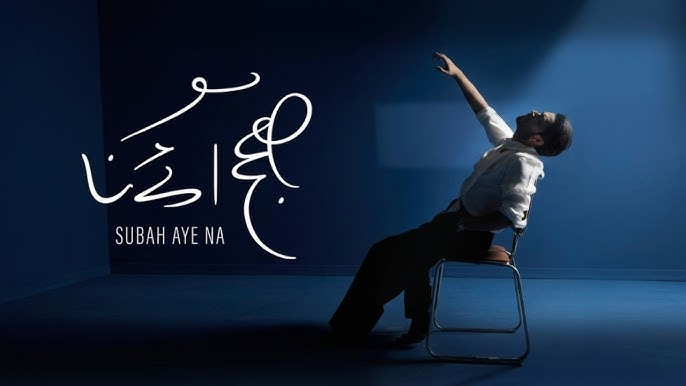
Subah Aye Na arrives on July 31, 2026, and Atif says he had to go back to zero to make it.
If you grew up anywhere in Pakistan in the 2000s, you can probably still sing Aadat from memory. You know exactly where Tere Bin sits in your playlist. And you have almost certainly wondered, somewhere along the way, why the man behind those songs stopped making albums.
Eighteen years is a long time to wait. Atif Aslam released Meri Kahani in 2008 and then simply never made another full-length record. He never went anywhere, which is the strange part. He toured constantly, sang playback for films across Pakistan and India, showed up on Coke Studio, and released single after single. The career never paused. Only the albums did.
That ended on July 31, 2026, with Subah Aye Na, his fourth studio album and his first since 2008. He announced it in the most Atif way possible, live on stage at London’s O2 Arena on June 15, then dropped the cover and full tracklist on Instagram on July 20. Eight songs. All original. And by his own account, all of them written for himself rather than for anyone’s expectations.
Why Atif Aslam Went Back to Zero
Speaking on The Kris Fade Show, Atif explained the gap in terms that will sound familiar to anyone who has ever been very good at their job for a very long time. The relentless cycle of touring, commercial projects, and chart-chasing singles had quietly pulled him away from why he started making music at all. His fix was to go, in his words, back to zero.
He has described the album as freeing himself from the chaos and meeting his real self, and in interviews before release he framed it as a personal project about rediscovering his artistic identity after years of touring and commercial work. The album is self-composed, which matters here. This is not a producer-assembled comeback record. It is the sound of an artist deliberately stripping everything back.
The title carries its own weight. Subah Aye Na translates roughly to the morning that never came, which for fans who have been waiting since 2008 lands somewhere between poetic and pointed.
Every Song on Subah Aye Na
Here is the full eight-track lineup, in order.
1. Subah Aye Na. The title track, and the emotional anchor of the record. Everything Atif has said about the album, the chaos, the reset, the search for his real self, points back to this one.
2. Safar Mein Hoon. A journey song by name, which fits an album built entirely around the idea of getting somewhere and finding yourself along the way.
3. Ishq. Single word, no decoration. Atif has built two decades of his career on exactly this kind of directness.
4. Let’s Have Some Fun. The outlier, and the most interesting entry on the list. It is the only English title on the record, and its presence signals that this album is not eight songs of introspection back to back.
5. Sunn Sajna. Classic Atif territory, the tender register that made Kuch Is Tarah and Kinara household songs.
6. Hoon Ishq Mein. The second track on the album to put ishq in the title, which tells you where his head has been.
7. Chaar Yaar. A song about friendship rather than romance, which is rarer in his catalog than you might expect.
8. Sachey Wadey. Promises kept, closing out a record that is itself a promise he took eighteen years to deliver on.
The range in those titles alone is the story. You go from the introspection of the title track to something called Let’s Have Some Fun, which suggests a record that moves across real emotional ground rather than settling into one mood for eight songs.
Where This Sits in His Catalog
To place it properly, Jal Pari in 2004 made him a star overnight with Aadat, Bheegi Yaadein, and Woh Lamhe. Doorie followed in 2006 with Kuch Is Tarah and Maahi Ve. Meri Kahani closed the run in 2008 with Tere Bin, Kaun Tha, and Kinara, songs that have not left rotation since.
In the years between, he stayed everywhere without releasing an album. Most recently he featured on Tu Hi Mera Raazdaan with British-Azerbaijani musician Sami Yusuf, recorded live at Abu Dhabi’s Etihad Arena, pairing his vocals with Yusuf’s orchestral arrangements.
Eighteen years after the last one, Subah Aye Na is out on all major streaming platforms. The morning finally came.
Follow us for more updates and news!