

New figures show industry now makes up about 13% of the Gulf’s economy and employs more than 1.7 million people.
Industrial investment across the six Gulf Cooperation Council countries has reached about $426 billion, spread across nearly 22,000 factories, according to new data from the GCC Statistical Center (GCC-Stat).
The figures, based on the latest data available as of July 2026, show that the region’s industrial sector now employs more than 1.7 million people.
Manufacturing accounted for about 13% of the GCC’s combined gross domestic product in 2025, reflecting the region’s push to build industries beyond oil and gas production.
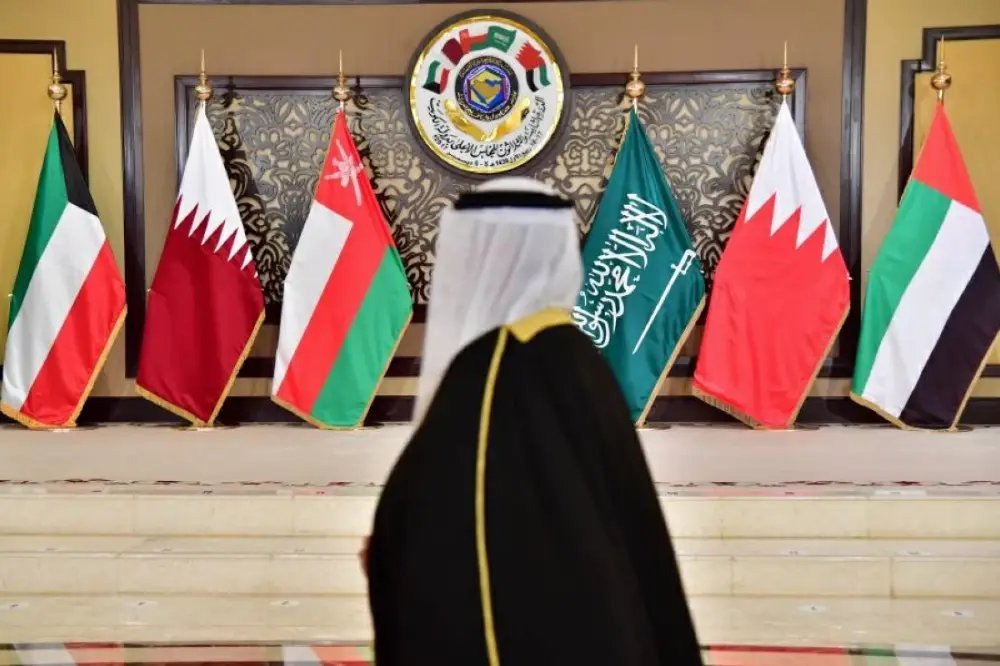
The GCC is made up of the UAE, Saudi Arabia, Qatar, Kuwait, Oman and Bahrain. GCC-Stat said investment levels and factory numbers vary among member states, but it did not publish a country-by-country breakdown or comparisons with previous years. GCC-Stat, which is based in Muscat, Oman, compiles official statistics for all six member states.
Where GCC Industrial Investment Is Concentrated
Around 40% of the region’s industrial investment is concentrated in five areas: plastics, refined petroleum products, aluminum, gaseous fuels, and iron and steel.
Industrial products make up about 69% of the GCC’s total exports. The leading export categories include petroleum gases and other hydrocarbons, petroleum oils, motor vehicles, organic chemicals, aluminum, ships and boats, and electrical machinery and equipment.
On the import side, China is the region’s largest trading source, supplying about 20% of the GCC’s total imports. The main imported goods include machinery and equipment, motor vehicles, pharmaceutical products, iron and steel, and plastics.
The data comes as Gulf countries work to expand local manufacturing and strengthen industrial ties within the region, as part of wider plans to diversify their economies.
UAE and Saudi Arabia Push to Grow Local Industry
Several GCC countries have set long-term targets for their industrial sectors.
In the UAE, Operation 300bn was launched in 2021 with the aim of raising the industrial sector’s contribution to GDP from AED 133 billion to AED 300 billion by 2031. The sector’s contribution has grown by nearly 70% since the strategy began, and the UAE’s industrial exports reached a record of more than AED 262 billion in 2025, Khaleej Times reported.
The UAE’s Make it in the Emirates initiative has also focused on creating industrial jobs for citizens. More than 5,200 jobs have been created for UAE nationals in the sector in under three years, according to the Ministry of Industry and Advanced Technology.
Saudi Arabia, the largest economy in the GCC, launched its National Industrial Strategy in 2022. The kingdom aims to reach 36,000 factories by 2035, with local industrial output expected to reach SAR 1.4 trillion, according to Khalil bin Salamah, Saudi Arabia’s Deputy Minister of Industry and Mineral Resources for Industrial Affairs.
The kingdom’s factory base has been growing steadily. Saudi Arabia had 13,660 industrial establishments at the end of April 2026, up from 12,289 a year earlier, according to the Ministry of Industry and Mineral Resources. These include factories that are operating as well as those licensed and under construction.
In May alone, the ministry issued 268 new industrial licenses linked to investments of more than SAR 2.23 billion, while 149 factories began production, with investments of SAR 1.43 billion and an estimated 2,410 jobs.
Aluminum is one of the clearest examples of the Gulf’s industrial base. The UAE’s Emirates Global Aluminium operates smelters in Abu Dhabi and Dubai, and aluminum is among the region’s leading industrial exports in the GCC-Stat data.