


Apple is known for products that have transformed technology, from the Macintosh and iPhone to the iPad and Apple Watch. However, the company has also released products that failed to gain commercial traction, were discontinued, or never reached consumers at all. Some of these products were ahead of their time, while others were affected by high prices, technical problems or strong competition.
Apple III
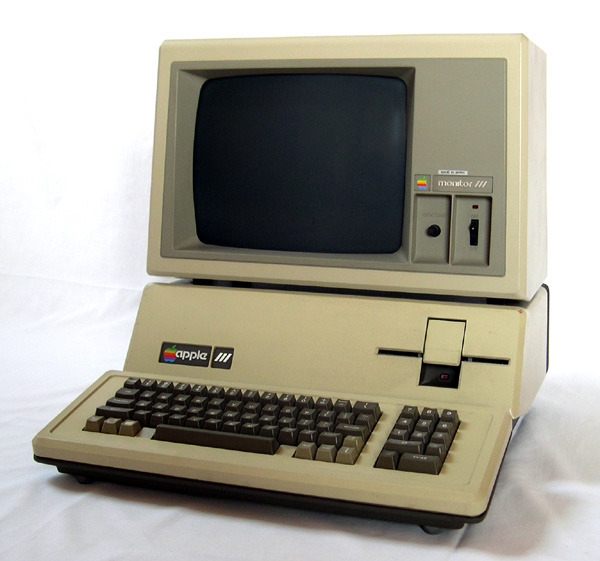
Launched in 1980, the Apple III was designed as a more powerful business computer and a successor to the Apple II. However, early units experienced hardware problems, including overheating issues that could cause components to malfunction. Apple made several revisions to the computer, but it failed to achieve the commercial success of its predecessor. The Apple III was eventually discontinued in 1984.
Lisa
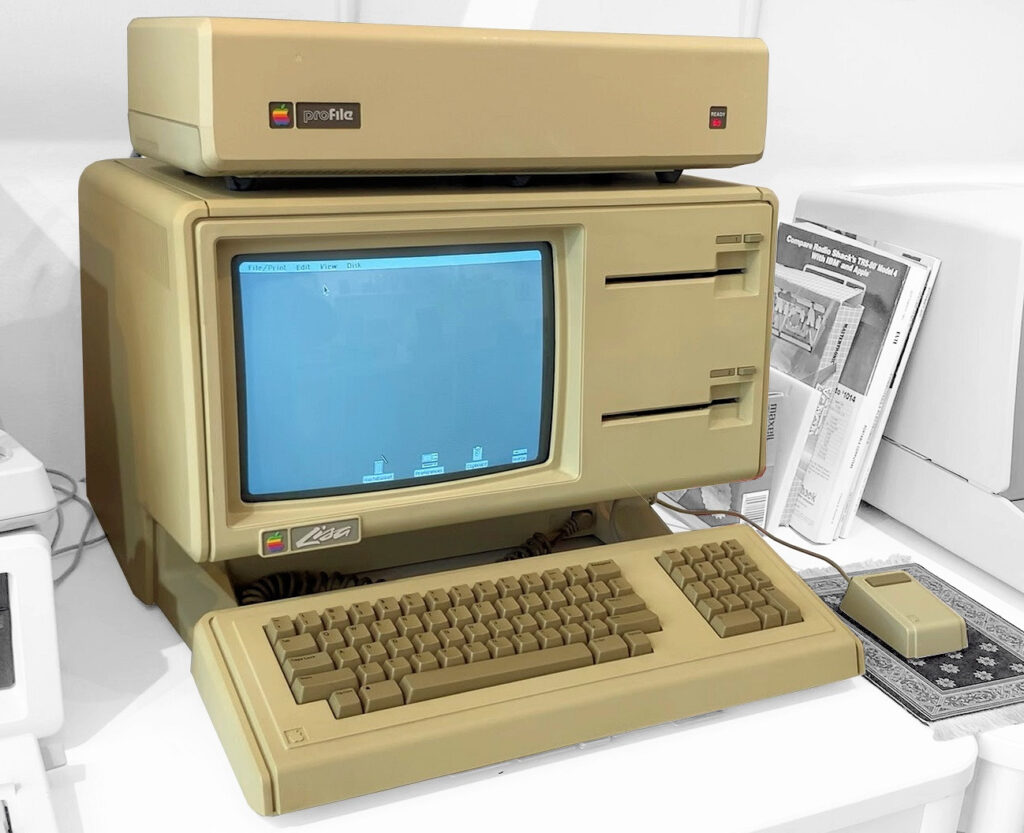
Apple introduced the Lisa in 1983. It was one of the company’s most technologically ambitious computers, featuring a graphical user interface, a mouse and a design intended to make computing easier for users. However, its high price limited its appeal. The Lisa originally cost almost $10,000, making it considerably more expensive than many competing personal computers. Apple discontinued the Lisa line in 1986.
Apple Newton
The Newton MessagePad, introduced in 1993, was Apple’s attempt to create a handheld personal digital assistant. It allowed users to take notes, manage calendars and contacts, and use handwriting recognition. The Newton became known for its ambitious technology, but early handwriting-recognition performance attracted criticism. Apple eventually discontinued the Newton platform in 1998 after Steve Jobs returned to the company.
Apple Pippin
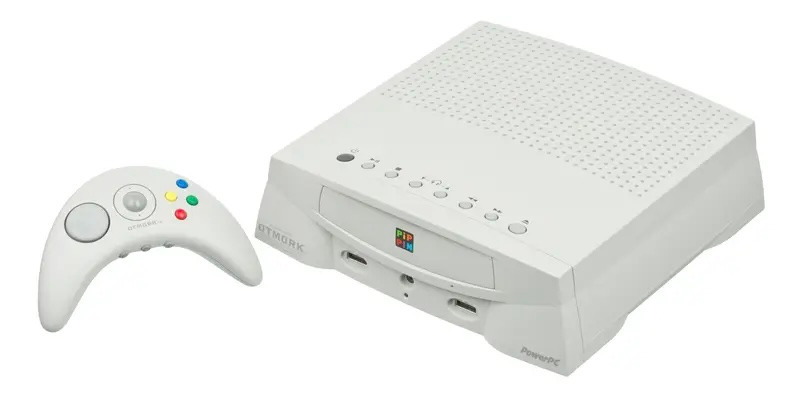
Apple also experimented with gaming through the Pippin platform in the 1990s. Rather than producing the hardware entirely itself, Apple licensed the technology to companies including Bandai. The Bandai Pippin was released in 1995 in Japan and in 1996 in the United States. It competed with established gaming systems but failed to attract a large market. Bandai stopped production of the Pippin in 1997, and Apple ended the licensing program.
MobileMe
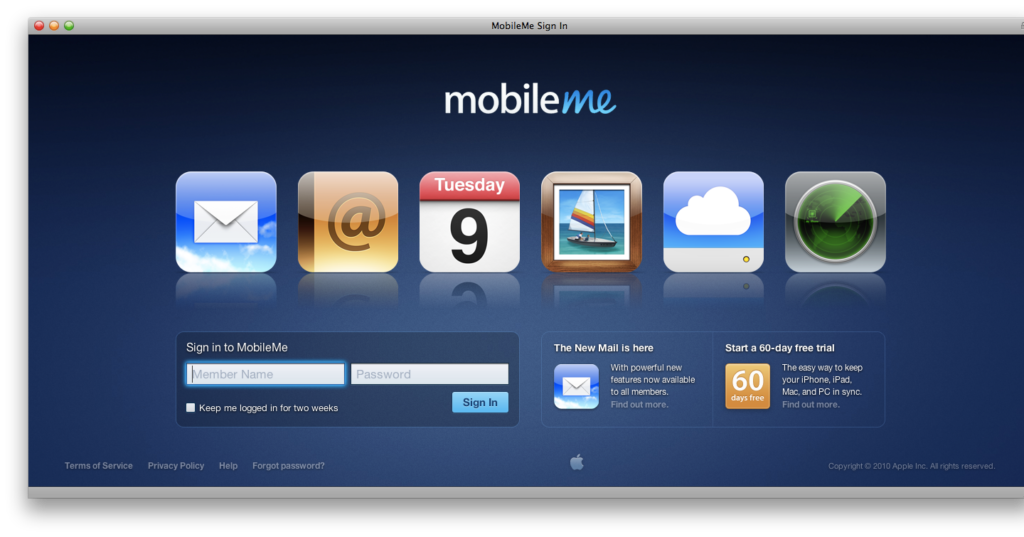
Not every Apple failure involved physical hardware. MobileMe was Apple’s subscription-based collection of online services, introduced in 2008. It provided services such as email, contacts, calendars and online storage. Its launch was affected by significant technical problems and service outages. Apple later replaced MobileMe with iCloud in 2011.
AirPower
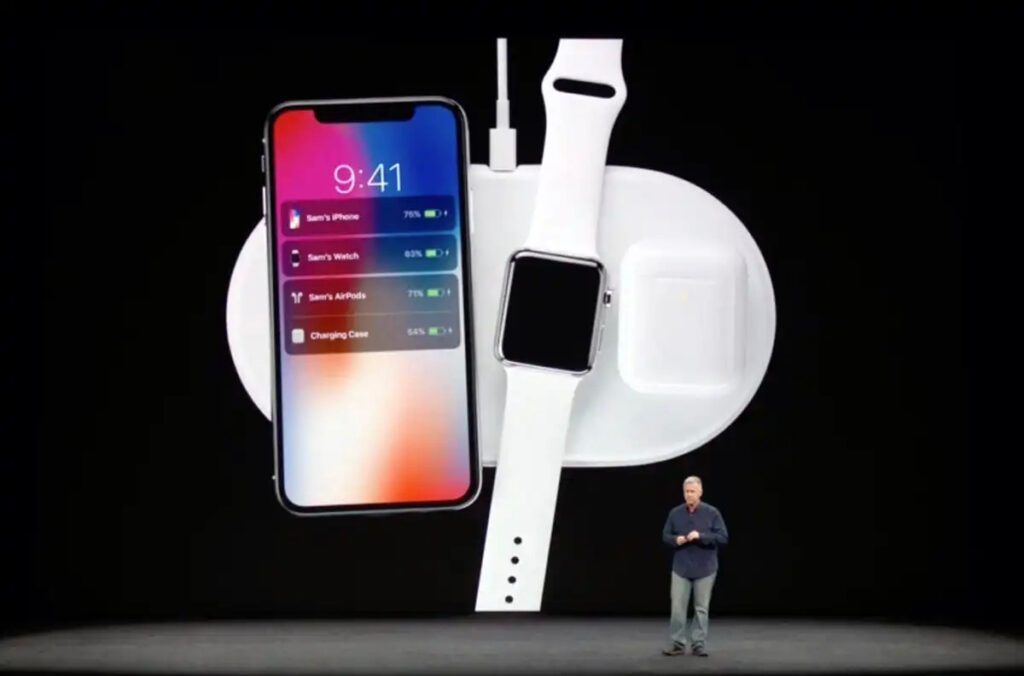
AirPower is an example of an Apple product that never officially launched. Apple announced the wireless charging mat in 2017, promising the ability to charge multiple Apple devices simultaneously. However, Apple ultimately cancelled the project in March 2019 after being unable to meet its own standards for the product. Unlike most failed products, AirPower never reached consumers as a finished Apple product.
Original HomePod
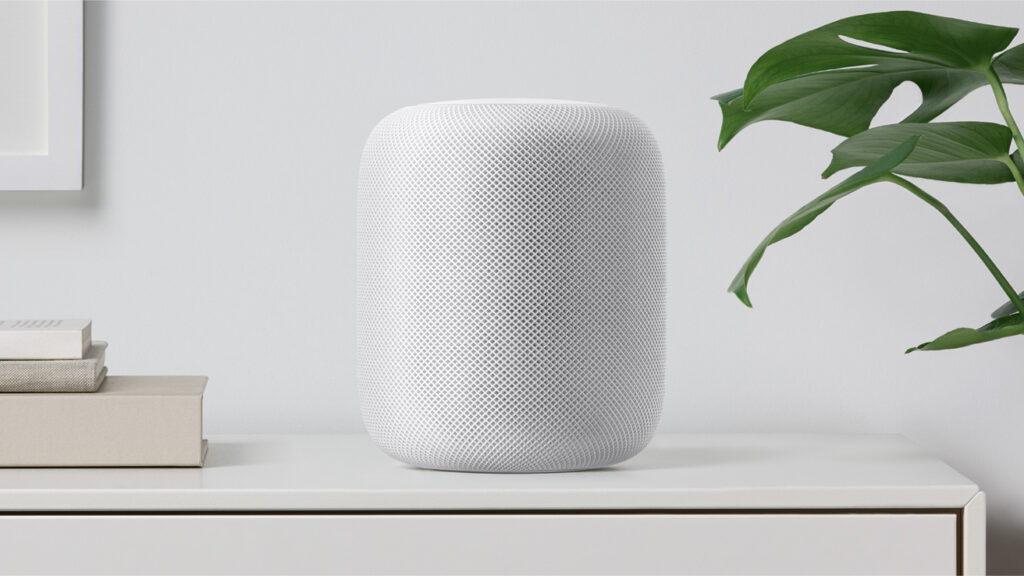
Apple entered the smart-speaker market with the HomePod in 2018. The speaker focused heavily on audio quality and integration with Apple’s ecosystem. However, Apple discontinued the first-generation HomePod in March 2021 and shifted attention toward the smaller and less expensive HomePod mini. Apple later returned to the full-size HomePod category, introducing the second-generation HomePod in 2023.
Apple’s history therefore includes several products that did not achieve the company’s intended results. The Apple III, Lisa, Newton, Pippin, MobileMe, AirPower and original HomePod all illustrate different kinds of failure, from technical problems and high prices to weak market adoption and cancelled development. Yet some of these products also introduced ideas that appeared in later Apple products. Apple’s unsuccessful launches remain an important part of the company’s history and demonstrate that even one of the world’s most successful technology companies has experienced products that did not work as planned.